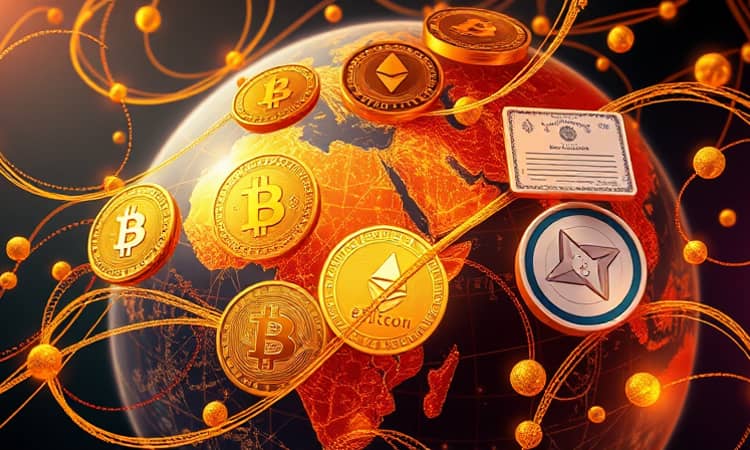
As the financial landscape evolves, new digital assets are no longer fringe experiments but integral threads in modern wealth management. From cryptocurrencies and tokenized securities to NFTs and loyalty points, these instruments invite investors to reimagine portfolio construction in an increasingly digital world.
In this article, we explore the definitions, benefits, adoption trends, infrastructure, and risks shaping the integration of digital assets into traditional wealth strategies.
Defining the New Digital Assets
To navigate this space, investors must understand the full scope of digital assets. At its core, a digital asset is anything stored electronically that carries monetary or sentimental value. Yet the evolution goes far beyond simple digital records.
- Cryptocurrencies: Bitcoin, Ethereum and altcoins serve as digital cash and store-of-value assets.
- Tokens: Utility tokens grant access to decentralized services; security tokens represent on-chain equity or debt; governance tokens power protocol voting.
- Stablecoins: Dollar-pegged tokens facilitate global payments, settlement, and trading.
- Tokenized Real-World Assets: Real estate, equities, bonds, private credit and commodities convert into fractional, tradable blockchain tokens.
- NFTs and Digital Collectibles: Art, music, in-game items and intellectual property rights gain verifiable scarcity and provenance.
- Other digital wealth: Domain names, social media handles, loyalty programs, cloud-stored creative works.
Collectively, these categories highlight a shift from speculative crypto to programmable ownership rights and fractionalized access to previously illiquid assets.
Why Digital Assets Matter in Modern Portfolios
Investors and institutions alike are embracing digital assets for several compelling reasons:
- Diversification and Low Correlation: Bitcoin and Ethereum may move independently of stocks and bonds, reducing overall portfolio volatility.
- 24/7 Liquidity and Global Access: Markets never close, enabling rapid cross-border transfers at any time.
- Fractional Ownership: Tokenized real estate or private credit opens opportunities once reserved for ultra-high-net-worth individuals.
- Programmability and Automation: Smart contracts streamline settlement, interest distribution, and governance functions.
- Novel Return Streams: Staking yields, DeFi liquidity pools, and revenue-sharing tokens generate alternative income sources.
According to industry reports, some UHNW portfolios allocate up to one-third of their assets to digital holdings, viewing them as measurable, meaningful pieces rather than speculative bets.
Market Size and Adoption Trends
The digital asset market has matured rapidly. Over the past five years, total crypto market capitalization surged from $156.9 billion to over $3.5 trillion—a growth of more than 2,131%. Meanwhile, stablecoins now boast a combined market cap of around $250 billion, processing $18 trillion in transaction volume in a single year, outstripping global card networks.
Institutional interest is rising sharply. A State Street study found the average institution holds 7% of AUM in digital assets, with target allocations expected to hit 16% within three years. By 2030, more than half of surveyed institutions anticipate 10–24% of assets in tokenized instruments.
Building Hybrid Portfolios Through Tokenization
Tokenization transforms traditional assets—cash, equities, bonds, real estate—into blockchain-based tokens. This shift brings multiple advantages:
- Increased Liquidity: Secondary trading platforms enable easy transfer of tokenized shares and property interests.
- Enhanced Efficiency: Smart-contract settlements reduce manual reconciliation and operational costs.
- Broader Access: Investors can buy or sell fractional stakes that were once out of reach.
- Unlocking Capital: Holding tokenized assets frees up funds for reinvestment without full divestment.
Firms like PwC highlight how asset and wealth managers modernize workflows by digitizing paper-intensive processes, driving both speed and transparency.
Navigating Risks, Regulation, and Tax
Despite the promise, integrating digital assets demands robust risk management. Volatility, cybersecurity threats, and counterparty risks can jeopardize portfolios if left unchecked.
Regulatory frameworks are evolving. Clear guidelines on custody, trading, tax treatment, and anti-money laundering measures serve as critical catalysts for further institutional adoption. Many institutional investors cite regulatory certainty as their primary barrier and future growth driver.
Tax and estate considerations also require careful planning. Digital assets may be subject to capital gains, gift, and estate taxes, and proper documentation is essential to preserve value across generations.
Looking Ahead: The Future of the Wealth Weave
As we look toward 2030, forecasts envision a thousand-fold expansion in tokenized public assets, transforming 0.01% of global equity and bond markets into rich, programmable ecosystems. Cross-border flows, decentralized finance protocols, and digital identity integration will further blur the lines between traditional and digital wealth.
Geographic adoption data reveals that regions such as India, the United States, and South Asia are leading the charge, underscoring the global nature of the digital revolution. Investors who embrace this trend can capture new return streams, diversify risk, and participate in a truly borderless financial environment.
Ultimately, the wealth weave is about integration—blending time-tested strategies with innovative digital threads to craft portfolios that are resilient, accessible, and future-ready. By understanding the definitions, harnessing the benefits, monitoring the data, leveraging tokenization, and managing risks, investors can position themselves at the forefront of a profound transformation in how value is created, stored, and exchanged.
In weaving together traditional and digital assets, advisors and investors alike can build portfolios that reflect the full spectrum of opportunity in the 21st-century financial landscape.