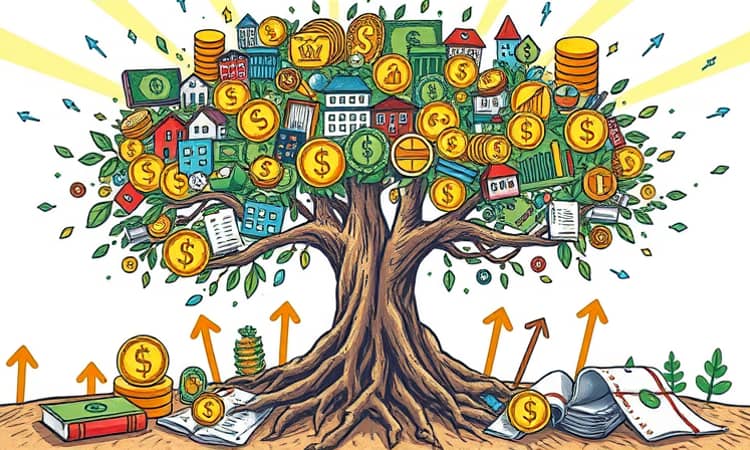
In an era marked by short-term speculation and rapid market swings, the journey toward lasting financial abundance requires patience, discipline, and a well-crafted roadmap. By focusing on long-term capital appreciation, investors can harness the forces of compounding, diversification, and prudent risk management. This article explores proven strategies—ranging from foundational savings habits to advanced tax-efficient tactics—that empower individuals and families to build enduring wealth across generations.
Whether you are just beginning your financial journey or seeking to refine an existing portfolio, these insights will inspire action and provide practical guidance. From debt elimination and emergency funds to real estate value-add plays and trust structures, each element contributes to a cohesive plan for multi-generational wealth preservation and transfer.
Building a Solid Financial Foundation
Every wealth-building journey begins with a strong base. Prioritizing high-interest debt paydown frees up cash flow and prevents interest charges from eroding returns. Consider each dollar spent on credit card interest as a missed opportunity for growth.
- Debt management: Tackle balances with the highest rates first, then snowball payments.
- Emergency fund: Save at least six months of living expenses in a liquid account.
- Consistent saving: Automate contributions of 10–15% of your income monthly.
By establishing an emergency cushion, you protect your investment strategy from unexpected events. Automated saving habits ensure that you benefit from the power of compound interest regardless of market timing.
Crafting a Diversified Investment Portfolio
Diversification spreads risk and captures growth across multiple asset classes. A classic 60/40 portfolio—60% equities, 40% bonds—has historically delivered approximately 9% annualized returns. However, customization based on individual risk tolerance and time horizon is essential.
Index funds and low-cost ETFs offer broad market exposure with minimal fees. Reinvesting dividends further accelerates compounding, driving exponential growth over decades. For those seeking additional yield, consider alternatives such as private equity or infrastructure.
- Stocks: Domestic and international equities for growth potential.
- Bonds: Government and corporate issues for income and stability.
- Alternatives: Real assets, private companies, and infrastructure projects.
This example illustrates the dramatic impact of consistent returns over time. By maintaining a diversified investment portfolio strategies, investors can smooth volatility and capture market upside.
Real Estate: A Cornerstone for Appreciation
Real estate offers a dual path to wealth through rental income and property value increases. Commercial and residential properties in growth markets provide stable cash flow, which can be reinvested to enhance total returns.
- Value-add: Renovate or reposition properties to boost net operating income.
- Core: Invest in low-risk, high-quality assets for steady performance.
- Opportunistic: Pursue development or turnaround projects with higher reward potential.
Utilizing 1031 exchanges allows investors to defer capital gains taxes when upgrading properties. For example, deferring a $2.4 million gain into a $4.5 million replacement asset can preserve capital and maintain income streams.
By offsetting mortgage expenses with rent, property owners achieve net appreciation and a reliable income foundation. Embracing strategic real estate value-add development can significantly accelerate overall portfolio growth.
Tax-Efficient Strategies to Maximize Growth
Taxes can erode returns if left unchecked. Holding assets for more than one year qualifies gains for lower long-term capital gains rates. Allocating assets within tax-advantaged accounts, such as IRAs and 401(k)s, ensures tax-deferred growth accounts and trusts maximize compounding potential.
More sophisticated tactics include tax-loss harvesting and long-short equity strategies. By realizing losses on underperforming positions, investors can offset gains elsewhere, effectively reducing overall tax liability. Establishing trusts early facilitates the transfer of wealth without unintended tax consequences.
Managing Risk and Planning for the Future
Successful investors focus on risk-adjusted returns—balancing potential gains against volatility. Building a bond ladder with staggered maturities provides predictable income, liquidity, and opportunities to reinvest at higher rates as bonds mature.
Concentrated positions, such as large stock grants or company ownership stakes, demand careful diversification. Utilizing tax strategies to gradually unwind positions reduces market exposure while preserving after-tax value. Incorporating estate planning with trust structures safeguards assets and clarifies succession for future generations.
Cultivating Multi-Generational Wealth
Long-term capital appreciation is not just about growing assets for the present—it is about laying the groundwork for descendants. Automating saving and investing habits, diversifying early, and leveraging real estate and equity markets establish a robust legacy.
High-net-worth families often engage professional oversight to coordinate investment management, tax mitigation, and estate administration. By combining these elements, they achieve multi-generational wealth preservation and transfer, ensuring each generation benefits from the cumulative efforts of the last.
Embrace these strategies with discipline and vision. The wealth you build today, guided by sound principles and persistent action, will ripple across decades, empowering not only your financial goals but the aspirations of those who follow in your footsteps.