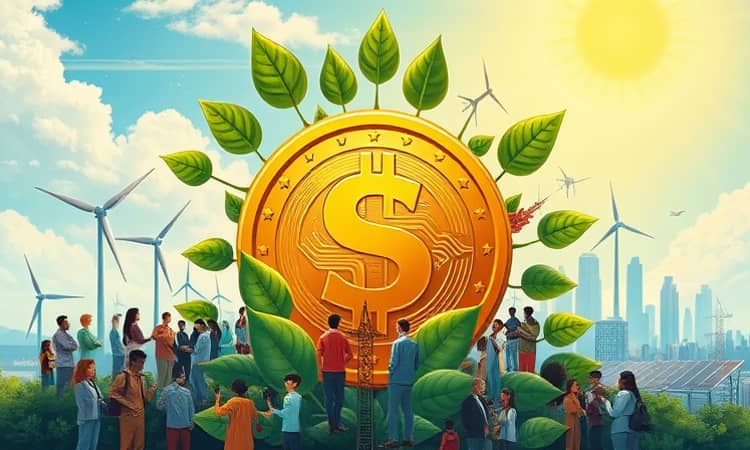
In an era of unprecedented climate challenges and social transformation, every dollar you invest can become a catalyst for change. The concept of responsible investing that delivers measurable outcomes has evolved from a niche aspiration into a core strategy for forward-looking portfolios in 2026. As investors seek returns without compromise, aligning capital with purpose offers both financial growth and positive global impact.
This article explores the defining trends, proven strategies, and practical steps to integrate environmental, social, and governance (ESG) principles into your investments. We delve into the top ten responsible-investment trends shaping 2026, present a comprehensive table of actionable strategies, and offer guidance on implementation, risk management, and evaluation. By the end, you will understand how to make your dollar count—for you, your heirs, and the planet.
Responsible Investing: A New Paradigm for 2026
Gone are the days when ESG meant only exclusion lists. Investors are shifting towards positive outcomes and impact focus, using capital to drive cleaner energy systems, equitable communities, and nature preservation. Studies show impact-aligned portfolios generating higher risk-adjusted returns and lower volatility, proving that performance and purpose can coexist.
With North American markets normalizing after 2025’s turbulence, the appetite for meaningful, measurable impact is stronger than ever. From institutional eyes to individual retirement accounts, the pressure to demonstrate both returns and real-world benefits is reshaping asset allocation decisions across the United States and Canada.
Top 10 Trends Shaping Responsible Investing
1. Shift to Positive Outcomes and Impact Focus
Investors are moving beyond negative screening to funding solutions that create long-term resilience and growth. Impact businesses report higher operating margins, workforce expansion, and reinvestment—underscoring that alignment with values can serve as a new alpha source, not just a cost center.
2. Clean Technology and Energy Transition
Rapid innovation in solar, wind, battery storage, and electric vehicles is reshaping energy markets. Although the U.S. lags global peers, falling technology costs and energy security concerns are driving adoption. Analysts project electricity demand rising by 25% by 2030—highlighting enormous opportunities in clean infrastructure.
3. AI’s Dual Role in Responsible Investing
Artificial intelligence enhances ESG data analysis, alpha generation, and risk monitoring. Yet it also raises concerns over data privacy, misinformation, and resource demands. Investors must balance the analytical power of AI in decision-making with ethical frameworks and regulatory compliance to avoid unintended consequences.
4. Climate Adaptation and Resilience
Adaptation is emerging as the next frontier for returns. From climate-resilient infrastructure to nature-positive agriculture, resilience markets are set to expand rapidly. Recycling initiatives, alternative proteins, and urban flood defenses illustrate how decarbonization and adaptation can coexist in portfolios.
5. Natural Capital Preservation
Investment in natural capital must triple by 2030 to meet global targets. Green bonds, real assets, and debt-for-nature swaps are scaling capital flows into reforestation, watershed protection, and biodiversity conservation—each providing credit-worthy returns and ecological benefits.
6. Infrastructure Buildout
Responsible infrastructure extends to grid modernization and critical-minerals mining. U.S. and Canadian initiatives prioritize Indigenous rights and community engagement in copper, nickel, lithium, and rare-earth projects. Balanced expansion ensures long-term sustainability of supply chains essential for the energy transition.
7. Labor-Aware and Social Investing
Social factors are no longer secondary. Investors increasingly reward firms with strong labor practices and engagement, avoiding those with hostile workplace histories. This trend has accelerated in North America, where workforce relations influence brand value and operational resilience.
8. Policy and Strategic Autonomy
Green incentives under the U.S. Inflation Reduction Act and Canada’s climate competitiveness programs are redefining the “electrostate vs. petrostate” dynamic. Blended finance structures, leveraging public capital with private funds, are unlocking large-scale impact projects.
9. Stewardship and Active Ownership
Asset owners are intensifying engagement with portfolio companies, demanding transparent reporting and realistic decarbonization targets. Younger investors, in particular, favor funds with robust stewardship and execution, pressing asset managers to align products with impact goals.
10. U.S. Investor Perspective
Fixed-income inflows have normalized, while equities shift toward defense and technology sectors. AI’s growth magnifies both opportunities and resource challenges. Ultimately, economic forces are driving the energy transition, and U.S. investors stand to benefit from well-timed allocations to sustainable growth themes.
Proven Strategies to Make Your Dollar Count
The following table outlines ten vetted strategies from GreenFi, blending core holdings with satellite allocations. These approaches balance diversification, impact transparency, and return potential for a comprehensive responsible portfolio.
Implementing a Responsible Portfolio
Turning strategy into action requires thoughtful integration of core and satellite positions. Use broad ESG funds as foundational core holdings, then layer in thematic and impact-oriented investments for targeted exposure. For retirement accounts, advocate for diversified ESG options in workplace plans and rollovers.
- Define clear impact goals and time horizons.
- Establish allocation limits for thematic satellites.
- Schedule regular rebalancing and impact reviews.
Direct platforms allow accredited investors to participate in community development loans, climate solutions, and affordable housing projects. These vehicles can offer higher yields but require scrutiny of liquidity, regulatory frameworks, and reporting transparency.
Risk Management and Evaluation Framework
Avoid greenwashing by selecting funds with transparent impact reporting mechanisms and third-party verification. Monitor expense ratios, benchmark performance, and credit quality for fixed-income holdings. Remain vigilant on policy shifts—be prepared for sudden changes in incentives and regulations.
- Review mandates and prospectus disclosures in detail.
- Track progress against realistic decarbonization targets.
- Engage with managers on governance and labor practices.
Conclusion: From Aspiration to Execution
The responsible dollar is more than rhetoric—it is an actionable framework for achieving financial returns alongside measurable impact. By understanding the ten 2026 trends, applying proven strategies, and implementing rigorous evaluation processes, you can build a portfolio that both grows wealth and advances a sustainable future.
As Elodie Laugel, Chief RI Officer at Amundi, observes: “The ability to act decisively and at scale will set leaders apart.” Embrace this moment to transform your investments into powerful agents of change, making every dollar truly count.