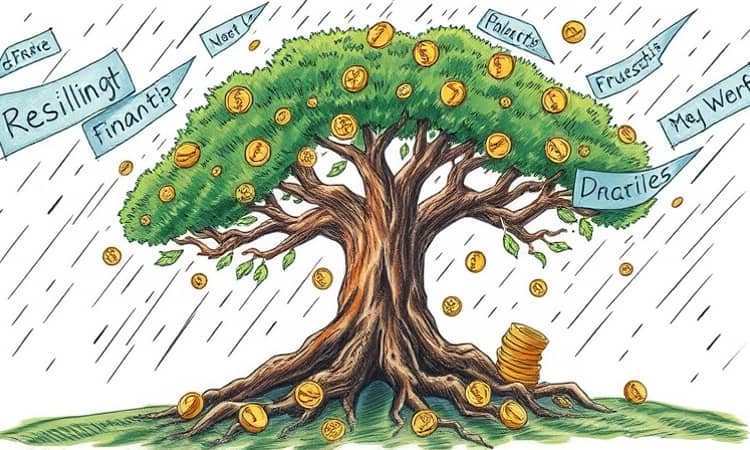
In today's unpredictable world, financial stability is more than a luxury; it is a vital shield against life's uncertainties. Building wealth that can weather any storm requires a proactive and disciplined approach, blending smart strategies with emotional resilience.
True riches are not measured by fleeting gains but by the ability to sustain and grow assets through challenges. This journey starts with a strong foundation that prioritizes protection over immediate growth.
By embracing practical steps and mindful habits, you can create a financial fortress that stands firm against volatility. Let this guide inspire you to take control and build a legacy of enduring wealth.
The Foundation of Resilient Wealth Building
Before chasing high returns, focus on creating a safety net that buffers you from shocks. Resilience in wealth building means having coping strategies to manage stress and setbacks effectively.
Start by establishing an emergency fund as your first line of defense. This fund should cover three to six months of living expenses in an easily accessible account.
Next, build financial safety nets through insurance and diversified investments. These layers ensure you have resources to tap into during crises.
Strategic planning is crucial. Set clear financial goals and regularly assess risks to stay agile. Adapt your plans based on market trends and personal changes.
- Emergency Funds: Save consistently to reach the target of three to six months' expenses.
- Insurance Policies: Protect against unforeseen events with health, life, and property insurance.
- Diversified Portfolios: Spread investments to minimize risk and enhance stability.
Fundamental Priorities: Foundation Before Growth
Experts recommend a specific order for financial priorities to ensure resilience. This approach prevents debt from undermining your wealth-building efforts.
First, build that emergency fund to cover unexpected costs. Without it, even minor setbacks can derail your progress.
Then, tackle high-interest debt aggressively. Paying it down frees up cash for more productive uses and reduces financial stress.
Ensure adequate insurance coverage to protect your assets and income. Only after these steps should you focus on long-term goals like retirement or education savings.
- Build an emergency fund as a priority.
- Pay down high-interest debt to reduce liabilities.
- Secure insurance for comprehensive protection.
- Invest in long-term goals with a clear strategy.
The 50/30/20 budget framework is a useful tool. Allocate 50% of income to needs, 30% to wants, and 20% to financial goals and emergency preparedness.
Diversification as Your Risk Protection Shield
Diversification is not just a strategy; it is a shield against market volatility. By spreading investments, you reduce the impact of any single asset's poor performance.
Effective diversification involves allocating across different asset classes. This includes stocks, bonds, real estate, and alternative assets.
Within asset classes, diversify further. For example, invest in both large-cap and small-cap stocks to balance growth and stability.
Regularly review and rebalance your portfolio to align with changing conditions. This keeps your investments on track and responsive to new opportunities.
- Allocate investments across multiple asset classes.
- Diversify within classes for added security.
- Use index funds for low-cost and easy diversification.
- Rebalance periodically to maintain your target allocation.
Index funds offer a simple way to achieve broad market exposure. They invest in many companies, reducing risk through inherent diversification.
Top Investment Vehicles for Building Resilient Wealth
Choosing the right investment vehicles is key to long-term success. In 2026, focus on options that provide growth, stability, and tax advantages.
Retirement accounts like 401(k)s and IRAs are essential. They offer tax benefits and compounding growth, securing your financial future.
Stock market strategies include growth and value investing. Growth targets companies with high potential, while value seeks undervalued stocks with strong fundamentals.
Exchange-traded funds (ETFs) provide diversification and reduce risk through pooled investments. They are ideal for hands-off investors seeking broad exposure.
Long-term options like growth stocks and target-date funds adapt over time. Robo-advisors automate investments based on your goals and risk tolerance.
Passive Income and Alternative Strategies for Stability
Passive income streams provide financial cushioning and reduce reliance on a single source. They align with personal interests and long-term goals for sustainable wealth.
Identify sources that resonate with you, such as real estate or digital products. This makes the process enjoyable and more likely to succeed.
Building a portfolio of dividend-paying stocks offers regular income. It complements other investments and enhances overall resilience.
- Invest in real estate for rental income.
- Create digital products like e-books or courses.
- Build a dividend stock portfolio for consistent cash flow.
Income diversification is critical. Develop contingency plans and explore multiple streams to withstand economic shifts.
Inflation Hedging Strategies to Preserve Purchasing Power
Inflation can erode wealth over time, so protecting against it is essential. Certain assets historically perform well during inflationary periods.
Real estate often appreciates with inflation, making it a reliable hedge. Commodities like gold and oil also tend to hold value.
Inflation-linked bonds adjust their payouts based on inflation rates. This ensures your returns keep pace with rising costs.
- Include real estate in your portfolio.
- Invest in commodities for diversification.
- Use inflation-linked bonds for protection.
Balance your portfolio with a mix of equities, real estate, and commodities. This approach enhances protection and maintains growth potential.
Behavioral and Lifestyle Components for Financial Discipline
Your mindset and habits play a huge role in wealth building. Intentionality and goal-setting transform abstract plans into actionable steps.
Start by identifying two or three specific financial goals. Write them down and create a budget to achieve them, a simple change with powerful results.
Practice delayed gratification and evaluate purchases carefully. Align spending with your objectives to avoid wasteful expenses.
Frugality does not mean deprivation; it means prioritizing savings. Adopt budgeting, minimize unnecessary costs, and seek discounts to free up funds.
- Set clear, written financial goals.
- Build a budget to track and manage expenses.
- Practice mindful spending habits.
- Expand your savings rate consistently.
The gap between income and expenses is your critical asset. Maximize it to accelerate your wealth-building journey.
Risk Management Techniques for Long-Term Security
Effective risk management safeguards your investments from unexpected downturns. Diversification and asset allocation are foundational strategies.
Regular portfolio reviews help identify and address imbalances. Use stop-loss orders to limit losses during market declines.
Insurance products provide additional protection against life's uncertainties. They complement your investment strategy for comprehensive security.
Commit to a long time horizon of at least three to five years. The longer you invest, the better you can ride out volatility and achieve growth.
- Diversify and allocate assets wisely.
- Review and rebalance portfolios regularly.
- Use stop-loss orders for protection against downturns.
- Invest with a long-term perspective.
Emerging Trends and Innovations Shaping Wealth Building
Technology is revolutionizing finance, making wealth building more accessible. Blockchain, AI, and fintech offer new tools for management and investment.
These innovations provide real-time insights and automated solutions. They empower individuals to make informed decisions with greater ease.
Socially responsible investing aligns values with financial goals. It focuses on diversity, equity, and inclusion, shaping corporate practices positively.
Stay agile and adapt to these trends. Incorporate sustainable and digital strategies into your plan for modern resilience.
Professional Guidance and Portfolio Management for Confidence
Seeking expert advice can enhance your financial strategies. Certified financial planners or investment advisors provide personalized insights.
They help navigate complex markets and optimize your portfolio. This guidance boosts confidence and ensures informed decision-making.
Rebalancing strategies are crucial when market conditions shift. If stocks outperform, adjust to maintain your desired allocation.
Dollar-cost averaging involves investing fixed amounts regularly. It reduces risk by spreading purchases over time, ideal for long-term horizons.
By integrating these elements, you build a wealth plan that is not only robust but also adaptable. Embrace resilience as your cornerstone, and watch your riches grow through any storm.