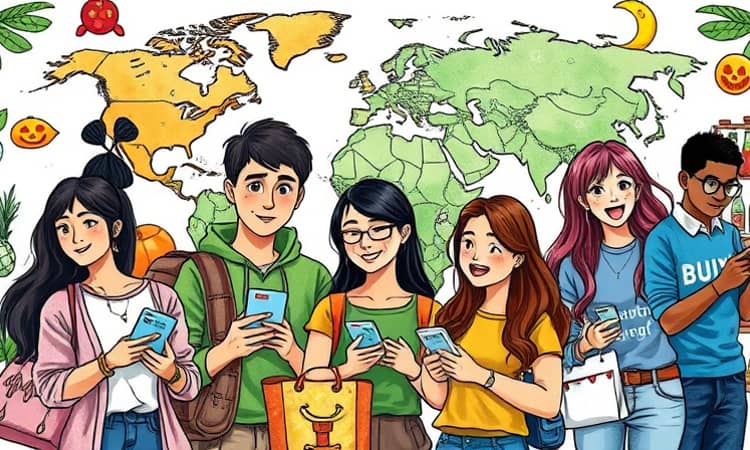
In 2025, consumers have become the true architects of market evolution. Their choices are no longer passive transactions but deliberate statements of values, priorities, and aspirations. The global economy responds to this chorus of voices, reshaping industries with an urgency and precision never seen before. Brands that listen and adapt will thrive; those that remain static risk obsolescence.
At the heart of this revolution lies an intentional, value-driven spending influenced by sustainability. Every purchase tells a story, and consumers demand honesty, innovation, and convenience in equal measure.
Sustainability Takes Center Stage
More than half of global shoppers—58%—are willing to pay a premium for products that tread lightly on the planet. This environmental awakening is led by Millennials (60%) and Gen Z (58%), with urban consumers demonstrating the fiercest commitment at 60%. Transparency in sourcing has become non-negotiable; 43% of buyers expect brands to reveal every step of the supply chain.
Online marketplaces are responding. Sustainable SKUs across 11 FMCG sectors leaped from 4 million in mid-2022 to 5 million by mid-2024. Meanwhile, secondhand purchases have declined, showing that consumers now seek newly manufactured eco-products over used goods, provided they carry credible certifications.
Digital and Cashless Payments Revolution
Convenience reigns supreme, and digital transactions are at the forefront. In the past month, 24% of consumers used mobile wallets like Apple Pay or Samsung Pay. North America leads with 29%, while Millennials outpace other generations at 26% adoption.
- Mobile-first, frictionless shopping experiences are now standard expectations.
- Buy-now-pay-later options capture 8% of global transactions, led by Millennials at 13% in the US.
- CashApp (+64%) and Zelle (+48%) growth highlights the shift away from cash.
Economic Caution Fuels Value Hunting
Despite inflation easing to 4.2% globally, half of consumers remain pessimistic about their economies. Price sensitivity has never been higher: only 18% indulge in impulse buys, while 62% worry about rising costs. Big-ticket items such as garden furniture (-48%) and home gym equipment (-28%) have seen significant demand drops since 2021.
Shoppers meticulously research every purchase, seeking affordability, durability, and compelling incentives. Brands that offer clear cost-benefit narratives and loyalty perks build lasting relationships with wary consumers.
Generational Drivers: Gen Z and Millennials
Gen Z spending power doubles that of previous cohorts, projected to eclipse baby boomers by 2029. This digital-native generation values speed, personalization, and authenticity. In the US, 80% of Gen Z recently shopped at wholesale stores, blending premium desires with budget-conscious strategies.
Millennials champion sustainability and experiences: 61% prefer memorable moments over material goods, and 60% will pay more for eco-friendly offerings. Their influence ensures that the future of commerce is both playful and purposeful.
Regional Variations: Global Trends, Local Flavors
Consumer power is expressed differently around the world. While the US leads in digital payments and experiential spending, the UK emphasizes organic and local goods. China, Germany, and the US boast over 90% online shopping penetration, with grocery delivery touching 40% weekly.
Health, Wellness, and Longevity Boom
The quest for a longer, healthier life is reshaping consumption. Fifty-two percent of people believe they’ll be healthier in five years. The market for vitamins and supplements is set to reach USD 139.9 billion in 2025. Sales of prebiotics and protein-rich foods have jumped 15% and 22% respectively in the US since 2022.
Apps, wearables, and personalized medicine drive preventative care. Consumers seek tailored wellness solutions at competitive prices, and brands that deliver on both innovation and trust win devoted followings.
Embracing AI and Technological Integration
Generative AI, chatbots, and AR experiences are no longer novelties. Gen Z champions these tools, expecting brands to offer AI-assisted shopping guides and virtual try-ons. Fast, reliable delivery—with 2-hour fulfillment targets rising from 34% to 65%—reflects the hunger for immediacy.
To stay relevant, businesses must develop personalized, low-friction checkout experiences that harness machine learning and predictive analytics, ensuring every interaction feels bespoke and effortless.
Strategic Business Implications and Opportunities
Consumer power demands strategic agility. Companies must embed sustainability, digital convenience, and value into every product and service. Here are actionable steps to align with 2025 consumer expectations:
- Implement a bring-it-to-me mindset by optimizing logistics for speed and reliability.
- Offer tiered loyalty programs with exclusive perks, workshops, and experiences.
- Balance premium and mass market strategies with targeted incentives and clear certification labels.
- Explore subscription models in wellness, food, and entertainment for recurring engagement.
By anticipating consumer needs and responding with authenticity, brands transform transactions into partnerships. The power wielded by shoppers in 2025 is immense—but it also illuminates a path to innovation, impact, and sustained growth. In this new era, success belongs to those who truly understand and respect the voice of the consumer.