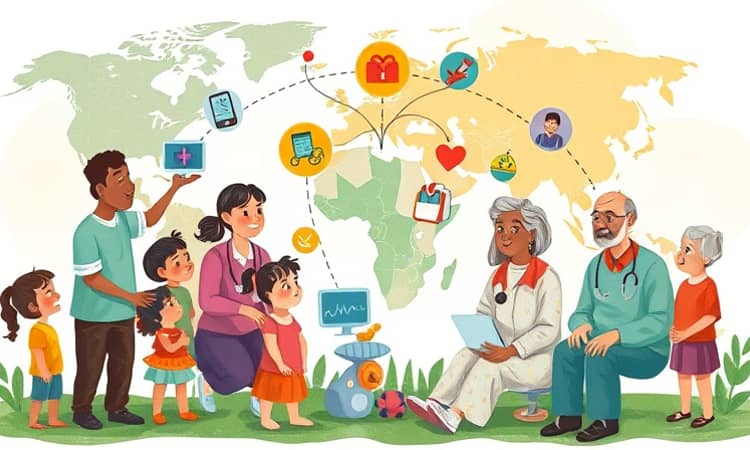
As global population dynamics undergo an unprecedented transformation, investors and policymakers face both pressing challenges and remarkable opportunities. From declining birth rates in aging societies to surging youth populations in emerging regions, the demographic canvas is being redrawn at a pace unseen in modern history.
By 2025, the world is expected to reach 8.2 billion people, climbing to 9.7 billion by 2050 before peaking around 10.3 billion around 2084. These figures, derived from the UN’s latest projections, underscore the profound shifts that will shape economies, social systems, and investment landscapes for decades to come.
Understanding Global Demographic Transformations
Fertility rates around the globe have fallen below the replacement level of 2.1 children per woman, a trend driven by urbanization, expanded access to education, and evolving social norms. In developed economies, this change is already evident, while less developed regions are following suit, albeit at varying paces.
By mid-century, all population growth is projected to stem from less developed countries, with sub-Saharan Africa contributing over half of the global increase. Nations such as Nigeria, Ethiopia, and the Democratic Republic of the Congo are leading this surge, collectively accounting for more than 60% of anticipated growth by 2100.
Concurrently, longevity improvements have added an average of three years to life expectancy between 2025 and 2050. This extension of lifespan, paired with falling birth rates, is driving an unprecedented aging wave. By 2100, the share of people aged 65 and older is expected to match the under-25 cohort, reversing today’s approximate 4:1 youth-elderly ratio.
These intersections of declining fertility and rising life expectancy create a new demographic equilibrium, compelling societies to rethink established models of work, care, and social support. Global population dynamics are shifting, and the time to prepare is now.
Economic, Social and Resource Challenges
Adjusting to these demographic realities will strain existing economic and social structures. Pension systems designed for expanding workforces may buckle under the weight of growing retired populations, while healthcare networks must adapt to chronic conditions prevalent in older age groups.
Meanwhile, high-growth regions face different pressures. In sub-Saharan Africa, rapid population expansion could overwhelm food, water, and urban infrastructures if not managed with foresight. The region’s youth bulges present both an asset and a responsibility for sustainable development.
- Shrinking labor forces strain public finances and pension systems.
- Rising old-age dependency ratios increase healthcare and social care costs.
- Ecological pressures mount in high-growth regions, stressing resources.
- Urban planning and housing struggle to keep pace with changing demographics.
Without targeted interventions, these economic and social challenges risk creating “demographic traps” where growth stalls and inequalities deepen.
Investment Frontiers: Emerging Sectors and Regions
Astute investors will recognize that demographic shifts translate into sectoral opportunities. Whether by addressing the demands of aging societies or supporting the aspirations of younger populations, strategic capital deployment can yield both financial returns and societal benefits.
Japan and several European countries are already deploying robots and AI to maintain productivity with fewer workers, while leading pharmaceutical companies invest billions in geriatric research. In contrast, venture capital firms are increasingly eyeing African startups addressing everything from edtech to renewable energy.
Investments in immigration services, urban planning, and housing technology can also produce significant returns. Spain, for example, must attract approximately 375,000 net migrants annually to stabilize its workforce, creating opportunities in relocation services, language training, and community integration.
Strategies for Investors and Policymakers
To harness the full potential of demographic transitions, a coordinated approach is required. Investors should blend financial objectives with social impact, while policymakers must implement frameworks that facilitate adaptation without stifling innovation.
- Prioritize growth in healthcare technology and geriatric care services.
- Fund automation, robotics, and AI solutions to offset workforce contractions.
- Establish partnerships in sub-Saharan Africa to capture high-growth markets.
- Advocate for balanced immigration policies that address labor needs.
- Support financial products tailored to extended lifespans and retirement planning.
Beyond capital allocation, rigorous demographic analysis and scenario planning are crucial. Investors should stress-test portfolios against alternative fertility and migration scenarios to ensure resilience in the face of uncertainty.
Policymakers, meanwhile, can leverage tools ranging from family planning programs to education initiatives that empower women and delay childbearing, thereby smoothing long-term population trajectories.
Embracing Change: Building a Sustainable Future
Demographic shifts offer a powerful lens through which to envision the future of markets and societies. By converting challenges into opportunities, stakeholders can foster growth that is both inclusive and sustainable.
Whether through funding breakthroughs in longevity science or enabling entrepreneurship in fast-growing African cities, the next generation of investments will be defined by their alignment with demographic realities. This holistic perspective ensures that capital deployment not only yields returns, but also contributes to resilient communities and strengthened social safety nets.
Ultimately, successful navigation of these shifts demands foresight, collaboration, and a willingness to innovate. Each demographic shift carries opportunities, and those who anticipate them are poised to shape a world where prosperity and longevity go hand in hand.
Now is the moment to act, to invest in the structures and systems that will support all age groups, and to craft strategies that honor our collective future. The demographic tides are rising—let us set sail with purpose.