In an era where borders seem increasingly porous, our world is bound by an intricate web of economic ties that define modern prosperity and risk.
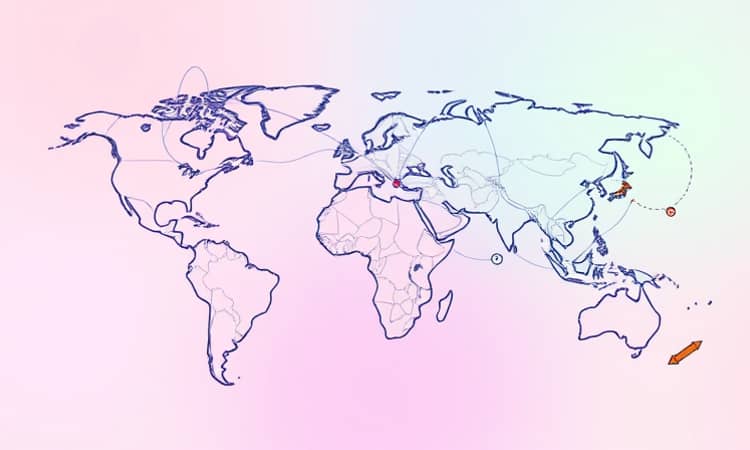
This phenomenon, known as global economic interdependence, means that no nation thrives in isolation; our fates are intertwined through trade, finance, and innovation.
From the coffee in your cup to the device in your hand, every daily experience is a testament to this deep integration.
Core Concepts and Historical Evolution
At its heart, global economic interdependence describes a reality where countries rely on each other for stability and growth.
It transcends simple exchange to involve deep integration through global value chains, where production is sliced across nations.
Historically, this interdependence has exploded in just one generation, fueled by technological advances and liberal policies.
- Specialization and trade: Countries focus on sectors where they have comparative advantage, boosting global efficiency.
- Flow of goods and services: Cross-border movement connects producers and consumers worldwide, enhancing variety.
- Interconnected financial markets: Capital flows link financial conditions, creating shared vulnerabilities and opportunities.
- Technology diffusion: Innovations spread rapidly, lifting productivity across borders.
- Labor and migration: Movement of people ties labor markets and remittances to global dynamics.
This shift marks a departure from older globalization, emphasizing complex production networks rather than mere finished goods trade.
Financial liberalization has further heightened financial interdependence, allowing capital to move with unprecedented speed.
Channels of Global Dependencies
The interconnected economy operates through six key flows: goods, services, capital, people, data, and ideas.
These channels create robust linkages that shape everything from supply chains to daily life.
For instance, the U.S. trade deficit has grown significantly, highlighting import dependence in sectors like automotive and pharmaceuticals.
Global value chains account for a substantial share of world trade, with value added crossing borders multiple times.
- Goods flow: Enables access to diverse products, from electronics to agriculture.
- Services flow: Outsourcing of IT and back-office functions integrates labor markets.
- Capital flow: Investments and loans foster economic ties between countries.
- People flow: Migration supports remittances and skill transfers globally.
- Data flow: Digital connectivity allows ideas and information to spread instantly.
This interconnectedness means that disruptions in one area can ripple across the globe, underscoring our systemic vulnerability.
Benefits of an Interconnected World
The benefits of this interdependence are profound, driving progress and improving lives worldwide.
Efficiency and productivity gains arise as countries specialize, leading to higher output with fewer resources.
Consumers enjoy increased variety and lower prices, accessing goods from multiple countries that raise living standards.
- Specialization and trade: Boosts global efficiency by allocating resources optimally.
- Technology diffusion: Accelerates innovation, with each country contributing to the puzzle.
- Consumer benefits: More choices and affordable products enhance daily life.
- Development opportunities: Lower-income countries can integrate into value chains for growth.
Rapid technological diffusion supports economic development, helping nations catch up through knowledge sharing.
This interconnectedness fosters a more dynamic and innovative global economy, where collaboration drives advancement.
Vulnerabilities and Practical Mitigation
However, interdependence also multiplies risks, creating channels for contagion that demand awareness and action.
Supply chain disruptions, as seen during COVID-19, can trigger global production stoppages and shortages.
Financial crises can spread rapidly through cross-border finance networks, affecting markets worldwide.
- Trade risks: Disruptions in one country impact global production, with losses averaging 8% of revenue.
- Financial risks: Deregulation can magnify crisis transmission, requiring vigilant oversight.
- Technology risks: Over-reliance on single sources for critical components can lead to vulnerabilities.
- Labor risks: Migration policies and skill gaps can strain interconnected labor markets.
Data shows that major supply chain disruptions occur about every 3.7 years, with recovery taking 2-3 years.
To build resilience, businesses are adopting strategies like inventory buffers and supplier diversification.
For example, 78% of companies now use these tactics to mitigate risks in an interconnected economy.
- Diversify suppliers: Reduce dependence on single regions to enhance reliability.
- Embrace multi-shoring: Balance sourcing across multiple locations for flexibility.
- Invest in digitalization: Use technology to monitor and manage global networks.
- Foster collaboration: Work with partners to share risks and innovate solutions.
These steps can help recover margins and improve supply reliability in a volatile world.
Embracing Our Interconnected Future
Understanding global dependencies is not just an academic exercise; it is a practical tool for navigating modern life.
By recognizing our shared vulnerabilities, we can foster cooperation and build a more resilient global community.
This interdependence offers a path to prosperity and stability through mutual support and innovation.
Let us embrace this interconnectedness with wisdom, leveraging its benefits while mitigating its risks for a brighter future.