In an era defined by climate uncertainty and mounting food demands, businesses and communities are seeking ways to produce more while preserving the planet. This modern iteration of the Green Revolution combines cutting-edge technology, ecological stewardship, and economic savvy to create lasting impact on global food systems and corporate profitability.
Origins and Lasting Legacy
The original Green Revolution of the mid-20th century introduced high-yield variety seeds, synthetic fertilizers, pesticides, and expanded irrigation networks. These innovations enabled wheat and rice yields to triple in regions like India, preventing famines and sparing millions of acres of forest from conversion.
However, without robust supporting policies, the mass adoption of these inputs led to soil degradation, water contamination, and widening social disparities. These lessons underscore the need for an integrated approach—one that unites productivity with environmental stewardship and community resilience.
Innovations in Modern Agriculture
Today’s agricultural landscape is defined by precision, regeneration, and biological solutions that reduce inputs while boosting yields. Farmers and agribusinesses can optimize resources and command premium prices for sustainably produced crops.
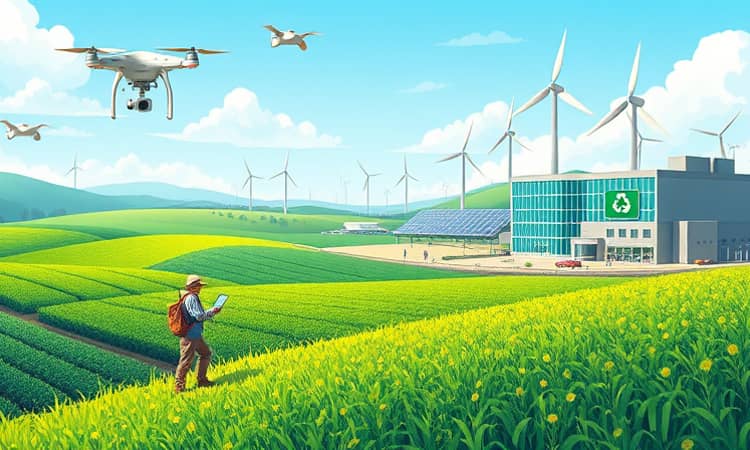
- Precision Agriculture: Real-time sensors, drones, and satellite imagery deliver targeted irrigation and nutrient management, cutting waste and environmental runoff.
- Climate-Resilient Crops: Advanced breeding and gene editing (CRISPR-Cas9) create varieties that withstand heat, drought, and emerging pests.
- Microbial Seed Coatings: Beneficial bacteria and fungi enhance drought tolerance and nutrient uptake, reducing reliance on chemical fertilizers by up to 50%.
- Regenerative Practices: Cover cropping, crop rotation, and minimal tillage improve soil carbon sequestration and biodiversity, enhancing long-term farm viability.
- Next-Generation Inputs: Green hydrogen-based fertilizers, biopesticides, and AI-driven machinery further minimize environmental footprints.
Supply chain innovations like cold-chain improvements and high-oleic soybean varieties also reduce waste and produce premium oils for health-conscious consumers, driving brand trust and higher margins.
Sustainable Manufacturing and Circular Economy
Manufacturing firms are shifting from linear production models to circular frameworks that emphasize product life extension and material recovery. These strategies lower costs, comply with regulations, and resonate with eco-aware customers.
By embedding circular economy principles into design and operations, companies reduce resource extraction, lower waste-handling costs, and open new revenue streams through remanufacturing and service offerings.
Merging Digital Strategy with Environmental Management
Digital tools are essential for measuring, reporting, and improving sustainability performance. Energy-efficient software, lifecycle assessments (LCAs), and automated reporting systems foster transparency and guide investment decisions.
- Green Digital Products: Software optimized for lower energy consumption extends device life and reduces operational costs.
- Integrated Reporting: Real-time dashboards track carbon footprints, water use, and waste generation, enabling swift corrective actions.
- Cross-Functional Collaboration: Embedding sustainability into R&D, operations, and marketing ensures consistency and drives cultural change.
As consumer expectations and regulatory frameworks tighten, companies that commit to transparent sustainability metrics gain trust and competitive advantage in global markets.
Economic and Strategic Benefits
Investing in sustainable innovations delivers both top-line growth and cost savings. Farmers reduce input costs through precision tools and receive premiums for traceable, eco-certified crops. Manufacturers cut energy bills and waste-handling expenses while attracting eco-conscious buyers.
Additional revenue streams emerge from carbon markets that reward regenerative practices. By sequestering carbon in soils, farmers can monetize environmental benefits, offsetting implementation costs and diversifying income.
Businesses also mitigate risks. Climate-resilient seeds and diversified inputs protect against volatile weather, pest outbreaks, and market fluctuations. Stackable solutions enhance reliability, minimizing the impact of droughts or fertilizer price spikes.
Challenges and the Path Forward
Scaling these innovations requires addressing barriers such as upfront investment costs, uneven technology access, and regulatory hurdles. Smallholders in developing regions may struggle to adopt advanced tools without targeted support and training.
Policy frameworks must incentivize judicious input use, reward ecosystem services, and facilitate access to precision technologies. Partnerships among governments, NGOs, and the private sector can foster capacity building and share best practices across geographies.
Data-driven decision-making, coupled with strong governance and global collaboration, will be essential. Companies must align strategy, operations, and talent around sustainability goals to unlock the full potential of Green Revolution 2.0.
By embracing innovation, integrating digital tools, and centering ecological health, stakeholders can feed a growing population, safeguard natural resources, and generate profitable growth. This new era of sustainable innovation offers a roadmap for prosperity—one that honors both the planet and future generations.