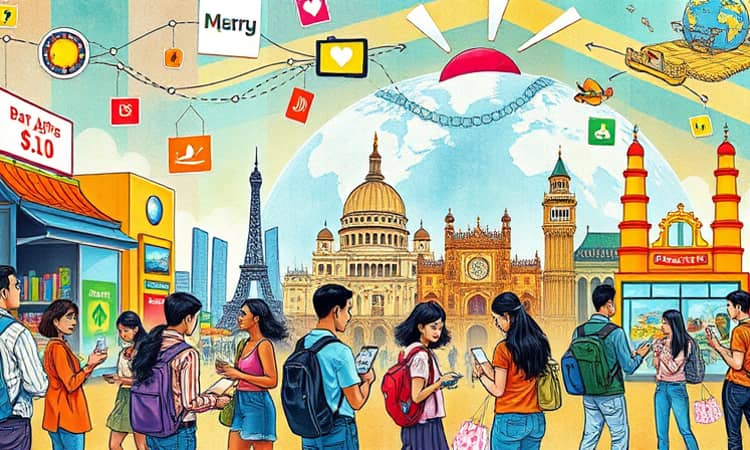
In a world transformed by rapid economic shifts and digital innovation, understanding how consumers adapt is more crucial than ever. Businesses and entrepreneurs alike must heed the currents of change to thrive in this dynamic marketplace. This narrative explores the trends shaping consumption globally and offers practical strategies to navigate the evolving landscape.
Core Economic Trends
The past few years have laid bare the rising consumer bifurcation trends dividing households by income. While higher-income groups expand their inflation-adjusted spending by 6% since 2019, lower-income families face tightening budgets and reduced discretionary purchases. This disparity is especially acute in travel, dining, and luxury retail, whereas essentials such as groceries and quick-service meals maintain steady demand.
Inflation remains the foremost concern for 37% of U.S. consumers, with tariffs and supply pressures driving shelf prices upward. In response, savvy businesses are optimizing operations and offering tiered pricing models to protect margins without alienating cost-sensitive shoppers.
Meanwhile, global M&A activity in consumer markets has surged by 41% in value, fueled by megadeals exceeding $5 billion. Europe, the Middle East, and Africa lead growth, reflecting regional consolidation and a search for scale. This trend highlights the opportunity for ambitious brands to pursue strategic partnerships and mergers as a pathway to resilience.
Shopping Behavior Transformation
Consumers now average 2.6 billion online trips across consumer packaged goods, general merchandise, and fast food, yet face choices that constrain units per trip. This signals a pivotal moment: brands must make every online visit count by streamlining checkout, offering personalized recommendations, and reinforcing loyalty.
- Enhance mobile and desktop interfaces to reduce abandoned carts.
- Implement AI chatbots for real-time product discovery and support.
- Offer subscription services for staples to secure recurring revenue.
Social commerce is poised to capture 17% of online sales by 2026, with livestream shopping alone nearing $70 billion in the U.S. This underscores the need to integrate interactive platforms and influencer collaborations into retail strategies, ensuring brands stay front of mind in digitally native shopping channels.
Regional Market Dynamics
Emerging markets such as India and the Middle East stand out as engines of growth, driven by urbanization and a tech-savvy youth demographic. Fifteen of the world’s fifty largest consumer cities now reside in these regions, opening avenues for local partnerships and targeted market entry.
Japan, meanwhile, is redefining M&A through governance reform and demographic change. Companies are restructuring portfolios, offering Western investors fresh gateways to a stable, high-tech market.
Supply chain resilience is another frontier. North American firms are leveraging nearshoring and regional supply chain agility by shifting production to Mexico and Canada. In Europe, manufacturers are expanding in Eastern Europe and North Africa to reduce lead times. Asia’s rising stars—Vietnam, India, Indonesia—are carving out niches as cost-effective alternatives to China.
Consumer Value Perceptions
Today’s shoppers blend price sensitivity with purpose-driven choices. Over 60% prioritize affordability, yet more than 40% will pay premiums for products aligned with their beliefs. To capture this duality, brands must embrace sustainable, values-driven strategies that balance ethical practices with competitive pricing.
Private label products continue to gain ground as national brand inflation outpaces store brands. Younger consumers, in particular, are drawn to quality private labels that mirror premium offerings at lower price points. At the same time, discount and wholesale channels attract broad demographics, highlighting the importance of flexible pricing structures.
Local shopping preferences also shape purchase decisions. In sectors like beauty and apparel, consumers are increasingly drawn to homegrown brands that reflect cultural tastes and support local economies. This trend creates an opening for smaller players to champion authenticity and community connection.
Health and Wellness Trends
The wellness revolution shows no signs of slowing. Functional nutrition, led by protein, gut health, and specialized hydration, is capturing consumer interest. Brands that innovate with clean labels and simplified ingredient lists tap into the broader functional nutrition and clean living focus movement, meeting demands for transparency and efficacy.
Meanwhile, the advent of GLP-1 medications is reshaping long-term health behaviors. As adoption grows and prices potentially fall, companies can anticipate shifts in consumption patterns and tailor product lines—from meal replacements to fitness services—to support sustained wellness goals.
Heightened stress levels, reported by 58% of consumers, are driving demand for calming experiences and natural ingredients. From mindfulness apps to herbal supplements, opportunities abound for brands willing to design holistic solutions that soothe both mind and body.
Personalization and Experiential Consumption
Hyper-segmentation powered by AI and data analytics is no longer optional—it is essential. By 2026, personalized offers and adaptive experiences will define brand loyalty. Retailers that invest in advanced analytics can tailor assortments, pricing, and promotions at a granular level, engaging consumers with precisely the right message at the right moment.
- Use behavioral data to create micro-segments and custom promotions.
- Leverage GenAI to power product discovery and deal-seeking features.
- Foster emotional connections through customizable packaging and services.
Experience-led consumption also reigns supreme. Spending on travel, dining, and immersive events outpaces goods, with Airbnb nights valued at $82 billion in recent bookings. Brands that integrate physical and digital touchpoints—pop-ups, virtual reality showrooms, community workshops—will captivate modern consumers seeking memorable engagements.
A Call to Action: Embrace Change and Opportunity
We stand at the intersection of unprecedented consumer choice and technological possibility. Businesses that adapt to the AI-enabled commerce and personalization landscape, optimize supply chains for regional agility, and champion responsible, value-driven offerings will emerge as leaders in the next era of global consumption.
Start today by auditing your digital touchpoints, forging strategic partnerships in high-growth markets, and listening closely to the evolving needs of your customers. By weaving these threads into your core strategy, you can transform challenges into catalysts for innovation and long-term growth.
In this ever-shifting landscape, the story of the global consumer is still being written. Your ability to anticipate trends, connect authentically, and deliver exceptional experiences will define your role in shaping the future of consumption.