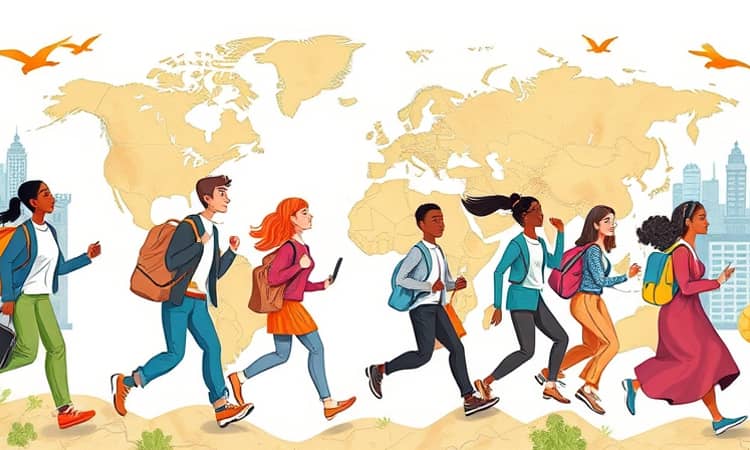
In an interconnected world, the migration of skilled workers shapes economies, societies, and futures. Understanding this complex flow is essential to harness its benefits and address its challenges.
Understanding the Phenomenon
Brain drain refers to the large-scale emigration of highly trained or educated individuals from one country to another that can offer better pay, benefits, or advancement opportunities. Over centuries, talented individuals have moved to centers of learning and innovation, searching for environments that value their contributions.
This movement often results in highly educated professionals migrate abroad, leaving home countries with fewer resources to tackle pressing issues. The phenomenon is most acute in smaller or developing nations where limited local opportunities push talent toward wealthier regions.
Economic Consequences for Origin Countries
One of the most pressing concerns for countries losing talent is the draining the intellectual resources of nations. When doctors, engineers, and researchers depart, public services and industries struggle to innovate and expand.
Over time, reduced human capital leads to slower growth, diminished tax revenues, and a widening development gap. In nations where universities subsidize education, investment in training yields little return when graduates emigrate, exacerbating fiscal strain.
To illustrate the severity, consider the Brain Drain Index rankings:
The table above highlights regions where emigration of skilled workers is most intense. Such losses, if unaddressed, can stall national progress for generations.
Impacts on Destination Countries
Host nations often reap significant rewards from incoming talent. Highly skilled migrants bolster research, drive innovation, and fill critical labor shortages in sectors like healthcare and technology.
However, an unchecked influx can lead to downward pressure on wages, underemployment of qualified individuals, and challenges in credential recognition. Without proper integration, some skilled migrants accept roles beneath their training.
Maintaining balance requires thoughtful immigration policies, targeted visa programs, and support systems that ensure expertise aligns with opportunities, maximizing benefits for all stakeholders.
Rethinking Brain Drain as Brain Circulation
Emerging research suggests that talent migration is not a one-way street. Through remittances, knowledge transfer, and return migration, home countries can recover and even benefit from their diaspora.
For example, Indian IT professionals on H-1B visas often return with new skills and networks, sparking innovation hubs in cities like Bangalore. Such dynamics illustrate incentives for return migration and investment that can reshape domestic industries.
Similarly, remittances sent by overseas workers support families, fund education, and finance small businesses, fostering sustainable development at home in ways that extend far beyond direct economic contributions.
Policy Pathways and Practical Solutions
Both origin and destination countries share responsibility for shaping mutually beneficial outcomes. Strategic interventions can transform brain drain into a catalyst for growth.
- Invest in quality research and development centers to retain talent.
- Create scholarship agreements that require service commitments before permitting overseas study.
- Establish diaspora networks and mentorship programs linking expatriates with institutions at home.
Moreover, destination nations must ensure ethical recruitment and meaningful integration:
- Develop credential recognition and bridging programs for foreign qualifications.
- Support professional associations that connect migrants with local industries.
Global organizations and governments can also play a role by encouraging global collaboration and knowledge exchange, funding joint research, and creating forums for talent circulation that respect both national interests and individual aspirations.
Looking Ahead: A Cooperative Future
Addressing the brain drain challenge demands a holistic approach. By aligning policies, leveraging technology, and valuing talent wherever it resides, nations can turn potential losses into shared gains.
Empowering individuals with opportunities at home, while facilitating productive global mobility, creates a dynamic ecosystem in which innovation thrives. The future rests on collaboration, strategic foresight, and the unwavering belief that talent, once nurtured, has the power to transform societies across borders.