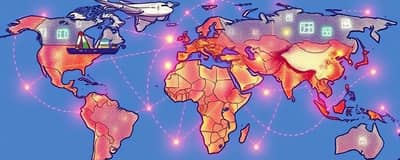
In 2026, investors face a world reshaped by trade tensions, policy shifts, and technological revolutions. Understanding these forces and translating them into a coherent strategy can spell the difference between stagnation and growth.
Reading the Geopolitical Signs
Global investment trends are increasingly influenced by strategic diversification across regions and sectors. The era of US exceptionalism is softening under tariff uncertainties, prompting many to lower their equity exposure to US mega-cap names. Meanwhile, Europe and Japan are staging a comeback, backed by fiscal spending on defense, infrastructure, and self-sufficiency programs.
Emerging markets are riding powerful tailwinds: a weaker dollar, potential Fed cuts, and strong policy support. China’s semiconductor and biotech sectors are capturing investor attention, and India’s consumer resilience and earnings recovery paint a promising picture. Yet, we must acknowledge rising public debt, reshoring pressures, and energy transition inflation as serious risks.
Opportunities in a More Fragmented World
Amid fragmentation, certain sectors stand out for their growth potential. Governments and corporations alike are allocating record amounts to technology and sustainability.
- AI-driven technology investments in cloud computing, semiconductors, and data centers
- Renewables and ESG initiatives, from onshore wind to nuclear power
- Defense and infrastructure projects supporting electrification and cybersecurity
- Biotech innovations and digital health solutions
- E-commerce expansion targeting $8 trillion in global sales by 2026
Private markets, including private credit and infrastructure, offer income and inflation hedges. With tariffs and uncertainty elevating risk, these alternative assets can provide stability and yield.
Regional Growth Drivers and Risks
Each major economy brings unique drivers and challenges. Below is a concise overview to guide geographic allocations.
Constructing a Resilient Portfolio
Building a portfolio that weathers geopolitical storms requires both breadth and precision. Focus on quality assets, balanced by income-generating positions.
- Allocate to global equities: emphasizing non-US markets and small-to-mid caps
- Hold fixed income: EM sovereign and corporate bonds, euro investment-grade credit
- Include alternatives: private credit for stable yields, real assets for inflation protection
- Pursue targeted allocations to emerging market equities with strong fundamentals
In equities, look for companies benefiting from AI, defense, and renewable mandates. Within fixed income, prioritize hedges against inflation and volatility using inflation-linked bonds and quality sovereign debt.
Risk Management and Hedges
No strategy is complete without planning for downside scenarios. Geopolitical escalation, sticky inflation, and policy missteps remain constant threats.
- Maintain cash buffers and tactical duration positions
- Use gold and precious metals as stores of value
- Hold selected currencies: Japanese yen and euro for safety
- Pursue balanced portfolio with gold and bonds to smooth returns
Private markets can serve as a hedge, offering less correlation with public equities. Direct indexing and customized strategies allow for precision risk management and ESG integration.
Conclusion: Charting Your Course
The 2026 investment landscape presents both uncertainties and opportunities. By embracing steady and informed decision-making, investors can turn geopolitical challenges into gateways for growth.
Prioritize diversification across geographies and assets, focus on secular trends like AI and sustainability, and embed robust hedges. This balanced approach can help guide your portfolio confidently through volatile times and toward long-term prosperity.