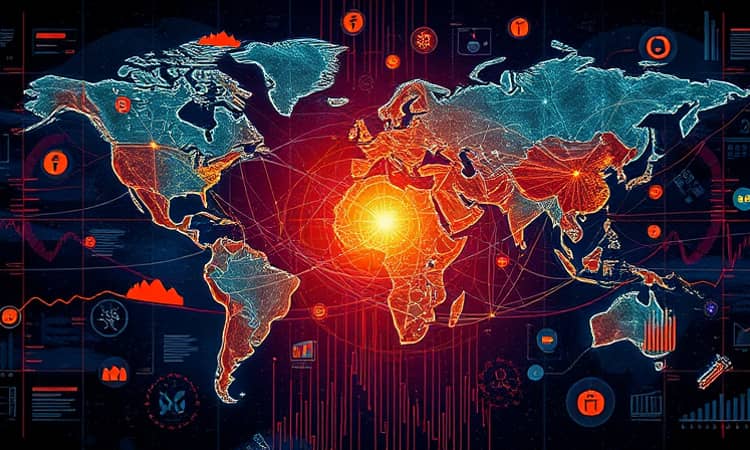
In an era defined by interwoven markets, cutting-edge technologies, and shifting alliances, the concept of geoeconomics has never been more vital. By examining how economics, technology, and geography combine to shape the international landscape, we gain a deeper sense of the forces driving global influence today.
This article will guide readers through the historical evolution, the core pillars of power, the instruments at play, and, most importantly, the practical strategies that businesses, governments, and individuals can employ to thrive in a multipolar world.
Setting the Stage: From Geopolitics to Geoeconomics
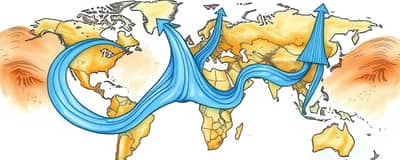
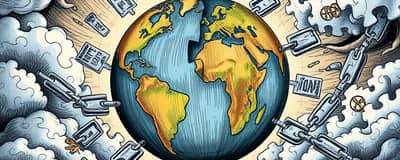
For much of modern history, power dynamics were viewed primarily through a geopolitical lens, where military might and territorial control held supreme influence. Yet, the late twentieth century saw a profound shift. The collapse of traditional blocs, the explosive growth of global trade, and the dawn of the digital age ushered in weaponized interdependence through global networks.
Under this new paradigm, states increasingly deploy economic policy as a form of strategic leverage. Rather than maintaining rigid frontiers, they shape alliances and dependencies by controlling supply chains, investment flows, and regulatory regimes.
We have transitioned from a unipolar moment of Pax Americana to a complex multipolar contest. China’s rise in trade and technology, Russia’s assertive resource diplomacy, and the European Union’s push for strategic autonomy all highlight the systemic nature of this competition.
The Pillars of Geoeconomic Power
At its core, geoeconomics analyzes the systemic distribution of capabilities across three interrelated pillars:
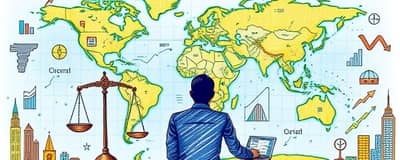
This framework allows us to see beyond national borders and appreciate how economic instruments to achieve geopolitical goals play out in a deeply interconnected world.
Arming States: Carrots, Sticks, and Strategic Tools
In geoeconomics, nations wield both incentives and penalties to shape behavior abroad. Understanding these tools offers insight into global maneuvering and how stakeholders can respond.
- Carrots: Foreign aid packages, development loans, and infrastructure investments (e.g., the Marshall Plan or China’s Belt and Road Initiative) build dependency and align interests.
- Sticks: Sanctions, tariffs, quotas, and regulatory barriers can cripple targeted industries or compel policy shifts.
- Technical measures: National technology programs, export controls, and digital standards shape who gains access to cutting-edge innovations.
These tools are not wielded in isolation. States often combine them, deploying sophisticated economic intelligence to calibrate pressure and reward precisely.
Navigating Multipolar Dynamics: Practical Strategies
As the lines between commerce and strategy blur, businesses, governments, and civil society can adopt proactive measures to safeguard their interests and promote resilience.
- Diversify partnerships: Build supply-chain alternatives across multiple regions to avoid overreliance on a single source.
- Invest in innovation: Prioritize R&D in emerging technologies, from artificial intelligence to next-generation semiconductors, to secure competitive advantage.
- Enhance transparency: Adopt robust compliance and risk-assessment frameworks to navigate sanctions and regulatory regimes effectively.
- Foster coalitions: Collaborate with like-minded partners on trade agreements, standards bodies, and regional alliances to amplify collective influence.
- Promote resilience: Strengthen domestic critical infrastructure and digital networks to withstand external shocks.
By focusing on these approaches, stakeholders can turn geoeconomic challenges into opportunities for growth and stability.
Future Outlook: Thriving in an Interconnected Era
Looking ahead, the fusion of economic power, technological innovation, and geographic strategy will only intensify. The Fourth Industrial Revolution promises breakthroughs in biotechnology, advanced materials, and quantum computing, while climate change will reshape resource landscapes and trade routes.
To remain adaptable, stakeholders must embrace a culture of strategic adaptability and foresight. That means continuous scenario planning, investment in human capital, and an unwavering commitment to ethical standards. The stakes have never been higher: the policies we craft today will define the map of influence for decades to come.
In this unfolding era, every decision—from board-room investments to national policy choices—carries geoeconomic weight. By understanding the interplay of global interdependence and strategic competition, we can shape a future that promotes shared prosperity, security, and innovation.
Ultimately, geoeconomics invites us to transcend traditional boundaries and collaborate across sectors, forging new pathways to collective success. As you navigate these complex currents, remember that agility, vision, and strategic partnership will be your greatest assets.