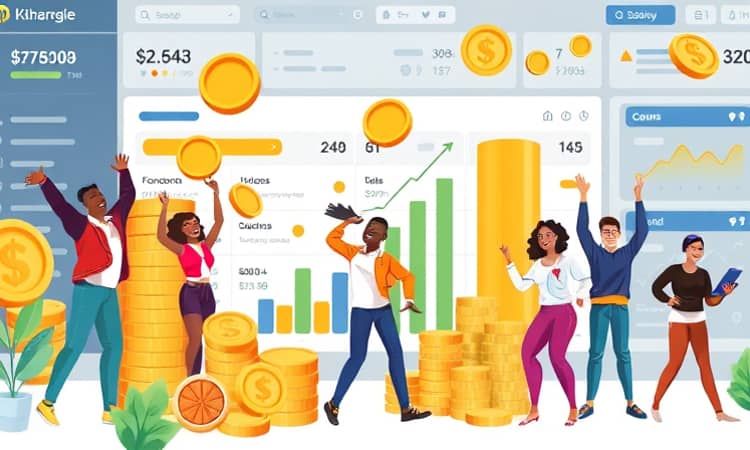
Financial planning often ranks among the most daunting tasks individuals face. From budgeting to investing, the learning curve can feel steep and the process, tedious. However, a revolutionary approach has emerged: gamification. By borrowing elements from game design, we can transform conventional financial tasks into compelling, interactive journeys. This article delves into how gamification reimagines finance, its proven benefits, and strategies for implementation.
Understanding Gamification in Finance
At its core, gamification in financial contexts employs mechanisms like points, badges, challenges, and leaderboards to motivate users. It taps into human psychology, leveraging dopamine responses to achievements and social interactions. The aim is to foster sustained behavior change in finance, making routine actions feel purposeful and rewarding.
When applied correctly, gamification shifts perspectives, turning what was once a chore into an opportunity for growth and mastery. Users feel driven to complete tasks not out of obligation but from the excitement of leveling up, unlocking rewards, and comparing progress with peers.
- Points and Badges: Visual tokens of achievement for completed activities
- Challenges and Quizzes: Engaging tasks that teach financial concepts
- Leaderboards and Rankings: Friendly competition to spur motivation
- Progress Tracking: Real-time feedback on goal advancement
Key Benefits of Gamified Financial Tools
Gamified financial apps deliver measurable benefits for both individuals and organizations. For users, enhanced engagement and clarity in decision-making reduce errors and impulsive behaviors. They cultivate disciplined habits through clear objectives and constant feedback loops.
Businesses also gain by differentiating their offerings in a crowded marketplace. Gamification boosts user acquisition, retention, and data collection, allowing for positive reinforcement for long-term goals and targeted personalization. As participants interact more frequently, companies gather valuable insights to refine features and deliver ever more tailored experiences.
Studies show that gamification can double the rate at which users complete interactive tutorials and educational modules. By offering immediate feedback and rewarding incremental steps, applications create a sense of mastery and confidence. This method also visual indicators break large goals into manageable tasks, making even ambitious financial objectives feel achievable.
Gamifiable Aspects of Personal Finance
Seven fundamental areas lend themselves naturally to gamification. Each offers unique opportunities to engage users and drive consistent action:
- Savings Adventures: Daily small deposit challenges with badges and level progression
- Expense Tracking Challenges: Points awarded for staying within budget categories
- Budgeting Quests: Visual goal boards aligning spending with personal milestones
- Debt Reduction Games: Progress bars or mountain climbs indicating shrinking balances
- Investment Simulations: risk-free real-life financial scenarios to practice portfolio decisions
- Retirement Milestones: Rewards for regular contributions and milestone achievements
- Financial Literacy Modules: interactive learning and simulations through quizzes and mini-games
By addressing each aspect, users receive continuous motivation and a clear view of their financial landscape.
Implementation Strategies
To harness gamification effectively, planners and developers should integrate proven strategies:
These tactics create a dynamic environment where progress is visible and rewarded. Incorporating narratives and repeated interactions further deepens engagement.
Beyond these core strategies, platforms can incorporate adaptive difficulty levels, customizing challenge intensity based on user progress. Seasonal events, time-sensitive missions, and peer-to-peer competitions can further spark interest. Integrating real-life rewards like cashback or discount coupons bridges the gap between virtual achievements and tangible benefits.
Real-World Success Stories
Several fintech platforms have championed gamification, demonstrating its power through robust results. For example, SavingsQuest rewards users with badges for daily deposit challenges, leading to a 25% increase in saving frequency compared to control groups. In regions where 21–46% of households lack three months’ living expenses, such interventions can be life-changing.
Platforms like Monefy illustrate how simple interactive breakdowns of expenses can reveal spending patterns at a glance. Users earn stars for categorizing transactions promptly, leading to a 30% improvement in monthly budgeting adherence. These seemingly small nudges accumulate over time into powerful habit changes.
Meanwhile, Ramp It Up ties gameplay to actual financial products, guiding users through quests that build stability and confidence. Participants report feeling reducing financial stress and anxiety as they track progress against visual goals and celebrate achievements. Other pilots across budgeting and investment apps consistently show uplift in user activity, higher completion of financial plans, and increased contributions to savings and investment vehicles.
Psychological Insights
Gamification capitalizes on deep human motivations. By framing challenges as missions, it reframes tedious tasks into exciting endeavors. Key drivers include:
- Competition Drives Engagement: Leaderboards tap competitive instincts.
- Emotional Narratives Foster Connection: Story elements create deep emotional connection with activities.
- Repetition Builds Habits: Daily quests turn actions into routines.
The enjoyment factor extends beyond novelty. When individuals perceive a task as fun, their brain secretes dopamine, reinforcing the behavior. Gamification leverages this biological reward system, creating loops of engagement that sustain user interest far longer than traditional tutorials or static spreadsheets.
Looking Ahead: The Future of Finance
As technology evolves, gamification will play an even more central role in personal finance. Advancements in AI and data analytics promise to deliver enhances relevance and personalization for every user. Virtual reality experiences may simulate complex financial scenarios, while social platforms foster collaborative savings challenges.
Looking further ahead, integration with wearable devices could create real-time financial nudges. Imagine receiving a vibration alert on your wrist when overspending in a category or unlocking a virtual reward immediately after setting aside emergency funds. Such seamless, context-aware interactions redefine convenience in money management.
Moreover, industry-wide adoption could broaden access to effective financial tools for vulnerable populations. By reducing barriers and stress, we can foster financial resilience across diverse communities, closing gaps in wealth and knowledge.
Conclusion
Gamification stands at the intersection of psychology, technology, and finance, offering an engaging path to smarter money management. Through thoughtfully designed elements—points, badges, challenges, and narratives—users transform mundane chores into meaningful pursuits. As evidence mounts, the case for gamified financial planning grows undeniable.
Embracing this approach empowers individuals to take control of their financial destiny, one level and badge at a time. Whether you are a developer, financial advisor, or user seeking motivation, the time is ripe to make money management not just essential, but truly enjoyable. Take the first step today: explore a gamified finance app, set a small challenge, and experience how fun, achievement, and community transform your relationship with money.