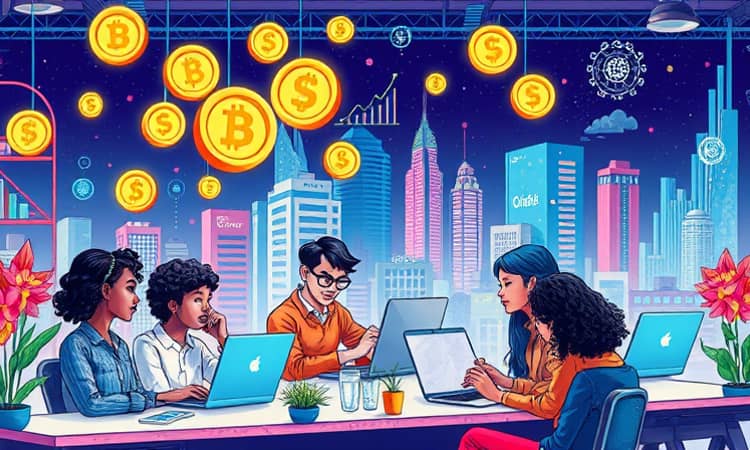
The world of work is undergoing a seismic shift, with the creator economy emerging as a powerhouse of innovation and income.
This dynamic sector is now valued at a $200–250+ billion market, projected to soar to nearly half a trillion dollars by 2027.
With over 200 million creators worldwide, it represents one of the fastest‑growing self-employment segments in history.
As traditional jobs evolve, creators are redefining what it means to earn a living.
They blend creativity, technology, and entrepreneurship into new career paths.
This article delves into the financial realities and solutions shaping this future.
The Dawn of a New Workforce
Creators are no longer just influencers; they are a distinct labor class driving marketing, media, and commerce.
The market's explosive growth is set to continue, with long-term projections reaching $1.18 trillion by 2032 at a 24.6% CAGR.
This growth is fueled by brands shifting budgets from traditional ads to creator marketing.
Investments in this area have increased by 171% year-over-year, highlighting its importance.
Key drivers of this expansion include:
- Rising demand for authentic, user-generated content.
- The integration of social commerce, projected to be worth $2 trillion by 2026.
- Technological advancements that lower barriers to entry.
Creators are becoming essential partners for brands across various industries.
This trend underscores their role in the future of digital labor.
The Reality of Creator Income
Despite the booming market, income distribution is highly skewed and unstable.
The top 10% of creators earn an average of $48,500 per month, while many struggle to make a living wage.
About 57% of full-time creators earn below a living wage from platform revenue alone.
This disparity highlights significant financial instability in the creator economy.
Income is often irregular and dependent on volatile sources like brand deals.
Key financial pain points faced by creators include:
- Delayed payments from brands and platforms, causing cash flow issues.
- Lack of employer-sponsored benefits such as health insurance and retirement plans.
- Dependence on algorithm changes that can drastically affect visibility and income.
- High competition in a crowded and evolving market.
These challenges make financial planning difficult and risky for many creators.
Understanding these realities is crucial for developing effective solutions.
Diverse Monetization Models
Creators have multiple ways to monetize their content, but some models offer more stability than others.
Traditional revenue streams include ad revenue and brand deals, with 68.8% of creators relying on brand deals as their primary income source.
However, emerging models provide greater control and profitability for sustainable careers.
Here is an overview of key monetization methods used today:
- Ad Revenue: Platform ad sharing, but often unstable with low payout rates.
- Brand Deals: Influencer marketing, with investments growing rapidly but subject to market fluctuations.
- Digital Products: Courses and e-books offering 70–90% profit margins and scalability.
- Subscriptions: Paid communities for recurring revenue and fan engagement.
- Merchandise: Selling physical goods to monetize brand affinity.
- Live Streaming: Paid events that drive high conversion and interaction.
To compare these models, the table below summarizes their advantages and challenges:
Leveraging a mix of these models can help creators diversify their income streams.
This approach reduces dependence on any single source and enhances financial resilience.
Financial Challenges and Pain Points
Creators face unique financial hurdles that traditional workers often do not encounter.
Income volatility is a major issue, with earnings often spiky and unpredictable.
This makes budgeting, saving, and investing particularly challenging for independent creators.
Common financial struggles include:
- No access to safety nets like unemployment benefits or paid leave.
- Difficulty in securing loans or credit due to irregular income.
- High costs associated with content production and equipment.
- Vulnerability to platform policy changes that can overnight impact revenue.
These pain points underscore the need for tailored financial solutions.
Without proper support, creators risk burnout and financial insecurity.
Addressing these issues is key to fostering a sustainable creator economy.
Emerging Financial Solutions
Fintech is stepping up to address these gaps with innovative tools and services.
Solutions are emerging to provide stability, growth, and security for creators.
Key areas of development include income management, benefits, and investment opportunities.
Here are some promising financial solutions for creators:
- Income smoothing tools: Apps that help manage irregular cash flow and predict earnings.
- Benefits platforms: Offering health insurance, retirement plans, and other benefits for independent workers.
- Faster payment processing: Systems that reduce delays in brand and platform payouts.
- Tailored investment options: Financial products designed for creator revenue patterns.
- Debt and credit solutions: Loans and credit lines based on alternative income verification.
These tools empower creators to take control of their finances.
They bridge the gap between traditional employment benefits and the gig economy.
Adopting such solutions can lead to greater financial independence and peace of mind.
The Road Ahead: AI and Beyond
Technology is set to revolutionize the creator economy further, offering new opportunities and challenges.
AI tools are becoming essential, with $2 billion in VC funding going to AI-focused startups in 2025.
These tools speed up content creation and open new revenue avenues, acting as productivity multipliers.
Future trends that will shape the financial landscape for creators include:
- Social commerce integration: Projected to be worth $2 trillion by 2026, blending shopping with content.
- Web3 and tokenization: Using blockchain for memberships, royalties, and decentralized finance.
- Enhanced community monetization: Building loyal fan bases for long-term stability and direct support.
- AI-driven personalization: Tools that optimize content and monetization strategies based on data.
Creators must adapt to these changes to thrive in an increasingly competitive environment.
By leveraging new financial solutions and technologies, they can build sustainable and prosperous careers.
The future of work is here, and it is creative, dynamic, and full of opportunity for those prepared to innovate.
Embracing this evolution requires courage, flexibility, and a proactive approach to financial health.