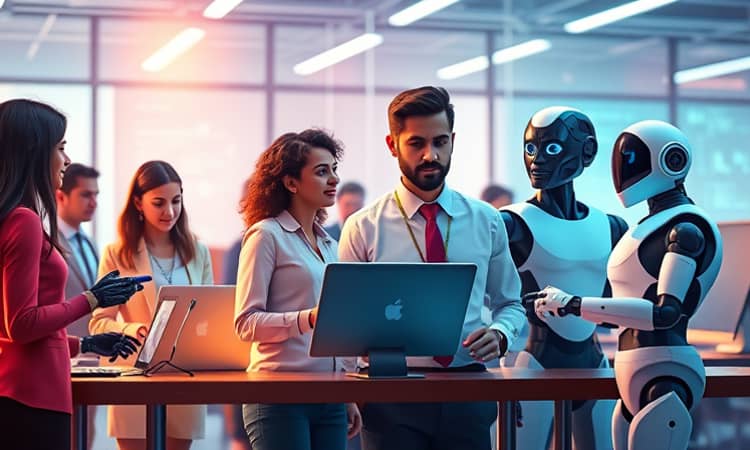
As we stand at the threshold of 2026, the landscape of work is in constant flux. Employers, policymakers, and individual contributors alike face the dual challenge of navigating economic headwinds while harnessing powerful technologies. This article offers a comprehensive roadmap to not only adapt but to seize the opportunities that lie ahead. By understanding shifting market dynamics and aligning personal and organizational strategies, readers can position themselves to thrive in the years to come.
Understanding Today’s Labor Market
The labor market is emerging from a period of contraction, with unemployment expected to peak at 4.5% in early 2026. Job growth has cooled, averaging losses of nearly 80,000 positions per month between 2024 and 2025. Beyond cyclical changes, structural challenges are reshaping labor supply.
We are witnessing demand weakness to structural labor supply constraints fueled by aging workforces, lower immigration rates, and discouraged prime-age workers. Participation rates among younger and older demographics continue to decline, adding complexity to workforce planning.
This snapshot underscores the need for agile strategies that blend data insights with human-centric leadership.
Embracing AI and Automation
Investment in artificial intelligence has surged, with 92% of companies planning to increase their AI spend over the next three years. Far from a threat, AI is rapidly evolving into a collaborative partner that augments human capabilities.
Professionals embracing AI tools are experiencing wage premiums averaging 56% over similar roles, reflecting a growing premium for digitally fluent talent. As AI automates routine tasks, workers can focus on creative problem-solving, strategic thinking, and relationship-building.
Recent surveys reveal that 42% of professionals anticipate significant changes to their roles within a year, yet one-third feel unprepared for that shift. Demand for AI-exposed positions is growing by 7.5%, even as overall job posts decline, underscoring a widening gap between emerging needs and existing skill sets.
To turn anxiety into advantage, individuals should cultivate both technical know-how and a growth mindset. Organizations must invest in reskilling programs and ensure equitable access to AI literacy across all levels.
Transforming Hiring and Talent Acquisition
The traditional hiring funnel is giving way to a skills are the new currency mindset. Credentials and degrees are no longer the sole predictors of success. Employers are prioritizing demonstrated abilities and potential for growth.
By adopting skills-first assessments and competency-based evaluations, companies unlock broader, more diverse talent pools and improve retention. As roles become more fluid, workforce composition is evolving:
- Full-time employees blending strategic expertise
- Freelancers delivering specialized projects
- Contractors scaling capacity on demand
- Fractional leaders offering high-level guidance
This polywork approach enables organizations to align skills and capacity precisely to business outcomes, while empowering individuals to chart dynamic career paths.
Cultivating a Resilient Workplace Culture
Workplace anxiety is on the rise, with 71% of employees expressing concerns over job security. Amid rapid technological change, many feel disoriented rather than disengaged.
Leaders must foster environments anchored in clarity, connection, and purpose. Structured career pathways and transparent communication help employees understand their roles in the organization’s vision. Regular check-ins and peer networks reinforce psychological safety and belonging.
By balancing efficiency initiatives with empathy-driven leadership, workplaces can become crucibles of innovation rather than corridors of uncertainty.
Navigating Hybrid and Flexible Work Models
Hybrid work has moved from pilot to mainstay. The ideal model offers employees deep focus and balance at home while leveraging in-office gatherings for brainstorming, mentoring, and social cohesion.
Yet policies remain fragmented, and tensions persist. Successful programs are those that:
- Define clear collaboration days aligned to team objectives
- Provide tools for seamless communication and project management
- Offer choice within guardrails to maintain fairness and accountability
By co-creating hybrid guidelines with employees, organizations can sustain engagement and drive productivity.
Investing in Employee Development
To thrive in a fast-moving labor market, individuals and organizations must embrace continuous learning. A strong digital presence, coupled with a robust skill portfolio, is the best safeguard against obsolescence.
Key areas of focus include:
- Artificial Intelligence and Machine Learning
- Data Analysis and Visualization
- Project Management and Agile Methodologies
- Cybersecurity and Digital Trust Principles
- Emotional Intelligence and Leadership Coaching
An integrated learning ecosystem that combines online courses, mentorship, and hands-on projects can accelerate skill acquisition and career growth.
Strategic Workforce Planning and Conclusion
Looking ahead, organizations must rethink how work is structured, not just who does it. AI-driven modeling and localized skill metrics are empowering HR and finance teams to forecast costs, identify gaps, and optimize headcount. Professionals should embark on a path defined by rich digital presence and continuous learning cycles to remain adaptable and competitive.
To close the skills gap and foster long-term alignment, consider these action steps:
- Map current competencies against future needs
- Invest in targeted reskilling initiatives
- Create internal talent marketplaces for role mobility
- Align performance metrics to value creation, not just activity
By embedding a culture of adaptability and continuous improvement, both companies and professionals can navigate economic uncertainties with confidence. Embracing technology, championing human potential, and grounding decisions in data will ensure that the future of work is not just sustainable, but truly transformative.