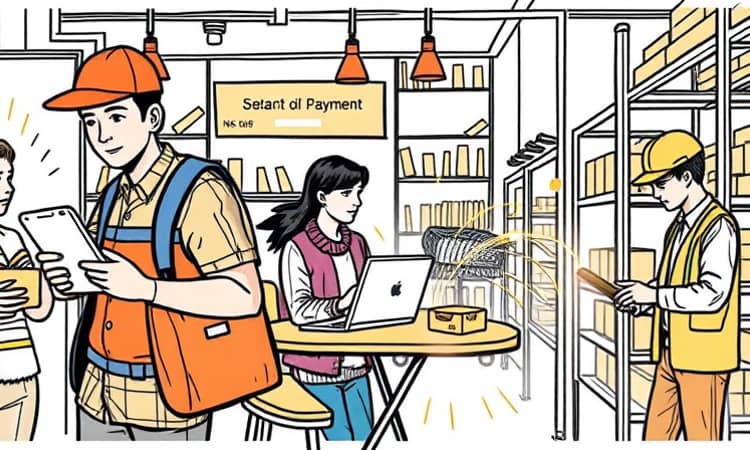
As the world of work transforms, so too must the way we pay, save, borrow and access financial services. In 2025, the rise of the flexible economy is reshaping life for millions of workers and employers alike.
The Rise of the Flexible Economy
One in three Americans now participates in gig, freelance, hybrid, remote or on-demand work—up from one in six just three years ago. This shift marks a transition from occasional side hustles to a core labor market structure at scale. Over 80 million people earn a living through hourly roles, many shifting to more adaptable scheduling models.
Flexible work spans a spectrum:
- Hourly shift platforms and temp/on-demand assignments
- Freelance and independent contracting engagements
- Remote, hybrid and asynchronous white-collar roles
- Part-time, job-sharing and project-based collaborations
As this flexible economy anchors itself, financial systems must evolve to meet its unique demands.
Why Flexibility Matters More Than Ever
Recent surveys reveal that over 70% of job seekers view flexible work arrangements as non-negotiable. Many are even willing to accept lower salaries in exchange for better mental health and family life. Flexibility now includes autonomy over hours, location independence, and tailor-made schedules aligned to personal needs. A 2024 study of hourly workers found that 77% prefer adaptable shifts, while only 12% cling to traditional nine-to-five roles.
To match these priorities, pay systems must be just as customizable:
- On-demand or instant wage access
- Choice of payment frequency and method
- Clear, transparent earning statements
- Tools for budgeting around irregular pay
Who Makes Up the Flexible Workforce?
Contrary to stereotypes, many flexible workers are highly educated and career-oriented. Sixty percent have some college experience or a degree, up from 40% in 2022. Over 60% cite skill development as a key motivator, while others seek skill development and varied work experiences. Nearly 69% prefer 40 hours or more, demonstrating that gig work can be the primary livelihood, not just a side gig.
High-demand sectors include hospitality, retail and warehousing, where nearly 90% of workers are open to in-person tasks. Yet, these skilled contributors expect professional financial products, not makeshift solutions.
Employers Embrace Flexibility as a Competitive Advantage
Two-thirds of U.S. firms now offer location flexibility, and fully flexible companies have achieved faster revenue growth compared to peers. From 2019 to 2024, they posted 1.7 times faster revenue gains, even after industry adjustments. Small businesses under 500 employees lead the charge, offering more freedom than large enterprises and helping secure and retain top talent.
As employers compete on flexibility, they must also refine how they compensate workers—prioritizing speed, transparency and fairness.
Shaping Fair Payments and Financial Services
To empower flexible workers, financial institutions and platforms should explore new offerings:
- Earned Wage Access for on-demand pay
- Digital banking with zero-fee accounts and budgeting tools
- Portable benefits and pension-compatible savings plans
- Micro-loans and credit products tailored to irregular incomes
By integrating these solutions, gig workers gain stability and autonomy, while firms attract a more committed and productive workforce. Imagine receiving your earnings minutes after clocking out, or saving automatically with every project completed—payments become a catalyst for growth, not a stress point.
Overcoming Challenges and Building Sustainable Models
Despite its promise, flexible work presents hurdles. Workers face income volatility and unpredictable hours, often lacking healthcare benefits, paid leave or retirement plans. Isolation and weak ties to traditional credit systems can exacerbate financial stress and mental health strains.
Employers, too, wrestle with balancing predictability and autonomy, ensuring fair wages, and navigating compliance across diverse worker types and geographies. A nuanced understanding of worker motivations is critical for retention and culture building.
Innovative platforms now bundle financial education, benefits marketplaces and community networks, fostering inclusive environments where every gig contributor feels valued and supported.
Looking Ahead: The Intersection of Work, Finance, and Policy
Legal frameworks are just beginning to catch up. Only 22% of economies globally guarantee flexible time arrangements, and a mere 12% allow both flexible hours and remote work by law. This patchwork risks deepening gender and age-based inequities.
Empowering women and older workers through gender equity and financial inclusion requires targeted policies and products—career guidance, reskilling programs, pension portability and income-smoothing services. If women matched men’s participation rates, global income per capita could rise by nearly 20%.
Demographic shifts underscore the urgency: ageing populations demand adaptable work models to integrate under-represented groups, from younger entrants to seasoned professionals seeking phased retirement. Flexible roles, backed by lifelong learning and skills-based hiring, can bridge labor-market gaps while fostering intergenerational collaboration.
Conclusion: Embracing a New Era of Work and Finance
The flexible economy is more than a trend—it’s a transformation. It offers freedom and fulfillment but also calls for redesigned financial systems that ensure stability, inclusion and growth. Platforms and policymakers must collaborate to weave payment rails, benefits structures and digital tools into a cohesive ecosystem.
By embracing fast and predictable payment systems, portable benefits and tailored credit, we can unlock the full potential of millions of flexible workers. The future of work and finance is one of empowerment, where every contributor can thrive, innovate and build a more equitable economy for all.