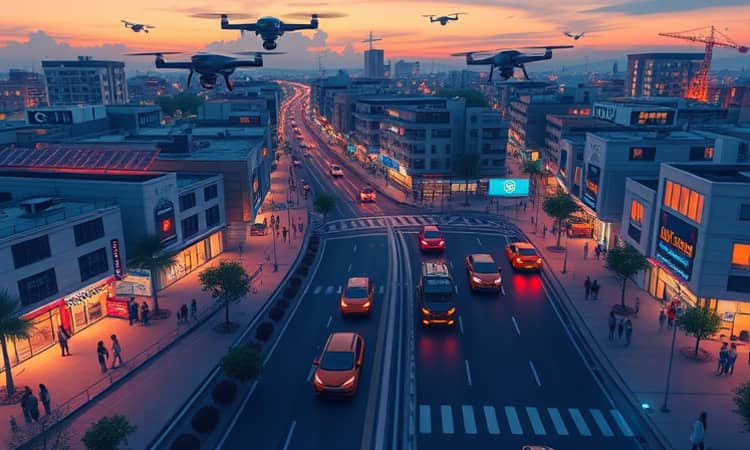
As we enter 2026, the world’s transportation ecosystem is undergoing an unprecedented transformation. From bustling urban centers to remote freight corridors, the convergence of electrification, autonomous technology, and smart infrastructure is redefining how people and goods move.
This article delves into the key drivers reshaping global mobility, explores actionable investment opportunities, and highlights strategies to navigate emerging challenges.
Major Trends Shaping Mobility in 2026
The next wave of mobility innovations centers on several intersecting trends. Stakeholders across industries must stay attuned to shifts in technology, policy, and consumer behavior to capitalize on new markets and drive sustainable growth.
Among the most critical developments are autonomous vehicles, electrification, AI integration, and revamped logistics networks. Each of these pillars not only contributes to environmental goals but also opens avenues for significant economic returns.
Autonomous Vehicles: From Pilot to Commercial Scale
Heavy-duty autonomous vehicles (AVs) are moving beyond limited trials into full-scale operations. Freight and logistics players are deploying driverless trucks in mining, port operations, and long-haul corridors, dramatically reducing labor costs and safety risks.
- FedEx reports savings exceeding $200 million annually through autonomous freight solutions.
- Amazon has achieved a 35% reduction in emissions by integrating AVs into its delivery fleet.
- Austin, Texas, now hosts a 21-mile sensor-equipped autonomous corridor for heavy trucks.
On the passenger side, robotaxis are scaling in metropolitan areas. V2X communication standards enhance roadway safety and traffic management, laying the groundwork for broader public acceptance.
Electrification and Alternative Fuels
Electric vehicles (EVs) now extend from light-duty cars to medium and heavy-duty fleets. Major cities across Europe and China mandate zero-emission bus purchases, driving rapid adoption of next-generation battery technologies such as lithium iron phosphate (LFP) and solid-state cells.
Innovations in charging infrastructure, including megawatt charging systems (MCS) for trucks and buses, wireless charging pads, and hydrogen fuel cells for extended ranges, address the twin challenges of range anxiety and high payload demands.
AI, Connectivity, and Smart Infrastructure
Artificial intelligence and edge computing are at the heart of intelligent transportation systems. Predictive maintenance platforms analyze real-time sensor data to preempt breakdowns, while AI-driven route optimization slashes fuel consumption and transit times.
Cellular V2X pilots, like Atlanta’s emergency response district, demonstrate how connectivity can grant priority access to first responders and optimize traffic flow during peak hours. Smart streetlights, adaptive signals, and integrated Mobility-as-a-Service (MaaS) platforms further enhance urban efficiency.
Innovations in Logistics and Freight
Addressing the chronic driver shortage, companies increasingly rely on autonomous trucks and delivery drones to maintain supply chain resilience. Data-driven logistics platforms enable dynamic pricing, real-time tracking, and route adjustments in response to unfolding events.
The integration of sustainability metrics into logistics planning ensures that environmental targets align with operational goals, creating a dual focus on profitability and planet-friendly practices.
Investment Opportunities Across Regions
Regional trade agreements and geopolitical shifts are redrawing supply chains. The US-Mexico-Canada Agreement, for instance, is evolving into a manufacturing hub that attracts cross-border investment in advanced vehicle components, battery production, and smart infrastructure.
Meanwhile, Europe’s rearmament efforts drive public spending on resilient infrastructure, benefiting local mobility startups and engineering talent pools. Investors should watch emerging hubs that combine favorable tax incentives and skilled labor to gain early-mover advantages.
Talent Mobility and Policy Dynamics
Global mobility is not only about vehicles and roads; it also hinges on the flow of talent. Europe’s aging demographics heighten the demand for high-skill workers, prompting governments to introduce visa incentives and hybrid work arrangements.
At the same time, evolving immigration policies—like the EU Entry/Exit System and ETIAS—pose compliance challenges for corporations. Approximately 25% of mobility professionals cite regulatory unpredictability as a primary obstacle to talent deployment.
Overcoming Barriers to Adoption
Implementation hurdles include high upfront costs for charging depots, the complexity of harmonizing vehicle regulations across jurisdictions, and concerns over data privacy in connected systems.
- Regulatory alignment and modular strategies help manage the pace of technology rollout.
- Partnerships between public agencies and private firms reduce capital risks and accelerate deployment of critical infrastructure.
- Phased integration plans ensure that legacy fleets and new technologies coexist during transition periods.
By adopting a balanced approach that combines fiscal incentives, targeted subsidies, and robust standards, stakeholders can mitigate risks and optimize returns on investment.
Voices from Industry Leaders
“AI is an enabler: it depends on how you use it. It must be used responsibly.” – Yukiko Watanabe, Delivery Hero
“Europe is aging; where is the younger workforce? Talent shortages will only get worse.” – Ania Pesta, Wilo
“We’re at the beginning of the second internet. Our life is going to look completely different.” – Michali Henig, HelloFresh
Charting a Sustainable Path Forward
As we chart the course for global mobility in 2026 and beyond, stakeholders must embrace a holistic perspective that integrates technology, policy, and human capital. Strategic investments in electrification, autonomous systems, and smart infrastructure can yield substantial environmental and economic benefits.
Whether you are a corporate leader, policymaker, or entrepreneur, the time to act is now. By aligning resources with the most promising trends, fostering collaborative partnerships, and upholding ethical standards, we can steer the transportation sector toward a future that is efficient, inclusive, and resilient.
Embracing these innovations not only means optimizing routes and reducing emissions but also unlocking new opportunities for communities across the globe. The journey toward smarter mobility is a collective endeavor—one that calls for vision, prudence, and unwavering commitment to progress.