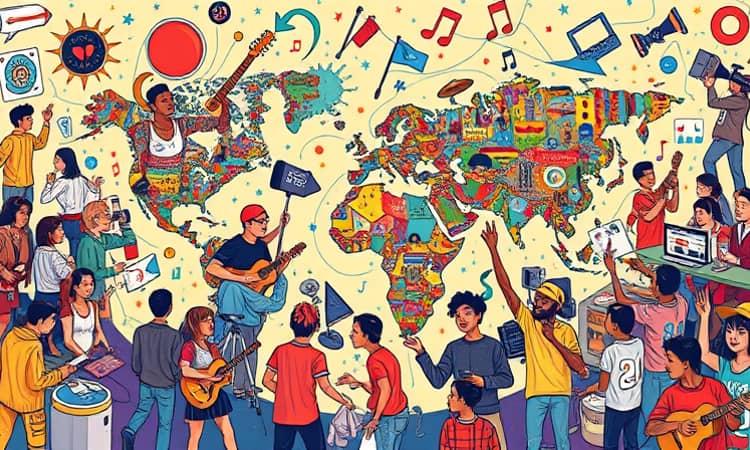
The creative economy has transformed into a multi-trillion dollar growth engine that shapes modern society. From visual arts and music to digital content and gaming, creative industries now account for a significant share of global economic output. In an age of rapid innovation, understanding this landscape is essential for artists, entrepreneurs, and policymakers alike.
By weaving together cultural heritage, technological progress, and entrepreneurial zeal, the global creative economy drives innovation, job creation, and cultural exchange. This article unpacks its definitions, scales its economic impact, and offers practical insights for those who wish to harness its potential.
Defining the Creative Economy
At its broadest, the creative economy includes performing arts, visual arts, publishing, design, fashion, architecture, advertising, gaming, software, and digital content. UNESCO estimates that this sector represents 3.1% of global GDP and employs 6.2% of the world’s workforce. The International Finance Corporation (IFC) places the revenue figure even higher, at $2 trillion, with a particularly strong effect on small business and youth participation.
Within the broad creative economy are three overlapping concepts:
- Cultural and Creative Industries (CCIs): Industries producing cultural goods and services, such as film, music, design, fashion, and crafts.
- Arts & Entertainment (E&M): The commercial subset focused on film, TV, streaming, music, gaming, and live events. In 2024, this segment reached US$2.9 trillion in revenue, growing 5.5% from the previous year.
- Creator Economy: Independent digital creators monetizing content on platforms like YouTube, TikTok, and Twitch. Valued at US$205.25 billion in 2024, it is on track to exceed US$1.3 trillion by 2033, driven by a 23.3% compound annual growth rate.
Macroeconomic Impact and Trade
Beyond cultural value, the creative economy delivers a powerful economic multiplier effect. IFC research suggests each dollar spent generates $2.50 in wider economic activity. In many advanced economies, CCIs contribute between 2% and 7% of GDP, employing roughly 50 million workers, half of whom are women.
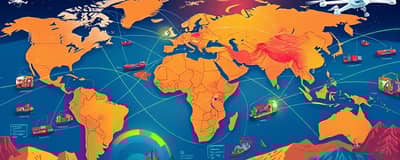
Global trade in creative services surged to $1.5 trillion in 2023, representing 19% of all services exports. However, participation remains uneven. High-income countries account for the lion’s share of exports, while emerging markets often face data gaps and infrastructure challenges.
The Rise of Arts & Entertainment
The arts and entertainment sector is the most visible face of the creative economy. According to PwC, global E&M revenues hit US$2.9 trillion in 2024, fueled by streaming, digital advertising, and technology partnerships. Video content (both short and long form) is expected to hold the largest market share, while music, propelled by streaming platforms, emerges as the fastest-growing segment.
Regional dynamics vary. North America leads in total revenue, but Asia-Pacific is the fastest-growing market, thanks to rising incomes, mobile penetration, and growing demand for localized content.
Spotlight on the Digital Creator Economy
Digital creators represent a new entrepreneurial frontier. Platforms such as Substack, Patreon, and OnlyFans empower individuals to monetize niches ranging from educational courses to performance art. This dynamic digital creator ecosystem encourages creativity without traditional gatekeepers.
Creators can adopt diverse revenue streams:
Regional Snapshots
While the United States dominates with $1.2 trillion in arts and culture output (4.2% of national GDP), other regions show divergent strengths and growth paths:
United States: Arts and cultural activities grew more than twice as fast as the overall economy between 2022 and 2023, employing 5.4 million people across 2 million businesses.
Africa: Contributed 1.5% of global creative output in 2023, yet posted a 13.9% growth rate in its cultural and creative industries. With one-third of the world’s youth by 2050, the region’s potential remains enormous.
Asia-Pacific: The fastest-growing market for both E&M and creator activity, buoyed by unprecedented mobile internet expansion and digital payment adoption.
Strategies for Creators and Policymakers
To harness this growth, stakeholders should focus on capacity building, infrastructure, and inclusive policies:
- Invest in digital platforms and training to bolster creative skill development.
- Promote public-private partnerships that support small creators and cultural institutions.
- Implement equitable copyright frameworks to protect artists and fuel innovation.
- Offer targeted grants, microfinancing, and tax incentives for emerging creative businesses.
- Encourage cross-border collaboration to expand market access and cultural exchange.
Conclusion and Outlook
The creative economy now stands as a core driver of global growth, trade, and employment. As technology and cultural entrepreneurship converge, opportunities multiply for creators, investors, and communities. By embracing innovation, fostering inclusion, and building robust ecosystems, we can ensure that arts and entertainment continue to enrich lives and economies around the world.