The evolution of carbon markets is more than a financial story—it is a beacon of hope for our planet. By assigning value to emissions, we can spur innovation, protect communities, and ensure a sustainable legacy.
Market Overview and Growth Projections
In recent years, the global carbon credit trading platform market has gained unprecedented momentum. Valued at USD 199.16 million in 2025, analysts forecast it to reach USD 1,272.11 million by 2034, growing at a CAGR of 23.47%. This rapid expansion underscores the critical role that carbon pricing plays in corporate and national strategies.
The broader carbon credit market tells an equally compelling story. From an estimated USD 114.3 billion in 2025, it is projected to climb to USD 482 billion by 2035 at a CAGR of 15.9%. Meanwhile, the voluntary carbon offset market is set to soar from USD 2 billion in 2022 to USD 100 billion by 2030, and further to USD 250 billion by 2050. These figures reflect an urgent desire among businesses and individuals to take responsibility for their footprint and invest in high-quality projects.
Carbon Pricing Trends and Outlook
The European Union Emissions Trading System (EU ETS) has become a bellwether for global pricing. Currently trading at 84.2 EUR per ton of CO₂, prices are expected to hit 100 EUR by the end of 2026. This is driven by a supply deficit of approximately 180 million tons year over year, as caps tighten and free allocations diminish.
Despite this bullish trend, prices remain sensitive to external factors such as geopolitical shifts, weather extremes, and trade policies. For instance, any resolution of the Russia-Ukraine conflict could lower energy costs and dampen carbon prices. On the other hand, new demand from initiatives like CORSIA in aviation, adding 78 million tons in 2026, ensures that the market retains robust foundations.
Regional Dynamics and Drivers
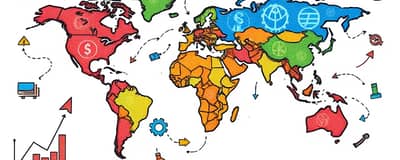
Different regions are charting unique pathways in carbon trading, reflecting diverse priorities and regulatory landscapes. Understanding these dynamics helps stakeholders tailor their strategies and maximize impact.
Economic Impacts and Growth Dynamics
Assigning a cost to emissions inevitably affects economic indicators. Price shocks tend to raise energy costs, leading to temporary dips in output, higher unemployment, and increased consumer prices. However, these impacts are often offset by persistent emission reductions and a surge in low-carbon patents.
Revenues generated from carbon pricing can be reinvested into social safety nets, green infrastructure, and research. By channeling funds toward vulnerable populations and innovation, governments can mitigate adverse effects and ensure an equitable transition.
Supply, Demand, and Integrity Trends
The year 2026 will be defined by a focus on credit quality over sheer volume:
- Supply tightening through reduced free allocations and auction cutbacks.
- Expansion of ICVCM Core Carbon Principles, doubling retirements to 7%.
- Surge in high-integrity credits like REDD+, ARR, and biochar.
- Formalization of procurement practices among leading corporations.
Opportunities for Stakeholders
Every actor in the carbon market can find a role and reap benefits. By aligning strategies with evolving trends, organizations can unlock both economic and environmental gains.
- Businesses: Integrate carbon pricing into decision-making to accelerate green innovation and build consumer trust.
- Policy Makers: Design stable frameworks that balance supply constraints with market liquidity.
- Investors: Channel capital toward verified high-impact projects and nature-based solutions.
Conclusion: A Call to Sustainable Action
As carbon markets scale new heights, they illuminate a path toward a resilient, low-carbon future. Stakeholders who embrace quality, innovation, and collaboration will drive transformative change.
Our generation has the chance to harness economic forces for the planet’s benefit. By placing a fair price on emissions, we can unlock trillions in climate finance, protect vulnerable communities, and foster a world where growth and sustainability walk hand in hand.