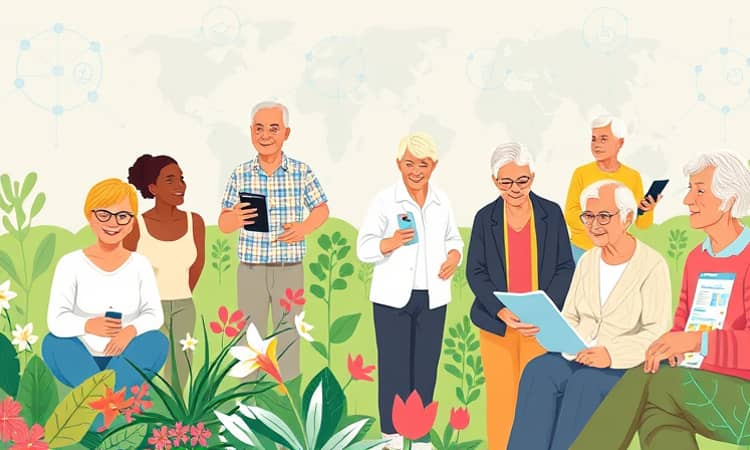
The world stands at a transformative crossroad as the proportion of older adults climbs to unprecedented levels. By 2050, nearly one in six people will be over age 65, reshaping societies, economies, and personal lives alike. Understanding this demographic shift is critical to crafting solutions that foster dignity, health, and financial security across the lifespan.
From bustling city centres to remote villages, the faces of ageing communities grow more familiar. Grandparents raising grandchildren, retired professionals launching second careers, and seniors volunteering in schools are everyday signs of a demographic renaissance that demands creativity and compassion. This article explores the emerging challenges of global ageing and presents practical, inspiring pathways to build resilient healthcare systems and robust wealth management strategies.
Demographic Evolution and Projections
Global population ageing accelerates as fertility rates decline and life expectancy rises. In 2023, 1.1 billion people were aged 60 or older, a number projected to reach 1.4 billion by 2030 and 2.1 billion by 2050. Those aged 80 and above will triple in worldwide count, climbing to 426 million. Such growth foreshadows a profound shift in dependency ratios and resource allocation.
Regions differ in pace and scale. Europe will host the largest share of seniors by mid-century, but low- and middle-income nations will accommodate 80% of older populations by 2030, often with fewer social protections. In England, those aged 65+ already make up 19% of the population; projections suggest they will be 26% by 2065, even as younger cohorts contract. Across the globe, median ages are rising, with the midpoint age at 30.9 years in 2025.
The long-term forecast points to a world where people aged 65 and over outnumber children under 18 by the late 2070s. Planners, families, and policymakers must anticipate this inversion, designing infrastructure, housing, and social policies that support intergenerational solidarity rather than strain it.
Families and communities face shifting caregiving dynamics. With fewer children per household, older adults often depend on professional care or community programs, prompting the need for innovative social models that blend tradition and modern support systems.
Healthcare Challenges and Opportunities
Aging populations place increasing demands on healthcare systems, requiring more chronic disease management, long-term care, and supportive environments. Many nations feel the strain on budgets and staffing as they attempt to balance acute care with preventive services. The double burden of infectious and non-communicable diseases in low-income settings further complicates planning.
The WHO’s Decade of Healthy Ageing initiative emphasizes creating age-friendly environments and integrated care models. Community centers offering exercise, nutrition counseling, and social activities have proven to reduce isolation and lower hospital admissions. Telemedicine solutions connect rural seniors with specialists, while home-monitoring technologies deliver personalized reminders and emergency alerts.
Investing in healthy ageing not only improves quality of life but also yields economic returns. Studies suggest a 0.4% boost to global GDP through 2050 by reducing disability rates and healthcare costs. Private and public sectors can partner in pilot programs, sharing data and resources to scale successful interventions and empower older adults to remain active contributors.
Workforce development is equally vital. Training allied health professionals in geriatrics, fostering gerontechnology startups, and integrating AI for predictive diagnostics help systems stay ahead of growing demand.
Wealth Management in an Aging World
Extended lifespans upset traditional assumptions of retirement planning. As individuals anticipate 30 or more years beyond the workforce, financial advisors must address longevity risk, inflation, and care expenses. Fear of outliving assets drives demand for innovative vehicles that blend growth, income, and protection.
Beyond numbers, case studies show that clients who adopt holistic financial and care strategies report greater confidence and reduced stress. Digital platforms that integrate investment tracking, insurance reviews, and care coordination tools enable families to make informed choices and pivot swiftly as needs evolve.
Financial products such as deferred income annuities, longevity bonds, and robo-advisors tailored for retirees are gaining traction. These instruments offer predictable income streams and automated portfolio adjustments, aligning with clients’ evolving risk profiles.
Policy Pathways and Stakeholder Engagement
Comprehensive ageing strategies require collaboration across sectors. Governments must enact policies that incentivize savings, support informal caregivers, and finance community-based care. Employers can offer phased retirement, flexible hours, and health benefits that accommodate older workers’ needs.
- Enhancing age-friendly public infrastructure and accessible transportation.
- Offering tax incentives for long-term care insurance and family caregiving.
- Implementing auto-enrollment and auto-escalation schemes in retirement plans.
- Supporting digital literacy programs to connect seniors with telehealth services.
Financial institutions are innovating with platforms that guide clients through accumulation and decumulation phases. Cross-industry partnerships—combining banks, insurers, tech firms, and community organizations—can create ecosystems where intergenerational solidarity and shared resilience thrive.
International cooperation, through forums like the UN and WHO, facilitates knowledge sharing and resource mobilization. Countries can adapt best practices from regions with mature ageing strategies, accelerating progress and avoiding common pitfalls.
Regional Perspectives and Future Outlook
National contexts shape the pace of ageing and resource readiness. In the United States, 65+ populations numbered 61.2 million in 2024 and are expected to reach 23% by 2050. England’s 11 million seniors now represent 19% of residents, a proportion set to grow to 26% by 2065. Conversely, many low- and middle-income countries will see younger demographics today but must ready their health and pension systems for swift transitions.
Urban centers, buoyed by migration of working-age adults, often mask nationwide ageing trends. Yet as younger cohorts shrink and older ones expand, talent shortages and caregiving gaps may intensify. Ensuring equitable access to healthcare and financial products will require tailoring solutions to diverse cultural, economic, and geographical realities.
Asia faces the world’s fastest ageing rates, with Japan and South Korea at the forefront. Latin American cities adapt housing and transit for older residents, while several African nations explore community health worker models to deliver care in remote areas.
Conclusion: Building a Resilient Future
The global ageing trend presents both profound challenges and transformative opportunities. By prioritizing integrated care and financial resilience, societies can ensure that added years translate into lives of purpose, productivity, and joy. Governments, industry leaders, and communities must unite to craft adaptable policies and services that honor the dignity of every stage of life.
Moving forward, fostering intergenerational partnerships, investing in technology-driven care models, and advancing inclusive financial tools will be critical. The Tapestry of Tomorrow weaves young and old together, creating a shared path of strength and compassion. The time to act is now—let us shape a world where lifespan extension delivers not only quantity, but quality for all.
At an individual level, planning early—both for health and finances—empowers people to shape their futures. Embracing lifelong learning, maintaining social connections, and engaging in preventive health measures are steps everyone can take today to reap rewards decades hence.