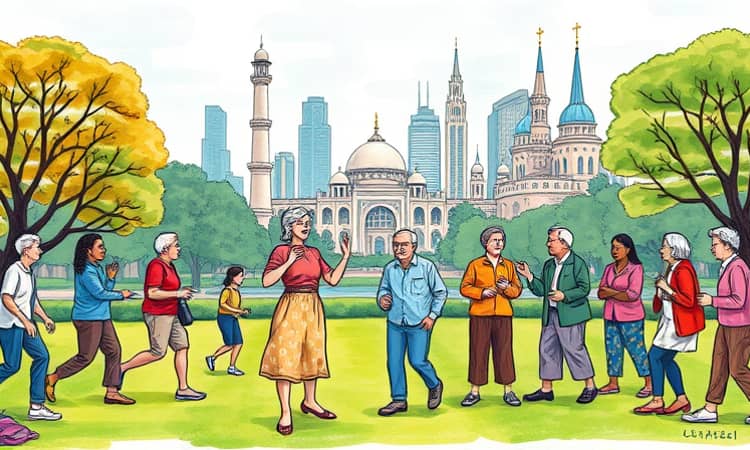
Across continents and cultures, the world is witnessing an unprecedented demographic transformation. As societies adapt to longer lives and lower birth rates, innovative strategies are essential to ensure health, financial security, and community cohesion for older citizens.
By understanding current trends, addressing systemic challenges, and empowering individuals, we can craft a future where aging is not a burden but an opportunity for growth.
Understanding Global Demographic Shifts
The pace of population aging is staggering. Today, 1 in 6 people worldwide are aged 60 or older, a figure projected to reach 1.4 billion by 2030. By 2050, that cohort will double to 2.1 billion, and those aged 80+ will triple to 426 million.
Low- and middle-income nations will host two-thirds of older adults by mid-century, challenging societies that may lack resources for elder care.
- In Japan, over 30% are above 60, and by 2050 there will be nearly two retirees for every three working-age adults.
- South Korea’s 65+ share has jumped from 7% to 20% in just two decades, with 50% expected by 2062.
- The EU’s median age will climb from 44.7 (2024) to 50.2 by 2100, while its population dips to under 420 million.
Addressing Healthcare Challenges
Longer life expectancy—now 73.3 years globally—brings picture of wellness and of complex care needs. An aging populace demands expanded services, from chronic disease management to mental health support.
WHO regions and national governments are rolling out Healthy aging plans that emphasize prevention, early detection, and community-based care. Programs in Italy and Slovakia, for instance, have added up to four years of healthy life expectancy in the past decade.
Urbanization and smaller families strain traditional caregiving models. To bridge gaps, telemedicine, mobile clinics, and integrated primary care networks are essential.
Reforming Pension Systems for the Future
Fewer contributors supporting more retirees creates fiscal stress worldwide. In many OECD countries, age-related public spending could rise by 6.5% of GDP by 2060. Informal workers, often excluded from formal pensions, face heightened vulnerability.
To sustain systems, governments are enacting innovative pension reform strategies including eligibility changes, contribution formulas, and indexation policies.
These adjustments aim to balance adequacy and sustainability while encouraging longer workforce participation.
Innovative Policy Solutions and Social Implications
Countries are adopting a blend of fiscal and non-fiscal measures. Hikes in retirement age, automatic indexation, and gradual shifts to defined-contribution schemes help curb deficits.
At the same time, shrinking workforce pressures systems to rethink employment norms. Policies promoting lifelong learning and flexible work arrangements enable older adults to remain productive.
- Delayed retirement incentives, such as bonus accrual rates, reward extended careers.
- Reskilling initiatives prepare seniors for digital and remote roles.
- Gender-inclusive labor reforms aim to close pay gaps and boost women’s participation.
- Intergenerational housing and community programs foster solidarity.
Empowering Communities and Individuals
While systemic reforms are vital, personal agency and community engagement amplify impact. Older adults can build resilience through proactive planning and social connection.
By embracing healthy lifestyles, financial literacy, and purposeful activities, individuals fortify their well-being and contribute to society.
- Start financial planning early: diversify savings across pensions, investments, and social programs.
- Adopt regular exercise and balanced nutrition to maintain mobility and health.
- Engage in lifelong learning: digital skills, language classes, and community workshops.
- Volunteer or mentor younger generations to foster intergenerational solidarity and equity.
Looking Ahead: Technologies and Equity
Emerging technologies—AI-driven diagnostics, wearable health monitors, and blockchain-based pension tracking—promise efficiency and transparency. Yet, digital divides persist, especially in low-income regions.
Bridging these gaps requires robust public-private partnership models that invest in infrastructure, training, and inclusive innovation.
Ultimately, a balanced approach of policy reforms, technological adoption, and community empowerment can transform aging from a global challenge into an era of opportunity. By fostering flexible retirement models and incentives and nurturing vibrant older communities, we secure a future where longevity is celebrated and every generation thrives.