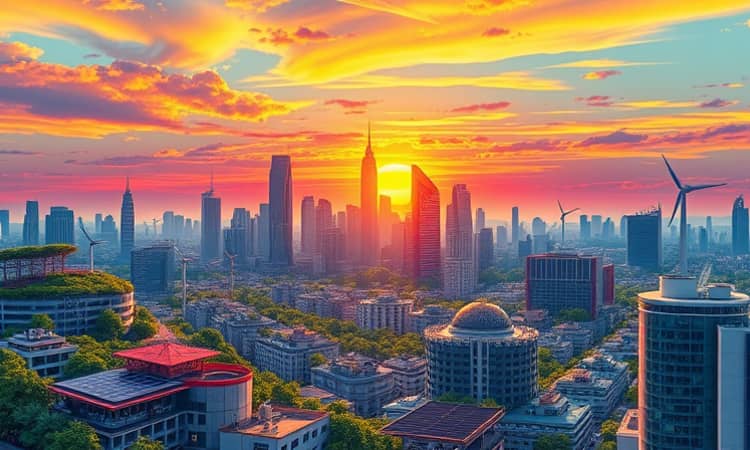
Our planet stands at a crossroads. Rapid urbanization, rising carbon emissions, and aging structures demand a transformative approach to how we build and maintain the spaces we inhabit. Sustainable infrastructure is more than an environmental buzzword—it is the foundation for resilient communities and thriving economies.
By prioritizing designs that minimizes environmental impact and carbon footprint, we can ensure that roads, bridges, and energy systems meet today’s demands without compromising future generations. This article explores definitions, investments, impacts, and innovations driving a global shift toward a greener tomorrow.
What is Sustainable Infrastructure?
Sustainable infrastructure refers to the development of physical systems—transportation networks, energy grids, water management, and urban spaces—that balance immediate human needs with long-term resilience. At its heart, it enhances community resilience and social inclusivity by integrating economic growth with environmental stewardship.
Key characteristics include green buildings, smart grids, climate-adaptive water management, and sustainable transportation. Incorporating circular economy practices and renewable energy reduces waste and maximizes resource efficiency. Each project focuses on durability, adaptability, and low lifecycle costs.
Bridging the Investment Gap
Despite clear benefits, the global annual investment gap in sustainable infrastructure stands at $6.9 trillion. Projections estimate:
Addressing this gap unlocks financial resilience. Under a net-zero scenario, sustainable projects deliver over 20% higher cumulative returns than traditional infrastructure. Lower capital costs, reduced insurance premiums, and wider access to green bonds and impact funds make these investments increasingly attractive.
Environmental and Social Benefits
Transitioning to sustainable infrastructure can slash global carbon emissions by 3.7 gigatons of annual CO₂ reduction over the next 15 years. Decarbonizing energy and transport systems is central to climate action, with clean power capacity growing rapidly worldwide.
- 81% of new power capacity in 2023 was cheaper than fossil fuels
- Over 90% of new installations in 2024 were renewable
- Global investment in clean energy is double that of fossil fuels
Beyond environmental gains, social dividends are profound:
- Improved water, sanitation, and transport access in emerging regions
- Enhanced resilience to climate disasters through flood-resistant design
- Reduced inequalities and fostered inclusive growth
Economic and Employment Opportunities
The green transition is job-rich. The renewable energy sector alone could expand from 2.3 million to 20 million jobs by 2030. Across construction, engineering, urban planning, and digital services, infrastructure renewal drives significant job creation in construction and engineering.
Modernizing aging road networks, utilities, and public transport is crucial for sustaining productivity and competitiveness. Governments and private investors alike are recognizing sustainable infrastructure as a key pillar of emerging green economies.
Global Trends Shaping the Future
Several macro trends are propelling sustainable infrastructure forward. The clean energy transition accelerates as technology costs fall and renewables outperform fossil fuels. Rapid urbanization—projected to see 70% of people living in cities by 2050—fuels demand for climate-resilient, sustainable urban infrastructure that can withstand extreme weather and population pressures.
Digital transformation plays a pivotal role. Smart grids, 5G-enabled monitoring, and digital tools for planning and monitoring optimize resource use and risk management. Meanwhile, circular economy models aim to reclaim materials and cut emissions by up to 45% globally.
Inspiring Projects from Around the World
Across continents, visionary projects demonstrate what is possible when sustainability is prioritized:
- Masdar City (Abu Dhabi, UAE): Zero-carbon district powered by renewable energy and traditional cooling designs
- Øresund Bridge (Sweden-Denmark): Combined rail and road link with energy-efficient lighting and recycled materials
- One Central Park (Sydney, Australia): Vertical gardens with heliostats for natural light and sustainable construction
- CopenHill (Copenhagen, Denmark): Waste-to-energy plant crowned by a ski slope and hiking trail
- The Bullitt Center (Seattle, USA): Regenerative building meeting the Living Building Challenge
- Eden Project (UK): Geodesic biomes showcasing renewable-powered ecosystems
Frameworks and Standards Driving Progress
Robust frameworks ensure consistency and credibility. The FAST-Infra Label, launched at the World Economic Forum 2025, certifies projects for sustainability and resilience. The Envision framework guides planners on materials, energy, water, ecology, and emissions.
Investors increasingly integrate ESG criteria into decision-making, reducing greenwashing and harmonizing performance metrics. Sustainability-linked loans and green bonds now command significant market share, channeling capital toward transformative projects.
Looking Ahead: Opportunities and Challenges
The path forward brims with promise. Green finance innovations, digital infrastructure, and circular solutions will drive a new era of prosperity. Yet, critical challenges remain: closing the investment gap, harmonizing global standards, and scaling InfraTech adoption to meet escalating demands.
By aligning public policy, private capital, and community action, we can build an infrastructure ecosystem that not only endures but thrives—laying the groundwork for a resilient, inclusive, and sustainable global tomorrow.
Conclusion
Achieving a truly sustainable infrastructure landscape requires bold vision, collaboration, and innovation. As stakeholders across sectors unite behind shared frameworks and financing models, we move closer to a future where every bridge, building, and grid reflects our collective commitment to the planet and its people.