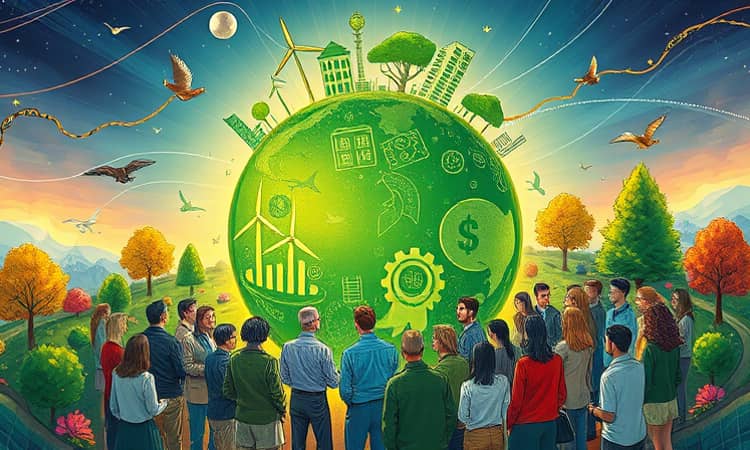
In an era marked by profound environmental and social challenges, how we steward wealth can shape the future of our planet. This comprehensive guide unites data-driven insights, proven strategies, and heartfelt mission to help you optimize your portfolio for collective prosperity.
Market Momentum and Sustainable Assets
The sustainable investment landscape has grown into a powerhouse, with $6.6 trillion of sustainable assets held within the US market. Representing 11% of total market assets, these figures underscore a maturing yet dynamic sector that demands attention.
Active stewardship is also on the rise, as 69% of the US market AUM now falls under a dedicated stewardship policy. This shift reflects growing recognition among investors that sustainable practices can yield both ethical and financial rewards.
Despite mixed sentiment—only 53% of individuals expect growth in the sustainable market over the next year—the majority of asset owners (86%) across North America, Europe, and Asia Pacific plan to increase allocations to sustainable investments.
- Climate change (52%)
- Client-driven customized investing (41%)
- Severity and frequency of catastrophic climate events (38%)
- Loss of biodiversity (34%)
- Food insecurity (24%)
- Artificial intelligence impact assessment (23%)
These drivers reveal the motivations behind transformative capital flows. Whether guided by environmental urgency, client demand, or technological innovation, investors are aligning portfolios with a vision of long-term resilience.
Integrating Values into Your Portfolio
Values-based investing has leaped into the mainstream, propelled by a desire for more than mere financial returns. Investors now seek opportunities that promote fair treatment of employees, champion diversity and inclusion, and demonstrate transparent governance.
ESG integration stands as the primary approach for 77% of investors. Yet, language is evolving: one in four investors has dropped the ESG acronym to emphasize substance over terminology, focusing instead on measurable impact.
Looking ahead to 2026–2029, investors expect the strongest growth in impact investing (46%), sustainability-themed strategies (43%), and continued ESG integration (38%). These projections highlight a shift toward portfolios that blend financial performance with positive social and environmental outcomes.
Portfolio Diversification and Risk Management
Smart stewardship demands a balanced, agile approach to diversification. By combining sectors, styles, and income sources, investors can navigate uncertainty and seize opportunities.
- sector rotation across key industries—technology, healthcare, energy, and consumer goods
- Balancing growth equities with stable dividend payers
- Income-focused allocations to bonds and dividend stocks
- Active rebalancing on a quarterly basis
This disciplined methodology ensures portfolios remain aligned with evolving economic cycles and risk factors.
Thematic Focus for Lasting Impact
To drive meaningful change, thematic investing channels capital toward specific global challenges. Climate and adaptation receive top priority, with transition investing funneled into high-emissions sectors like energy and transport.
Private biodiversity finance, though underfunded, holds immense potential. An estimated $1 trillion annual funding gap exists, yet nature-positive transitions could unlock $10.1 trillion in value over time. Investors can tap into green bonds, alternative strategies, and direct forestry investments to bridge this gap.
Labor-aware investing emerges as a crucial theme, emphasizing worker welfare and human capital development. Recognized as “the most important theme that not enough people are talking about,” labor-aware strategies reward companies that invest in their workforce.
Additionally, emerging issues like Indigenous Peoples’ rights, migration, and AI impact assessments are gaining traction. These topics underscore the interconnected nature of social, environmental, and technological factors shaping global well-being.
Planning for Retirement and Healthcare in 2026
As lifespans extend, retirement planning must evolve beyond simple savings targets. Modern strategies incorporate scenario modeling for decades of living, travel aspirations, and philanthropic goals.
Healthcare cost planning is equally vital. Investors are exploring health savings accounts, long-term care insurance, and tailored private health plans to safeguard their wellness and financial security in later years.
By integrating sustainable investing principles into retirement portfolios, individuals can align their long-term goals with global impact, ensuring their legacy extends beyond personal wealth to societal progress.
Embracing Technology and Blended Finance
Technology is a cornerstone of smart stewardship. AI-powered planning tools and analytics are reshaping wealth management, enabling personalized, tax-efficient strategies that adapt to shifting market conditions and individual values.
Meanwhile, blended finance models offer pathways to unlock private capital for public good. The SCALED initiative’s push to standardize blended finance vehicles promises to accelerate investments into critical development areas, from sustainable infrastructure to nature-based solutions.
Regulatory landscapes are also evolving. Net-zero commitments remain robust despite political headwinds, and the relaunch of the Net Zero Asset Management initiative will reinforce accountability and transparency.
Policy catalysts, such as green tax incentives and improved data transparency, can further amplify capital flows toward sustainable outcomes. By staying informed of emerging regulations and incentives, investors can position themselves at the forefront of global stewardship.
Transforming Vision into Action
Smart stewardship is not a passive endeavor; it is an active commitment to shaping a healthier planet and more equitable society. To translate vision into action, investors can:
- Set clear, measurable sustainability goals with interim targets
- Leverage a combination of public and private capital for blended finance
- Monitor progress through rigorous impact metrics and disclosures
- Engage with companies and policymakers to drive systemic change
By adopting these frameworks, wealth creators become stewards of global well-being, ensuring that their financial journeys contribute to long-term prosperity for all.
Smart stewardship blends data, purpose, and foresight. As you align your investments with higher aspirations, you become part of a transformative movement—one where wealth serves as a catalyst for enduring positive change.
Together, we can optimize wealth for a world that thrives. Your portfolio is more than a balance sheet; it is an instrument of hope, resilience, and collective progress.