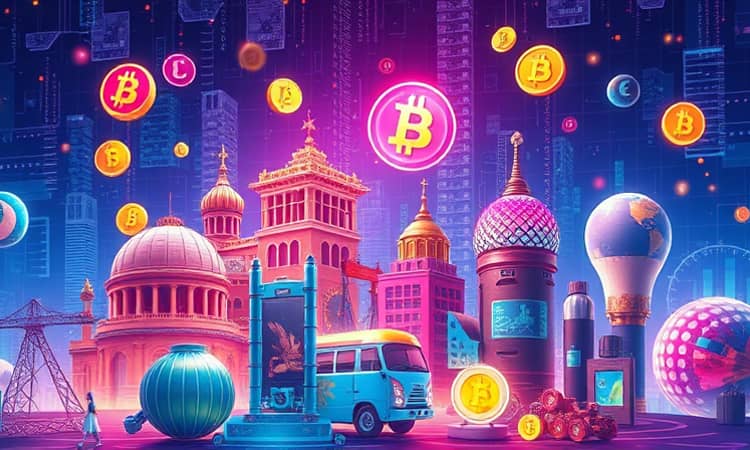
Imagine a world where ownership of a skyscraper, a masterpiece of art, or a parcel of farmland can be bought, sold, and settled in seconds, around the clock.
That vision is no longer science fiction—it’s being realized through real-time asset tokenization, a transformative technology that bridges traditional finance and blockchain innovation to unlock liquidity from illiquid assets.
The Dawn of a New Financial Era
At its core, asset tokenization converts tangible and intangible holdings into programmable digital tokens on a blockchain.
These tokens represent fractions of real-world assets, enabling near-instant settlement, 24/7 trading and transparent ownership records. By embedding legal and compliance protocols directly into smart contracts, tokenization slashes manual processes and minimizes counterparty risk.
How Tokenization Unlocks Liquidity
Traditional markets often require full asset sales, lengthy settlement cycles, and limited trading windows. Tokenization shatters these barriers by:
- Creating vibrant secondary markets on decentralized exchanges
- Enabling fractional ownership to attract global investors
- Providing continuous, 24/7/365 market access
Investors can now purchase a slice of a Manhattan office tower or own a fraction of a renowned artist’s painting without needing millions of dollars upfront. This democratization fosters global retail and institutional participation.
Driving Operational Efficiencies and Reducing Costs
By automating compliance, custody, and settlement, blockchain streamlines processes that once involved brokers, custodians, and clearinghouses.
Real-world examples illustrate the impact: Santander’s tokenized bond issuance cut administrative expenses by automating KYC/AML checks and dividend distributions via smart contracts.
- Lower transaction fees through peer-to-peer trading
- Automated dividend and interest payments
- Single source of truth resistant to fraud
The result is reduced friction and faster settlements, unlocking capital that would otherwise lie dormant during extended clearing cycles.
Transparency, Security, and Trust
Immutable ledgers ensure every token’s provenance and transaction history is permanently recorded and publicly verifiable.
This transparency is a game-changer for assets like diamonds, art, and collectibles, where origin and authenticity are paramount. Platforms such as Everledger track gemstone lineage on-chain, vastly reducing the risk of fraud.
Regulators and investors gain real-time visibility into asset flows, strengthening trust and compliance across borders.
Innovative Financing and Portfolio Transformation
Tokenization enables novel funding models:
- Using tokens as collateral in decentralized finance (DeFi) lending
- Issuing future revenue streams, carbon credits, or patent royalties
- Bridging TradFi and DeFi for seamless on-chain access
Portfolios become more resilient as investors diversify into previously inaccessible asset classes, from renewable energy credits to private equity slices.
With programmable assets and embedded governance rules, issuers can tailor interest payments, voting rights, and redemption schedules directly into the token code.
Comparative Benefits at a Glance
Real-World Use Cases
Tokenization has moved from pilot to production across multiple sectors:
- Real Estate: Commercial properties fractionalized for capital raising
- Bonds and Equities: Instant settlement and programmable coupons
- Fine Art and Collectibles: Shared ownership and verified provenance
- Renewables and Carbon Credits: Tokenized green assets for ESG funding
Institutions are embracing pilot programs that demonstrate scalable operational ROI, proving the technology’s readiness for broad adoption.
Charting the Future of Finance
As infrastructure matures and regulatory clarity emerges, real-time asset tokenization will redefine capital markets.
Early adopters will gain competitive advantages through improved liquidity, enhanced transparency, and superior risk management. Investors, both retail and institutional, can look forward to a diverse array of tokenized offerings, from private debt to luxury assets.
By integrating these innovations, financial participants carry the torch into a future where assets are no longer bound by legacy constraints—and where global liquidity flows freely.
Now is the moment to engage with this disruptive force. Whether you’re an issuer, investor, or service provider, embracing tokenization can unlock new avenues of growth, efficiency, and trust. The era of real-time, borderless finance has arrived—will you seize the opportunity?