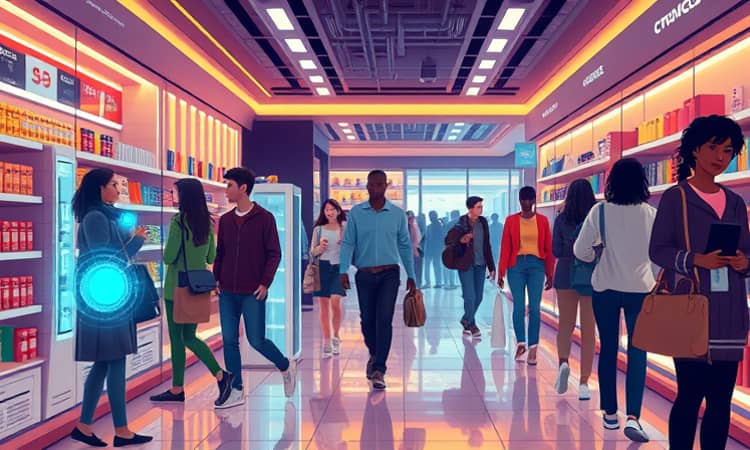
Invisible payments are ushering in a new era of retail and digital services where transactions happen so smoothly that customers barely notice the checkout process. This transformation is driven by cutting-edge technologies and changing consumer expectations.
What Are Invisible Payments?
Invisible payments are transactions that occur automatically in the background, requiring no active interaction—no tapping, scanning, or clicking. Unlike contactless payments, which still demand explicit user action, invisible payments remove the need for any checkout step, truly blending into the customer journey.
This concept extends from ride-hailing apps like Uber and Lyft to cashierless stores such as Amazon Go, and even smart home devices that reorder household supplies without prompting.
Technologies That Power Invisible Payments
The magic behind invisible payments relies on a combination of hardware, software, and data security innovations:
- IoT sensors and cameras detect movement, item selection, and usage in physical spaces.
- Biometric authentication including facial recognition and fingerprint scanning to confirm identity silently.
- Tokenization and encryption for secure payment credential transmission and storage.
- Embedded finance APIs integrate financial operations directly within apps and services.
- AI-driven fraud detection analyzes behavior in real time to prevent unauthorized transactions.
Real-World Examples and Case Studies
Leading brands are already showcasing the power of invisible payments in various sectors:
- Amazon Go: Shoppers pick items, exit the store, and receive a digital receipt—no checkout lines.
- Ride-hailing services like Uber automatically charge your linked card when the trip concludes.
- Subscription platforms such as Netflix and Spotify auto-charge recurring fees seamlessly each month.
- Smart refrigerators reorder groceries and trigger payments when supplies run low.
Market Growth and Global Adoption
The invisible payments market is expanding at an astonishing pace, driven by consumer demand for speed and convenience, as well as merchant incentives to streamline operations.
By 2025, more than half of all global transactions are expected to occur via contactless or invisible payment methods, and the upward trend continues as retailers invest in state-of-the-art biometric authentication and sensor networks.
Key Benefits for Consumers and Merchants
- Frictionless shopping experience that eliminates queues and visible checkout steps.
- Enhanced brand loyalty thanks to convenience and time savings.
- Reduced operational costs by automating labor-intensive processes.
- Increased average basket size as customers are more likely to add extra items.
Security and Trust Considerations
While invisible payments promise convenience, security remains paramount. These systems employ robust multilayered encryption standards and tokenization to protect sensitive data.
Biometric and behavioral authentication further harden defenses, but merchants and providers must maintain transparency about data usage and implement swift dispute resolution to build and sustain consumer trust.
Challenges and Barriers to Adoption
- Privacy concerns over biometric and behavioral data collection demand strict governance.
- Initial infrastructure costs for sensors, cameras, and integration can be significant.
- Regulatory compliance with GDPR, CCPA, and evolving data protection laws requires vigilance.
- Ensuring equitable access for customers without smartphones or digital literacy.
Future Directions and Innovations
The horizon for invisible payments extends far beyond retail checkout. Expect to see embedded finance grow in healthcare, transportation, and even events, where entry and services will be billed invisibly.
Voice-activated ordering through virtual assistants, wearables triggering purchases, and AI-powered personalization will make interactions more intuitive and predictive. Retailers will merge online and offline experiences, creating a unified commerce ecosystem.
Embracing the Invisible Revolution
Invisible payments represent more than a shift in transaction mechanics—they symbolize a fundamental change in how we value time, convenience, and trust in the digital age. By harnessing these technologies responsibly, businesses can deliver truly next-generation shopping experiences that delight customers and drive growth.
As we move forward, the balance between seamless convenience and ethical data practices will define the winners in this emerging landscape. The future of commerce is invisible, and it’s already unfolding around us.