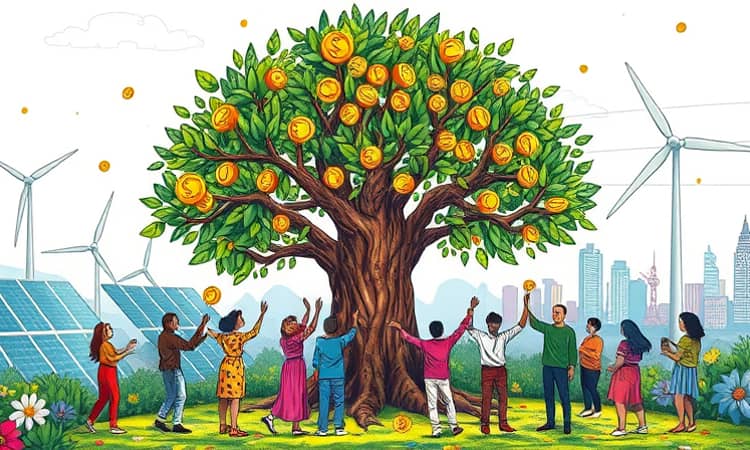
In an era of pressing climate, social, and governance challenges, investors increasingly seek ways to marry financial goals with positive world impact. Sustainable and impact investing offers a path to direct capital toward solutions that matter most. This guide will walk you through definitions, motivations, steps, asset types, and real-world examples to help you begin your journey.
Why Invest for Good?
The rise of sustainable and impact investing has been nothing short of remarkable in recent years. Spurred by concerns over climate change, social inequality, and demands for corporate accountability, investors—especially younger generations—are seeking ways to make their money a force for positive change. In 2025, many see investing as a tool to drive progress, not merely an avenue to grow wealth.
Research shows that over 41% of U.S. investors express interest in sustainable products, while 95% of Millennials indicate a desire to align their portfolios with their values. By choosing investments that prioritize environmental stewardship, fair labor practices, and responsible governance, you can help shape the future of the global economy.
Core Definitions and Concepts
Before committing capital, it is vital to understand the distinctions among ethical, sustainable, and impact investing. These concepts guide your choices and clarify what you can expect in terms of outcomes and returns.
Why Impact Matters
Allocating capital to businesses and projects that address global challenges can yield benefits beyond financial gain. When you invest in clean energy, affordable housing, or healthcare access, you help deliver essential services to underserved communities and drive innovation across industries.
Impact investing also fosters corporate accountability and innovation. Companies that commit to strong ESG practices often demonstrate lower volatility, better risk management, and enhanced reputation among consumers and stakeholders, creating a virtuous cycle of performance and responsibility.
According to the Global Impact Investing Network, the market reached $1.164 trillion in assets under management in 2022, up from $715 billion in 2020. This rapid growth underscores both the opportunity and the demand for investments that contribute to sustainable development goals worldwide.
Key Steps for Beginners
- Clarify Your Values and Goals: Identify the social or environmental outcomes you care about most—whether it is protecting biodiversity, promoting gender equality, or expanding access to education.
- Pick a Transparent Platform: Choose brokerage services or robo-advisors that offer robust ESG filters, impact reports, and third-party ratings to ensure credibility.
- Set a Realistic Budget: You do not need a large sum to begin. Many platforms allow you to start with as little as $100 a month, emphasizing consistency over size.
- Build a Diversified Portfolio: Combine ETFs, mutual funds, stocks, and bonds that align with your values to spread risk and capture various growth opportunities.
- Track Performance and Impact: Monitor both financial returns and metrics such as CO₂ emissions reduced, jobs created, or diversity improvements to measure success.
Asset Classes and Products
- Stocks: Invest directly in public companies with strong ESG credentials and transparent reporting.
- Bonds: Choose green or social bonds that finance renewable energy projects, sustainable infrastructure, or community development.
- Mutual Funds & ETFs: Many funds target themes such as clean energy, gender diversity, or affordable housing, providing diversified exposure.
- Private Equity & Venture Capital: Support early-stage enterprises or social enterprises delivering innovative solutions in emerging markets.
- Nonprofit Loan Funds: Provide affordable credit to nonprofit organizations or small businesses with clear social missions.
Thematic Opportunities in 2025
Several sectors stand out as high-impact and high-growth opportunities over the next few years. By channeling funds into these themes, you can support critical transitions and potentially benefit from emerging market tailwinds.
- Clean Energy: Solar, wind, and green hydrogen ventures are transforming global power systems.
- Sustainable Agriculture: Innovations in regenerative farming and precision agriculture address food security and soil health.
- Healthcare Access: Investments in telemedicine, affordable clinics, and vaccine distribution improve outcomes in underserved regions.
- Affordable Housing: Real estate funds and municipal bonds targeting mixed-income developments help reduce homelessness and foster community stability.
- Diversity, Equity, and Inclusion: Funds that promote leadership diversity and equitable workplaces drive social progress and performance.
- Water and Waste Management: Technologies for waste reduction, water purification, and recycling support resource conservation.
Examples and Success Stories
Real-world projects illustrate the tangible benefits of impact investing. In Kenya, a $12 million investment in solar micro-grids has electrified 45 villages, benefiting 18,000 households, 340 small businesses, and 15 clinics, demonstrating life-changing impact on communities.
In the United States, municipal bonds financing stormwater infrastructure have enhanced urban resilience against extreme weather, reducing flood damage and improving public health. Social bonds supporting first-time homeowner loans have also boosted social mobility by providing fair financing to families who lack traditional credit histories.
Retail investors can access similar impact through ETFs that transparently report their performance and measurable outcomes, making positive change as accessible as buying shares of a company.
Overcoming Common Challenges
Despite its promise, impact investing faces hurdles. Greenwashing—when products falsely market themselves as sustainable—remains a concern. To mitigate risks, look for third-party certifications such as MSCI ESG ratings or B Corporation status that verify genuine commitments.
Measuring impact is evolving. While reporting frameworks improve, comparability across investments can be difficult. Seek platforms that provide standardized metrics and regular updates on key performance indicators.
Finally, balancing risk and return is essential. Some investors accept below-market returns for greater social or environmental impact, while others seek competitive returns alongside measurable benefits. Clarifying your priorities early will help you navigate these trade-offs confidently.
Practical Tips to Get Started
Begin small to gain experience and confidence. Automate contributions to avoid ad-hoc decisions and benefit from dollar-cost averaging. Use goal-based buckets to separate objectives—one for retirement growth, another for impact objectives like carbon footprint reduction.
Consult financial advisors or robo-advisors with expertise in sustainable strategies. They can help tailor allocations and recommend funds aligned with your risk tolerance and values.
Review annual financial statements and impact reports to track progress and make adjustments. Celebrating milestones—such as a percentage reduction in emissions or numbers of beneficiaries served—can keep you motivated and focused on long-term change.
Conclusion
Investing for good is more than a trend; it is a transformative approach that empowers you to align your capital with your convictions. By understanding key concepts, defining clear goals, and choosing credible platforms, you can build a portfolio that seeks both financial returns and positive impact.
In a world where global challenges demand collective action, every dollar invested responsibly becomes a step toward a more sustainable and equitable future. Start today, stay informed, and witness how your choices can drive real change in communities and industries around the globe.