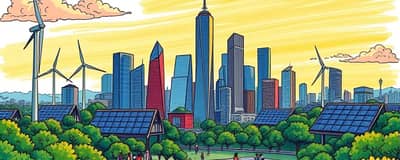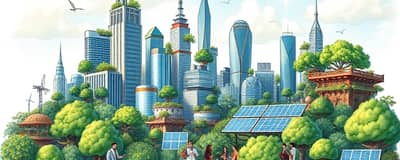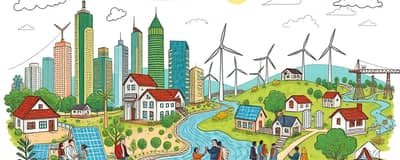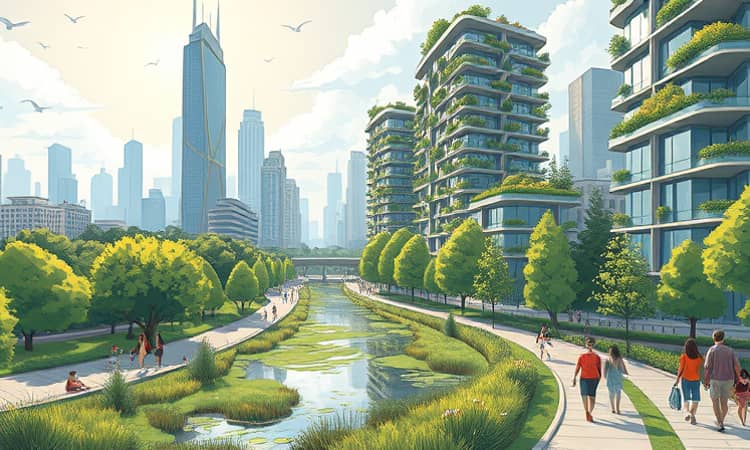
In the face of rapid urban growth and mounting environmental pressures, communities are turning to nature-based solutions that deliver multiple benefits. Green infrastructure weaves natural elements into the cityscape, creating an integrated network of natural spaces that work in harmony to support water management, biodiversity, and human well-being. Unlike traditional gray systems of pipes and concrete, these living landscapes harness the power of plants, soils, and water to create cities that breathe.
Environmental Foundations
At its core, green infrastructure mimics watershed processes to filter stormwater at the source. Bioswales, rain gardens, and permeable pavements capture runoff, reduce flood risks, and replenish groundwater.
Urban forests and street trees play a pivotal role in temperature regulation. Research shows they can reduce temperatures by 2–8°C via shading and evapotranspiration, cutting energy use and mitigating heat waves that threaten public health.
Water quality also improves significantly. Vegetated buffers and wetlands act as biofilters, trapping sediments and nutrients. This approach filters pollutants from urban runoff, protecting rivers and aquifers without massive treatment facilities.
Finally, these natural corridors supports native biodiversity and wildlife corridors, creating habitat pockets for birds, insects, and small mammals. As a result, cities transform into mosaics of life rather than concrete deserts.
Social and Health Pillars
Beyond environmental gains, green infrastructure fosters stronger, healthier societies. Studies link access to green spaces with reduced stress, lower blood pressure, and improved mental health.
- Public health benefits: Regular interaction with nature lowers anxiety and promotes physical activity.
- Recreation and community engagement: Parks and greenways become gathering places that strengthen social bonds.
- Equity and inclusion: Targeted investments in underserved neighborhoods reverse decades of disinvestment.
- Enhanced safety and resilience: Natural buffers decrease flood impacts and heat risks in vulnerable areas.
By weaving green elements into daily life, cities can create spaces that invite walking, cycling, and community events, generating a sense of ownership and pride among residents.
Economic Building Blocks
Green infrastructure often delivers cost savings compared to gray alternatives. Installation and maintenance expenses are frequently lower, while the lifespan of permeable surfaces and vegetated systems can exceed that of concrete channels.
These investments also pay dividends in job creation. Landscaping, horticulture, design, and ongoing upkeep generate local employment opportunities, stimulating regional economies.
Additionally, shaded buildings demand less air conditioning, lowers construction and maintenance costs, and reduce utility bills. Higher property values and increased tax revenues further bolster municipal budgets, enabling continuous reinvestment.
Real-World Applications
From Portland to Des Moines, cities are pioneering green infrastructure at scale. Portland’s street trees and pocket parks have measurably improved air quality and community well-being. In Pennsylvania, a surge in GI projects propelled job growth above statewide averages.
At the University of Wisconsin–Milwaukee, a rooftop garden delivered an 11% rise in nearby property values. Atlanta’s green street program tackled flooding while fostering neighborhood pride. In Des Moines’ Market District, over 80 bioretention cells transformed a former industrial zone into a thriving, sustainable hub.
Even grassroots efforts like Buffalo’s Raincheck initiative demonstrate how block-by-block enhancements—street trees, tree pits, rain gardens—can yield profound health, aesthetic, and economic gains.
Challenges and Future Pathways
Despite its promise, green infrastructure faces hurdles. Securing consistent funding, aligning policies across agencies, and engaging communities require deliberate effort and vision.
- Strategic planning and design: Prioritize native species and long-term maintenance.
- Policy integration: Embed GI into zoning, stormwater codes, and urban plans.
- Community involvement: Foster stewardship through education and local partnerships.
- Adaptive management: Monitor performance and adjust designs over time.
By addressing these considerations, municipalities can ensure green infrastructure thrives alongside traditional systems, building urban landscapes that are both efficient and inspiring.
Conclusion
Green infrastructure offers a resilient, multifaceted foundation for sustainable urban growth. By harnessing the power of ecosystems, cities can manage water, improve air quality, boost biodiversity, and enhance community health—all while stimulating economic opportunity. As communities around the globe embrace these living solutions, they pave the way toward cities that are not just built, but grown, in harmony with nature.