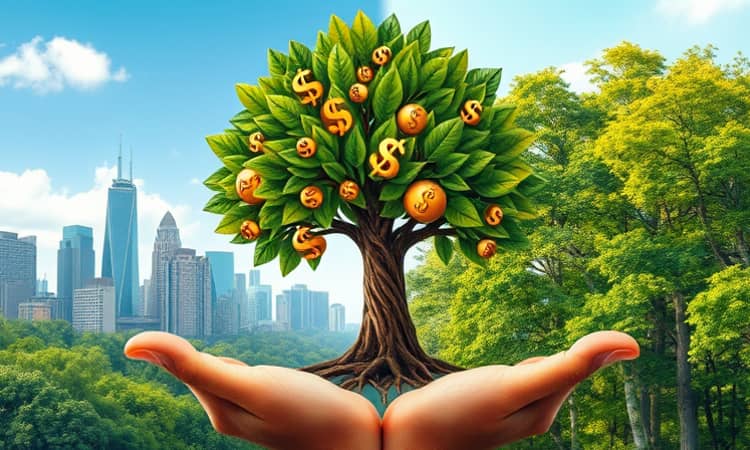
In a world where economic systems are under pressure from climate change, social inequality, and resource scarcity, the notion of finance has to transform. Future-Fit Finance integrates sustainable business principles with strategies that generate long-term wealth without compromising environmental or societal health. This article explores how individuals, families, and institutions can adopt frameworks and tools to ensure that financial success also contributes to human and ecological flourishing.
Understanding Future-Fit Finance
At its core, Future-Fit Finance is about aligning wealth-building with the health of global systems. A Future-Fit Business creates value while in no way undermining essential aspects of human and ecological flourishing, grounded in benchmarks that go beyond profit. This approach draws on standards like the Future-Fit Business Benchmark and complements extra-financial reporting frameworks such as the ISSB to guide investors toward systemic change.
By embracing rigorous, science-based targets and a “do no harm” starting point, finance professionals can shift from short-term gains to regenerative outcomes. Over time, they move toward positive impact goals that advance human flourishing, offering a blueprint for sustainable capitalism in the 21st century.
Key Frameworks and Tools
Developing a Future-Fit strategy requires practical frameworks that leaders can apply across sectors. Below are four essential tools that guide the transition:
- Flourishing Business Canvas: A visual co-creation toolkit prompting teams to explore social, environmental, and economic factors to meet Break-Even Goals and Positive Pursuit Goals.
- Family Sustainability Framework: A triangle model balancing Asset Growth, Family Talent, and Family Unity to support long-term multi-generational wealth and disciplined decision-making.
- Future-Fit Manifesto: Inspired by Agile principles, it prioritizes continuous delivery and creative collaboration across employees, customers, partners, and governments.
- B Corp Certification: Requires governance amendments, a minimum B Impact Assessment score threshold and a commitment to transparency through a public impact report.
Sustainable Wealth-Building Strategies
To build wealth sustainably, individuals and institutions can focus on generating income, reducing spending, and preserving capital. These pillars provide a balanced approach to financial health.
- Diversify sources through real estate rentals, sustainable equities, and thematic impact investments targeting clean energy or conservation projects.
- Adopt living-below-means habits, use budgeting tools to identify cost savings, and prioritize high-interest debt repayment with the snowball method, favoring experiences over material possessions.
- Implement robust estate planning with wills and trusts, and maintain a diversified portfolio spanning asset classes to mitigate volatility and safeguard against shocks.
Optimizing the Finance Function
Businesses and CFOs can leverage Future-Fit principles to turn finance from a back-office function into a driver of sustainable growth. Key practices include:
- Analyze cost of sales to boost gross margins, and avoid loss-making activities in the post growth-at-all-costs era.
- Accelerate receivables, negotiate favorable supplier terms, and manage payables to reduce debt risk amid tighter funding environments.
- Simulate scenarios like rate hikes, supply chain disruptions, and demand fluctuations to identify vulnerabilities before they emerge.
- Embrace multi-capital thinking and cost optimization through AI-driven forecasting and data analytics to enhance decision-making.
Trends and Opportunities in 2026
As sustainable finance commitments deepen, 2026 stands out as a pivotal year for actionable change. Below is a snapshot of key opportunities and funding targets that can guide strategic allocation.
This overview underscores the scale of capital mobilization required to meet global climate and nature goals. By aligning portfolios with these trends, investors contribute to sustainable outcomes while positioning themselves for long-term returns.
Fostering a Future-Fit Mindset
Beyond tools and financing, the transition to Future-Fit Finance hinges on cultivating an innovative and inclusive culture. Leaders must champion empathy, open dialogue, and continuous learning to navigate complex challenges. Tapping into diverse skill sets, including external expertise from academia and NGOs, can accelerate innovation. As economic headwinds intensify, agility and resilience become paramount. Encouraging teams to challenge the status quo and reflect on emerging trends ensures that organizations remain ahead of disruptions and seize opportunities for sustainable growth.
Conclusion: Charting a Sustainable Financial Future
The journey toward Future-Fit Finance is both an ethical imperative and a strategic opportunity. By leveraging robust frameworks, adopting sustainable wealth-building practices, and embracing digital and cultural transformation, individuals and institutions can achieve long-term financial resilience and positive impact. Now is the time to reimagine finance not just as numbers on a balance sheet, but as a catalyst for transformative change. Together, we can build a financial system that sustains people, planet, and prosperity for generations to come.