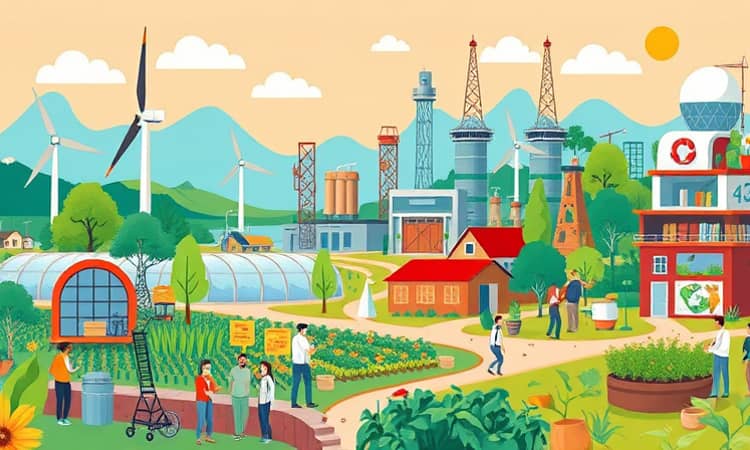
As global resource challenges intensify, industries and investors recognize the urgent need to shift from linear consumption to circular innovation. By embracing designing out waste and pollution and fostering advanced closed-loop supply chain networks, organizations can unlock value, reduce environmental impact, and build economic resilience for the long term.
This transformation transcends mere waste management. It demands a holistic approach where products, materials, and ecosystems are viewed as interconnected assets. By prioritizing regenerative methods, stakeholders can create resilient value chains that benefit all, from local communities to multinational corporations.
Understanding the Linear vs. Circular Economy
The traditional economic paradigm—often described by the take-make-dispose linear model—prioritizes extraction, production, and disposal. While this approach drove rapid growth during the Industrial Revolution, it now strains finite resources and overwhelms waste systems. In contrast, the circular economy offers a framework to keep products and materials in use and restore ecosystems.
Central to this transition is a shift from end-of-life thinking to systems design. Rather than reacting to waste, stakeholders proactively embed strategies for durability, reuse, and recovery at every stage. This fundamental mindset paves the way for diversified revenue streams and environmental stewardship.
- Value-adding through circular design and industrial symbiosis
- Value retention via repair, remanufacturing, and sharing platforms
- Value recovery encompassing reverse logistics and recycling
- Ecosystem regeneration with pollution removal and biodiversity initiatives
- Enabling factors such as education, legislation, and digitalization
Worldwide, regulatory mandates like extended producer responsibility are driving companies to innovate. Meanwhile, consumers increasingly demand transparency and sustainable credentials, compelling brands to reexamine supply chains and invest in tracking materials with digital tools and certification schemes.
Business Models Driving Circularity
To operationalize circular principles, companies deploy innovative business models that align incentives and reduce waste. These frameworks not only extend product lifecycles but also foster customer loyalty and recurring revenue.
Implementing these models often involves jobs across recycling and remanufacturing, new digital tracking systems, and strategic partnerships. Companies measure performance with KPIs such as material recovery rates, customer retention, and emissions reductions.
Phased implementation—starting with pilot projects and gradually scaling—allows organizations to adapt business processes, optimize costs, and demonstrate value to stakeholders. Collaborative innovation hubs and public-private initiatives can accelerate this journey.
Real-World Success Stories
Across sectors, pioneering initiatives demonstrate the transformative power of circular systems. From startups to global corporations, these case studies offer invaluable lessons for scaling impact.
In food and agriculture, solar-powered ColdHubs units in Nigeria prevented spoilage of over 42,000 tonnes of produce and saved 1 million kilograms of CO2 emissions in 2020. Similarly, Global Bugs in Thailand produces cricket protein using a fraction of the land and water resources required for conventional livestock.
The transport sector features Kathmandu’s Safa Tempo project, which deployed 600 electric three-wheelers and created more than 1,350 jobs in charging and driving roles. Improved air quality and lower operating costs highlight the economic and health benefits of electrification.
Automotive leader Renault pioneered remanufacturing for engines and parts, reducing energy consumption by 80% and water use by 88% while saving 10–15% on material costs. This model generates over €120 million in annual revenue and stabilizes supply chains against material price volatility.
Industrial symbiosis in Denmark showcases 25 firms exchanging by-products such as heat, water, and materials. This network reduces procurement costs, cuts waste, and creates new market opportunities for small and medium enterprises.
Construction innovators, like Denmark’s Circle House and Lendager’s Swan project, reuse over 90% of materials, achieving up to 95% energy savings in brick reclamation. These examples illustrate how the building sector can embrace design for disassembly and material passports.
Companies like Interface collect fishing nets from coastal communities, recycling two million kilograms into carpet fibers and providing income for 2,200 families. Apple’s Daisy robot disassembles iPhones, recovering rare earths and aluminum for reuse in new devices, recovering 61 million pounds of material annually.
Investment Opportunities and Strategies
Investors seeking sustainable returns can target key segments of the circular economy. These include recycling infrastructure, material innovation startups, remanufacturing facilities, and platforms that facilitate product-as-a-service models.
- Enhanced economic resilience through diversified revenue streams
- Significant emissions reductions aligned with global climate targets
- Stimulating innovation across value chains and unlocking new markets
- Meeting rising consumer demand for sustainable products
- Capitalizing on supportive regulations and extended producer responsibility mandates
Case in point, pioneering firms like Banyan Nation convert post-consumer plastics into near-virgin resin, while Novelis’s closed-loop aluminum production saves 3.7 million tons of CO2 each year. These success stories underscore the scalable nature of circular investments.
Due diligence should assess technology readiness, regulatory landscape, and ecosystem compatibility. Collaborative financing mechanisms—such as green bonds and outcome-based contracts—can de-risk projects and attract a broader pool of capital.
Measuring Impact and Overcoming Challenges
Robust measurement frameworks are essential for verifying the benefits of circular initiatives. Metrics span environmental, social, and financial domains, including material recovery percentages, life cycle emission savings, and job creation figures.
Emerging digital solutions—such as blockchain-enabled material passports and artificial intelligence for waste sorting—enhance traceability and accountability. These innovations empower stakeholders to optimize operations and report transparently to investors and regulators.
While upfront costs may present barriers, long-term financial models often reveal favorable internal rates of return. Strategic partnerships with governments and research institutions can secure grants and tax incentives, reducing capital hurdles and accelerating deployment.
Consumer education and workforce training are equally critical. By engaging end users through awareness campaigns and offering repair and refurbishment services, businesses can cultivate loyalty and drive uptake of circular offerings.
Ultimately, the transition from a linear to a circular economy represents both an ethical imperative and a strategic opportunity. Organizations that embrace advanced closed-loop supply chain networks and invest in regenerative agricultural and industrial practices are poised to lead the next era of sustainable growth.
By uniting investment capital, innovative thinking, and collaborative frameworks, stakeholders can restore natural capital, enhance social equity, and secure lasting economic value. The time to act is now.