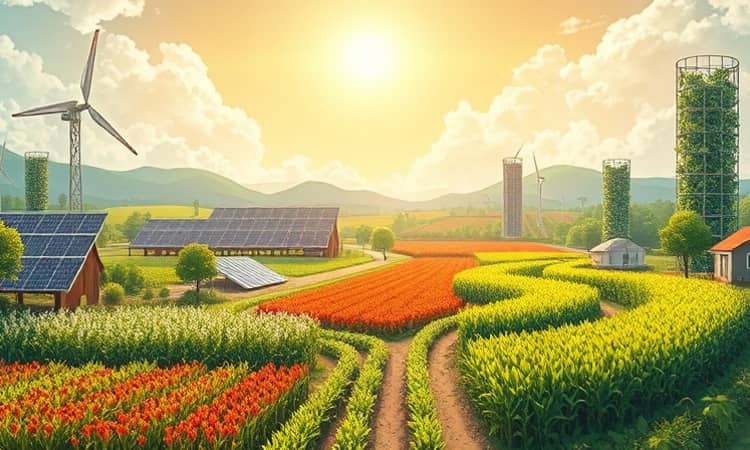
Global food security stands at a critical junction in 2025, where the convergence of conflict, climate extremes, and economic shocks threatens the well-being of billions. Despite alarming trends—over 295 million people faced acute hunger in 2024—there is a growing momentum toward resilient solutions that promise to transform agrifood systems. By aligning investments with sustainability goals, stakeholders can foster a future where every person enjoys reliable access to nutritious food.
This article explores how strategic investment, policy support, and technological innovation can unite to address hunger, bolster rural livelihoods, and mitigate environmental impact. Drawing on the latest data, expert insights, and market projections, we highlight actionable pathways for governments, private investors, and international organizations to drive lasting change.
Global Challenges and Food Insecurity Drivers
Food insecurity in 2025 remains multifaceted, driven by protracted conflicts in Gaza, Sudan, and Yemen, and by climate-driven disasters like droughts and floods. Displacement and economic shocks exacerbate malnutrition, with 1.2 million people facing catastrophic hunger.
In Gaza, 100% of the population endures famine conditions, while South Sudan and Yemen register acute food insecurity for over half their residents. Meanwhile, Nigeria, the DRC, and Sudan account for the largest numbers of food-insecure individuals globally.
- Conflict-driven crises displace millions, intensifying hunger.
- Climate extremes disrupt harvests and supply chains.
- Economic downturns erode purchasing power.
- Underfunded humanitarian programs risk preventable deaths.
Despite these hurdles, projections signal hope: food insecurity in GFA countries is expected to drop 26% in 2025, and Asia’s rates may halve. Yet, this progress hinges on addressing the critical role of sustainable agriculture investments and ensuring sufficient funding for nutrition programs.
Investment Opportunities and Market Trends
As traditional funding for food assistance faces cuts—humanitarian allocations could fall by up to 45% in 2025—private capital and public-private partnerships must fill the gap. Global sustainable agriculture investments are projected to exceed $30 billion by year-end, targeting innovations across precision farming, vertical systems, and regenerative practices.
Precision agriculture leverages AI, satellites, and IoT to optimize inputs, while vertical farms reduce land use and water consumption. Regenerative methods rebuild soil health, and digital marketplaces expand credit to smallholders. However, only 7.2% of global climate finance supports on-farm efforts, highlighting the need for more investors to back carbon farming and agroforestry initiatives.
- Scale climate-smart agriculture for resilience.
- Improve financial inclusion via digital platforms.
- Adopt waste-reduction technologies across supply chains.
- Foster new markets for sustainable products.
Consumer trends fuel demand for organic and non-GMO produce, driving premium pricing and impacting supply chain investments. Integrating intelligent packaging and blockchain enhances traceability, building trust and reducing food fraud.
Policy Frameworks and the Road Ahead
National governments and multilateral bodies play a pivotal role in de-risking investments and endorsing sustainable food systems. Incentives like subsidies, tax credits, and risk-sharing mechanisms encourage private actors to participate in long-term agrifood projects.
International initiatives—Feed the Future, the Global Network against Food Crises, and the UN’s SDG agenda—provide coordination and resources. But capacity building remains crucial: training small farmers in agro-ecological methods, offering microloans, and reforming land tenure systems can unlock local potential.
Policymakers must balance productivity with environmental stewardship, addressing trade-offs such as antimicrobial use and deforestation. Emphasizing circularity—reducing food loss and valorizing byproducts—aligns economic incentives with ecological outcomes.
Ultimately, achieving SDG 2 (Zero Hunger) and SDG 13 (Climate Action) demands a holistic approach: combining technological transformation with robust governance and community engagement.
Conclusion: A Call to Collective Action
In 2025, the crossroads of food security and sustainability presents both an urgent challenge and a historic opportunity. By channeling finance into climate-smart agriculture, regenerative systems, and resilient value chains, society can safeguard the right to nutritious food for all.
Now is the moment for investors, policymakers, NGOs, and farmers to unite under a shared vision. Through strategic funding, policy innovation, and local empowerment, we can turn the tide on hunger and secure a thriving planet for future generations.