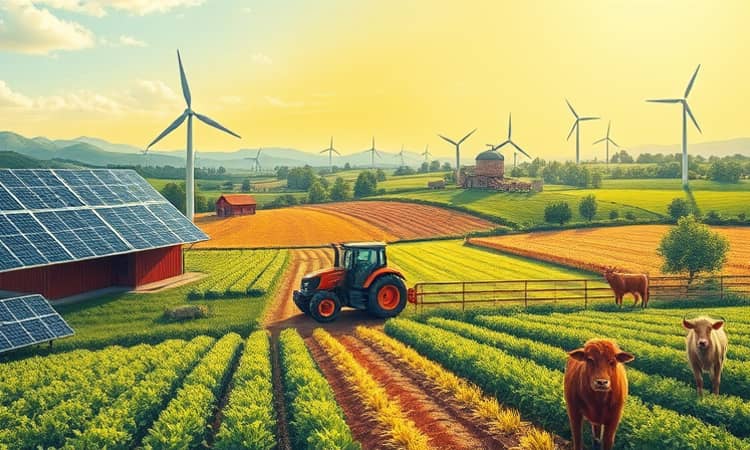
In an era marked by climate upheaval and shifting demographics, the way we produce and distribute food has never been more critical. For innovators, investors, farmers, and community leaders alike, the challenge is clear: we must build systems that nourish a growing global population while respecting the planet’s ecological boundaries. This journey demands vision, collaboration, and strategic funding. By understanding emerging trends and committing to equitable solutions, we can transform our agrifood landscape into one defined by resilience, sustainability, and shared prosperity.
From the fertile fields of the Midwest to smallholder farms in distant regions, stakeholders are rallying around the idea that responsible investments can yield both financial returns and environmental benefits. Whether through cutting-edge technologies or time-honored regenerative methods, the path forward blends innovation with tradition. Together, we can harness the power of agriculture to restore habitats, strengthen communities, and ensure that every individual has access to safe, nutritious food.
Understanding the Urgency of Sustainable Food Systems
The global population is projected to reach 9.7 billion by 2050, putting unprecedented strain on land, water, and ecosystems. At the same time, farmers face rising input costs, supply chain disruptions, and unpredictable weather patterns. To confront these realities, stakeholders are prioritizing holistic models that balance productivity with environmental stewardship. This involves more than incremental change; it calls for a paradigm shift that reimagines our relationship with the land, water, and the people who cultivate them.
Central to this transformation is the recognition that food systems are complex, interconnected networks. A challenge in one region can trigger ripple effects worldwide, from price spikes to biodiversity loss. By adopting climate-smart investments and strategies, we can reduce greenhouse gas emissions, enhance soil health, and build buffers against extreme events. Such approaches lay the foundation for long-term resilience and food security.
Key Trends Driving Agrifood Investments in 2026
As we move into 2026, investors are zeroing in on several high-impact areas where capital can accelerate positive change. Each sector offers unique opportunities to marry profit with purpose, creating a future in which economic vitality and environmental health reinforce one another.
- De-chemicalization: Reducing reliance on synthetic fertilizers and pesticides through biological inputs and integrated pest management.
- AI and Precision Agriculture: Leveraging AI-driven precision agriculture technologies for yield prediction, autonomous machinery, and efficient resource use.
- Regenerative Solutions: Investing in regenerative farming and soil restoration to sequester carbon, enhance biodiversity, and improve water retention.
- Traceability Platforms: Deploying traceability and blockchain-enabled solutions to ensure transparency, reduce recall risks, and meet consumer demand for clean label products.
These strategies are supported by robust market data: venture capital inflows into agtech topped $16 billion in 2024, and projections indicate a 12.2 percent compound annual growth rate through 2034. Parallel to technology, farmland values continue to rise, reflecting confidence in agriculture’s lasting significance. By channeling funds into targeted initiatives, investors can help farmers adapt to evolving conditions while capturing substantial returns.
Bridging Gaps: Challenges and Opportunities
Despite the momentum, significant investment shortfalls persist. Estimates suggest a $260 billion funding gap to achieve zero hunger under the Sustainable Development Goals, along with a $1 trillion annual deficit in biodiversity financing. This disparity underscores the need for innovative financing models that blend public, private, and philanthropic capital. Tools such as blended finance, green bonds, and pay-for-performance schemes can help align incentives and unlock new pools of capital.
At the same time, adoption barriers remain, particularly among smallholder and family farms. Less than 40 percent of these producers plan to incorporate AI or robotics in the next five years, citing costs, data access, and technical expertise as hurdles. To close this divide, stakeholders must invest in capacity-building, digital infrastructure, and inclusive partnerships. By making technologies accessible and affordable, we can ensure that benefits reach those who need them most.
Empowering Communities and Fostering Equity
Equity is more than a moral imperative; it is essential for resilient food systems. Historically underserved populations—rural, tribal, and low-income communities—often lack access to capital, broadband, and clean water. Addressing these disparities requires coordinated action across agencies, nonprofits, and the private sector.
- Infrastructure Upgrades: Expanding broadband networks, renewable energy, and irrigation systems to connect farmers to markets and information.
- Inclusive Programs: Designing government incentives and private sector initiatives with equitable access for underserved communities at their core.
- Community-Led Innovation: Supporting farmer cooperatives and local enterprises to develop solutions tailored to regional needs.
By embedding equity into investment decisions, we create pathways for broader participation in value chains and ensure that economic benefits are shared widely. Moreover, community-driven approaches foster social cohesion and local stewardship, strengthening the social fabric that underpins sustainable agriculture.
A Call to Collaborative Action
The magnitude of the challenges facing our agrifood systems demands bold collaboration. Governments, investors, corporations, NGOs, and farmers must unite around shared objectives: reducing emissions, bolstering resilience, and scaling sustainable innovations. Tools like voluntary sustainability standards and nature-positive certifications can provide common frameworks for progress.
As we look toward a future where food systems nourish people and ecosystems in harmony, each stakeholder holds a piece of the puzzle. Whether through patient capital, philanthropic grants, or market-based approaches, the time to act is now. By championing nature-positive investing for lasting impact and supporting regenerative practices, we can cultivate a legacy of abundance and health for generations to come.
Food is not merely a commodity—it is a force for connection, culture, and well-being. When we invest wisely, we do more than boost yields or profits; we nurture communities, safeguard the planet, and feed hope itself. Together, let us seize this moment to reimagine agrifood systems that are as resilient as they are bountiful, ensuring that every plate tells a story of care, innovation, and shared prosperity.