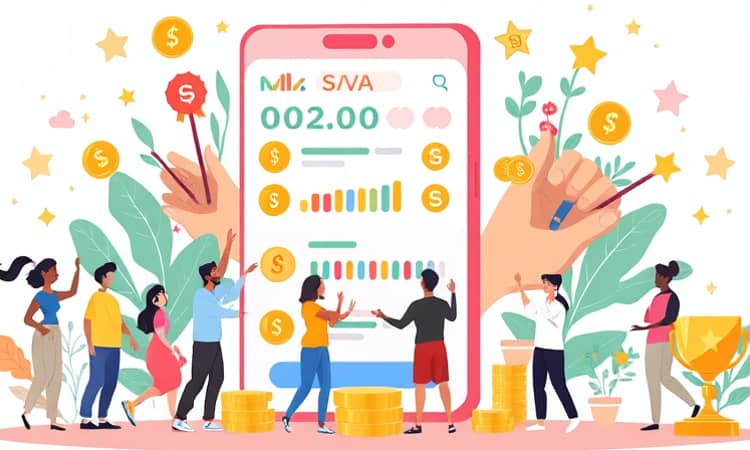
In a world where instant gratification often wins, transforming your savings journey into an engaging, game-like experience can be a game-changer. Financial gamification harnesses playful mechanics to foster consistent saving and investment habits, turning routine tasks into meaningful achievements.
Whether you’re new to budgeting or seeking fresh motivation, incorporating elements of play can reignite enthusiasm and deliver tangible results. This guide will illuminate core concepts, spotlight proven benefits, present real-world examples, and offer practical steps to integrate gamification into your financial life.
Understanding Financial Gamification
Financial gamification applies game-like elements—points, badges, streaks, leaderboards, and challenges—to non-game contexts such as personal finance and savings. By adding competition, visual feedback, and rewards, gamification cultivates motivation and fosters positive habits.
Key mechanics include:
- Progress bars and levels to track milestones
- Achievements and badges as immediate feedback and rewards
- Leaderboards to encourage friendly competition
- Custom challenges for daily or weekly goals
These features tap into psychological drivers—achievement, autonomy, and social connection—transforming mundane tasks like saving into compelling experiences.
Key Benefits and Proven Impact
Research underscores the power of gamification in boosting financial outcomes. In gamified systems, boost engagement, motivation, and behavior change are not just buzzwords but measurable results.
Consider these statistics:
- 75% of users meet savings targets versus 45% in traditional platforms (67% improvement).
- Goal completion rates increase from 35% to 65% after gamification.
- Daily active users rise by nearly 192%, while average savings climb by 20%.
- Engagement can surge by up to 150% with leaderboards and challenges.
Field experiments involving 331 participants over four weeks demonstrated that gamified web apps significantly outperformed control groups in achieving saving goals. Regression models further indicate savings growth is driven by both engagement and incentives.
With the personal finance management market projected to reach over $3.3 billion by 2025 and gamification in finance growing at a 26.5% CAGR, the case for play-driven saving has never been stronger.
Real-World Applications and Tools
Today’s fintech landscape boasts numerous platforms leveraging gamification to empower savers. The table below highlights key players and their innovative features.
Beyond these, platforms like Stash, Revolut, and eToro exemplify how social features, badges, and virtual portfolios can enhance learning and loyalty. Institutions such as U.S. Bank and Commonwealth further illustrate enterprise-level gamification for retirement planning and financial security.
Implementing Gamification for Your Savings
You don’t need a proprietary app to gamify your finances. By adopting core mechanics into daily routines, anyone can level up their savings strategy.
Follow these steps:
- Create clear goals: Define short-term and long-term targets with deadlines.
- Track progress visually: Use charts or apps to display growing balances.
- Reward milestones: Treat yourself upon reaching each level.
- Introduce challenges: Set weekly or monthly saving sprints.
- Leverage accountability: Share goals with friends or join online communities.
Pair these actions with automation—scheduled transfers and round-up rules—to maintain momentum. Over time, the blend of personalized tiers and custom rewards will reinforce good habits and reduce friction.
Future Trends and Considerations
As fintech evolves, gamification will continue to innovate through AI-driven personalization and human-centered design. Frameworks like Octalysis emphasize user motivation, while emerging technologies enable dynamic challenges based on individual behavior.
Key trends include:
- AI-powered recommendations to tailor challenges
- Expanded social trading and community-driven goals
- Integrating crypto rewards and blockchain-based badges
However, ensuring inclusivity and measuring true behavior change remain critical. Effective gamification must balance fun with financial literacy, empowering all users to make informed decisions.
Conclusion
By embedding playful elements into your financial routines, you can spark motivation, sustain engagement, and achieve lasting savings success. Whether through dedicated apps or simple DIY systems, transform routine tasks into engaging experiences and watch your financial confidence grow.
Embrace gamification today and level up your savings journey—because every goal reached is one more win unlocked.