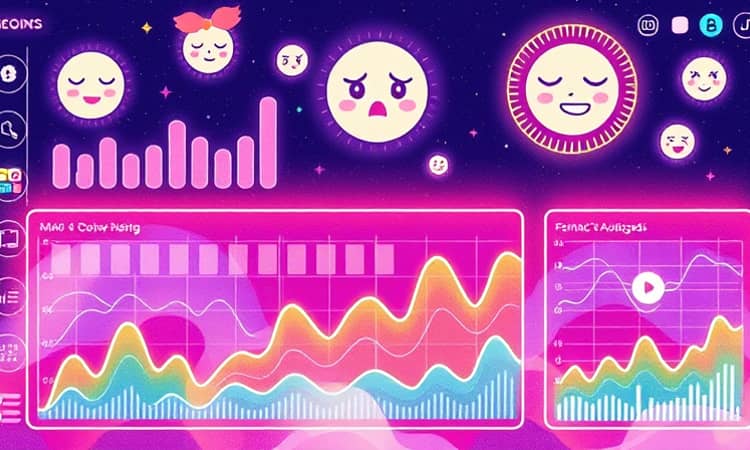
In an era where every tap, click, and transaction leaves a digital trace, the next frontier in financial technology goes beyond numbers. Emotions shape our financial choices, driving us toward impulsive buys or cautious holds. Emotion-Aware FinTech bridges this gap, integrating AI-driven emotion tracking, behavioral analytics, and sentiment analysis to create products that truly resonate with users.
By detecting moods like stress, anxiety, or overconfidence, these platforms adapt interfaces, recommendations, and reminders in real time. The result is smarter financial decisions powered by empathy and technology.
Why Emotions Matter in Financial Decisions
Traditional financial tools treat users as data points. Yet every investor, saver, or borrower brings a unique emotional profile. Fear can freeze decision-making, while overconfidence leads to risk-taking. Unchecked, these responses erode trust and undermine long-term goals.
Recognizing this, Emotion-Aware FinTech infuses affective computing into everyday money management. Through voice analysis, facial recognition, and behavioral cues, platforms gain insight into user states and respond with contextual nudges and supportive content.
Leading Emotion-Aware FinTech Products
Several innovators are already pioneering this human-centric approach:
- Louis Limited Platform (Malaysia): An AI-powered trading system synced to MetaTrader 5. It provides real-time emotion tracking synced to MT5, calming prompts during high volatility, monthly behavioral reports with gamified milestones, and adaptive learning on market psychology.
- Emotionally Intelligent Banking Assistants: These bots analyze sentiment across chat, voice, and social channels, adjusting tone and empathy levels to resolve queries effectively and reinforce trust.
- AI Agents for Fraud and Disputes: By detecting frustration or anxiety in voice patterns, these assistants escalate critical cases instantly, offer reassurance, and reduce customer churn through timely interventions.
Key Technologies and UI/UX Innovations
At the heart of emotion-aware solutions lies a suite of advanced technologies: adaptive analytics engines, deep learning models for emotional state detection, and secure biometric data handling. Encryption and anonymization safeguard privacy while enabling personalized experiences.
UI/UX designers complement these back-end innovations with:
- Emotion-led microinteractions and gamified elements that reward progress—think savings streak badges or calmness metrics in trading dashboards.
- Soothing animations, soft color palettes, and reassuring microcopy for every error message, turning friction into empathy.
- Predictive personalization: dynamic recommendations such as “It’s payday—consider boosting your emergency fund?” that anticipate needs without intrusion.
Market Trends Shaping 2026
By 2026, Emotion-Aware FinTech will no longer be a novelty but a standard expectation. Major trends driving this shift include:
Benefits for Users and Businesses
For users, Emotion-Aware FinTech translates to heightened self-awareness and resilience. Traders curb impulsivity with calming prompts, savers stay on track through gamified incentives, and borrowers receive timely reassurances during stressful moments.
Businesses reap measurable rewards: Net Promoter Scores climb by 15–20%, churn rates fall, and lifetime value grows as customers engage more deeply. Emotion-aware platforms foster long-term trust and loyalty, setting a new benchmark for customer experience.
Challenges and Future Outlook
As promising as these technologies are, they demand rigorous attention to data ethics and design balance. Models must achieve high accuracy in emotion detection without bias. Biometric and behavioral data require encrypted and anonymized biometric data protocols aligned with global privacy standards.
Designers face the fine line between supportive nudges and perceived intrusion. Transparency in data use and clear opt-in mechanisms are non-negotiable to maintain user trust.
Looking ahead, Emotion-Aware FinTech will expand beyond trading and banking into payments, credit scoring, and sustainability dashboards. As interfaces evolve into empathetic co-pilots, financial tools will not only manage money but also nurture emotional well-being.
In embracing Emotion-Aware FinTech, the industry moves from cold computation toward a holistic, human-centric future—where technology listens, adapts, and empowers each individual on their financial journey.