In today's fast-paced digital world, peace of mind should come effortlessly with every purchase you make.
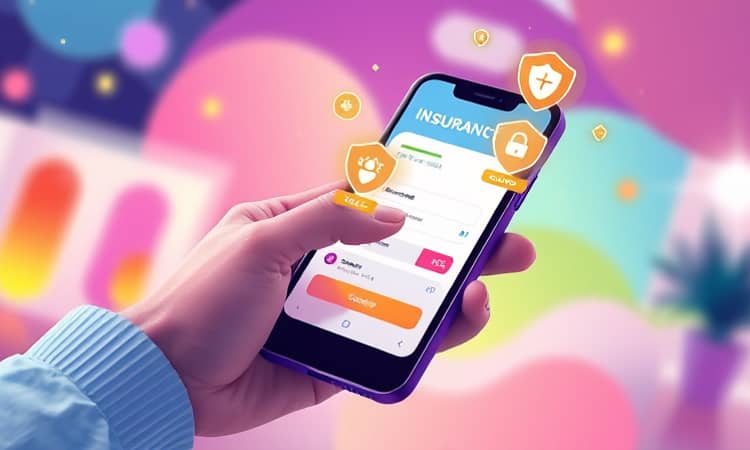
Embedded insurance is revolutionizing how we access safety, turning complex processes into simple, intuitive clicks at checkout.
This transformative approach ensures that protection is always within reach, eliminating barriers and making security a natural part of life's moments.
What Is Embedded Insurance?
Embedded insurance refers to insurance coverage that is seamlessly integrated into the purchase of another product or service.
You no longer need to navigate separate applications or paperwork; it's offered right when you need it most.
This can be through an opt-in option during checkout or as a built-in feature, reflecting a broader shift towards embedded finance.
By blending insurance into everyday transactions, it becomes more contextual and relevant to your immediate needs.
Market Growth and Projections
The embedded insurance market is experiencing explosive growth with forecasts ranging widely, signaling a major industry transformation.
In 2024, estimates vary from $7.96 billion to $119.16 billion, highlighting its rapid adoption and potential.
Projections show that by 2030, it could reach up to $802.57 billion, with annual growth rates of 27.8% to 31.43%.
This growth is driven by digital innovation and consumer demand for convenience.
This table underscores the optimistic trajectory, with embedded insurance poised to become a trillion-dollar industry by 2032.
Geographic Hotspots
Different regions are contributing uniquely to this growth, each with distinct drivers and opportunities.
North America generated 35.5% of 2024 revenue, thanks to mature digital ecosystems and supportive regulations.
Asia-Pacific is the fastest-growing region, with a CAGR of 23.50% through 2030, propelled by mobile-first behaviors and e-commerce booms.
The MEA region, including the UAE and South Africa, is witnessing rising demand due to increased internet penetration and insurance awareness.
These geographic trends highlight how embedded insurance is adapting to local needs and infrastructures.
How It Works: Distribution Channels
Embedded insurance is primarily delivered through digital channels, making it accessible and efficient.
The online API channel accounted for 74.2% of embedded insurance premiums in 2024, enabling seamless integrations.
Key distribution points include:
- E-commerce and online platforms, the largest segment in 2024
- Telecommunications and digital service providers
- Retail and physical stores adapting to digital trends
- Financial institutions and banks embedding coverage into apps
- Other emerging touchpoints like super-apps and travel portals
This variety ensures that protection is available wherever transactions occur, enhancing user experience.
Types of Embedded Insurance Products
A wide array of products is available, tailored to specific purchase contexts and consumer needs.
Electronics protection is the dominant segment, capturing 43.1% of revenue in 2024, as customers insure high-value gadgets.
Other common types include:
- Travel insurance for plane tickets and holidays, offering peace of mind on the go
- Delivery and purchase coverage against theft, loss, or damage in transit
- Extended warranties for durable goods, extending product lifespans
- Refund protection for online purchases, reducing financial risk
- Flight and ticket insurance, ensuring compensation for cancellations
- Bill protection services, safeguarding against unexpected costs
- Overseas medical cover through hotels or airlines, providing health security abroad
- Physiotherapy coverage at gyms or sports clubs, promoting wellness
- Life insurance integrated into financial services, simplifying long-term planning
- Private medical or dental insurance in employee benefits, enhancing workplace value
- Home insurance via real estate companies, streamlining property protection
- Personal property insurance for items like mobile phones, ensuring everyday security
This diversity means there's likely an embedded option for almost any purchase you make.
Real-World Success Stories
Many companies have successfully implemented embedded insurance, showcasing its practical benefits and innovation.
Tesla uses real-time driving data to adjust premiums based on individual behavior, promoting safer habits.
Other notable examples are:
- Airbnb's AirCover, which automatically protects guests and hosts without extra cost
- Zillow integrating insurance recommendations for homebuyers, focusing on climate risks
- Oscar Health using technology to personalize healthcare access and consultations
- Airlines offering travel insurance during ticket purchases, a classic embedded model
- Retail platforms including shipping insurance, boosting completion rates by 65%
These stories illustrate how embedded insurance enhances value and trust in various industries.
Benefits for You and Businesses
For consumers, embedded insurance offers contextual, relevant protection during transactions, making safety effortless.
Key benefits include:
- Convenience and peace of mind, with no separate applications needed
- Increased purchase confidence, especially for fragile or high-value items
- Access to tailored coverage exactly when needed, reducing oversight
- Simplified processes, eliminating paperwork and saving time
For businesses, it unlocks new opportunities and strengthens customer relationships.
Benefits are:
- New revenue streams through add-on sales and premium integrations
- Closing the protection gap for consumers, enhancing societal security
- Boosting customer satisfaction and loyalty with seamless experiences
- Leveraging granular usage data for personalized offers, though compliance is key
- Expanding into new markets, especially in emerging economies with digital growth
This mutual value makes embedded insurance a win-win for everyone involved.
Challenges to Consider
Despite its promise, embedded insurance faces hurdles that require attention and innovation.
Regulatory complexity, such as compliance costs across jurisdictions, can temper margin growth in regions like North America.
The market is fragmented with low concentration, indicating a competitive landscape with many players vying for space.
Additionally, managing the growing volume and complexity of data poses challenges for scalability and accuracy.
Addressing these issues through collaboration and technology will be crucial for sustained success.
The Future Outlook
By 2032, embedded insurance is estimated to account for around 16% of total global insurance distribution, transforming how coverage is accessed.
This represents a shift from transaction-based to experience-integrated models, powered by APIs and digital platforms.
With advancements in real-time data and user-centric design, the future looks bright for making protection intuitive and inclusive.
To leverage this trend, stay proactive by exploring embedded options during online purchases and advocating for transparent offerings.
Embedded insurance is not just a passing trend; it's a revolution in how we secure our lives, ensuring that safety is always a click away.
Embrace it to protect what matters most, right when you need it, and inspire a future where insurance is seamlessly woven into every digital experience.