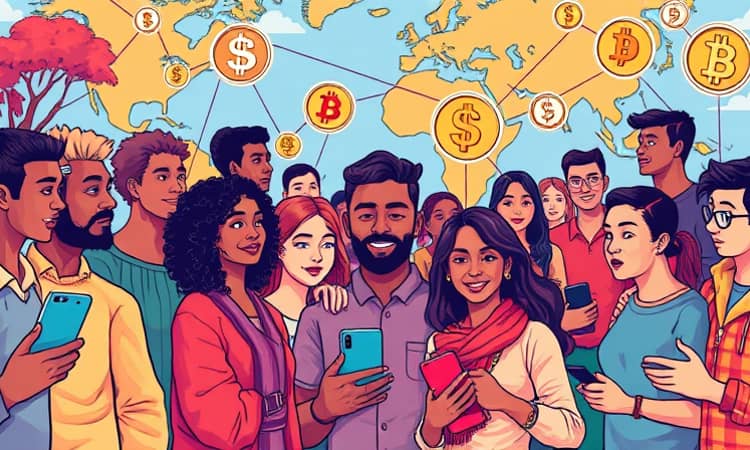
In an era of unprecedented innovation, financial tools once reserved for a select few are now within reach of millions. New platforms are shaping how people save, invest, and thrive, offering both promise and responsibility.
Understanding the Foundations
At its core, democratizing finance is about creating broad financial access for all. This movement seeks to dismantle traditional gatekeepers—large banks and exclusive investment firms—and replace them with technology-driven solutions.
By expanding services to underbanked communities and emerging markets, the model aims to bridge long-standing gaps in financial inclusion. As more individuals join the global economy, they gain tools for wealth creation and risk management.
Innovations Driving Change
Several key technologies serve as pillars for modern financial democratization. Together, they are igniting a leading mobile banking revolution and reshaping how users interact with money.
- Fintech Applications: Mobile banking and digital wallets let users send money, apply for loans, or invest in minutes.
- Robo-Advisors: Algorithm-driven advice lowers costs, enabling personalized portfolios for everyday investors.
- Peer-to-Peer Lending: Platforms connect borrowers directly with lenders, often at more competitive rates.
- Blockchain and DeFi: These innovative decentralized finance platforms remove intermediaries, offering transparent loans, savings, and exchanges.
- Tokenization: Fractional shares of real estate, art, or infrastructure unlock new asset classes.
Artificial intelligence further enhances services—from individualized budgeting tips to advanced credit scoring. Together, these tools create fresh opportunities for millions.
Measuring Impact with Data
Concrete statistics highlight the scale and speed of change in democratized finance:
These numbers underscore a seismic shift: trillions of dollars may soon move through fractional ownership of real assets, and underbanked populations can access services in real time.
Socio-Economic Implications
Democratizing finance carries profound societal benefits. In rural areas and developing economies, mobile platforms deliver improved financial security for lower-income groups by granting affordable access to savings, credit, and investments.
Microloans foster entrepreneurship, while low-cost remittances uplift families. Yet, the question of inequality remains complex: will broader access truly narrow wealth gaps, or will sophisticated investors continue to dominate gains?
Navigating Regulatory Landscapes
Adaptive policies are critical for balancing innovation with stability. Governments and regulators are reshaping frameworks to accommodate digital assets and cross-border transactions.
- Easing on Private Market Access: U.S. and global rules now allow retirement funds to invest in private equity and infrastructure.
- Digital Identity Systems: Secure verification underpins trust in tokenized asset trading.
- Consumer Protection Standards: New guidelines aim to shield novice investors from fraud and unfair practices.
Stakeholders must collaborate to harmonize tax codes, investor disclosures, and anti–money laundering measures across jurisdictions.
Challenges and Criticisms
Despite its promise, democratized finance faces valid concerns. Critics warn of predatory inclusion, where inexperienced users encounter high-risk products with opaque fees.
App interfaces can nudge traders toward impulsive behavior, echoing casino mechanics. Market concentration persists as large tech firms and asset managers leverage data to dominate new segments.
To sustain progress, platforms should prioritize enhanced investor education and protection, clear fee disclosures, and robust risk management tools aligned with user needs.
Real-World Case Studies
- Thailand: Crypto wallet adoption reaches one-seventh of the population, fueling local innovation.
- Gulf Region: Real estate tokenization opens high-value markets to small retail investors.
- United States: Retirement plans pilot private market allocations, democratizing institutional returns.
Each example demonstrates how technology and policy converge to unlock new financial pathways for diverse communities.
Looking Ahead
The future promises further integration of tokenized funds, which could rival ETFs in ubiquity. As we edge toward real-time borderless global markets, investors must remain vigilant about safeguards and interoperability.
Ongoing efforts will focus on addressing ethical and regulatory concerns tied to AI-driven advice and decentralized networks. By championing transparency, inclusivity, and resilience, we can ensure that finance evolves as a force for collective empowerment.
Practical Tips: Start with micro-investments, seek platforms offering educational resources, and engage with community forums to stay informed. By combining informed action with innovative tools, every individual can participate in—and benefit from—the unfolding financial revolution.