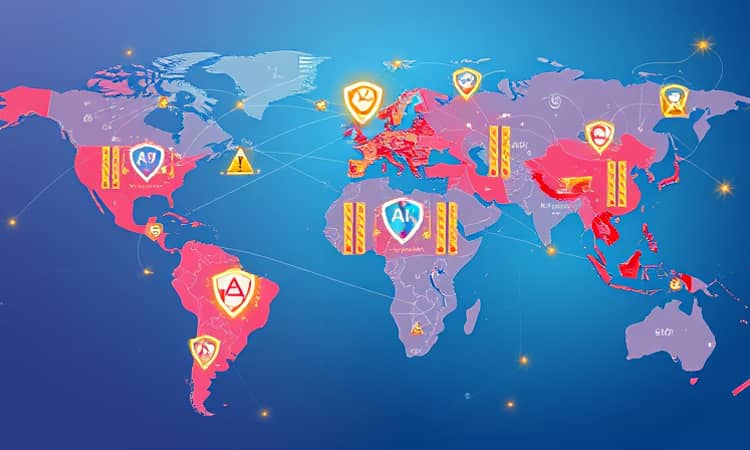
In 2026, global supply chains stand at a pivotal moment where disruption and opportunity intertwine like never before. The constant evolution of trade dynamics demands a radical shift in strategic thinking.
Leaders face mounting vulnerabilities from geopolitical tensions to cyber threats. Building a resilient and agile framework is essential for survival in this volatile landscape.
Yet, within these challenges lies the potential for profound transformation. Embracing digital innovation and strategic foresight can turn risks into powerful competitive advantages.
The Digital Transformation Imperative
Artificial intelligence is no longer a futuristic concept but a core driver of supply chain evolution. Scaling AI beyond proof of value is a critical trend for 2026.
Companies are prioritizing investments in data-driven operations to enhance efficiency. Seventy-five percent of global corporate priorities now focus on AI adoption, according to industry insights.
This shift enables smarter, more connected systems that anticipate disruptions. Leveraging technology for proactive management mitigates risks and optimizes performance.
- AI facilitates more accurate forecasting and real-time risk monitoring.
- Control towers provide enhanced visibility across multi-tier supplier networks.
- Agentic procurement automates decision-making for greater agility.
Adopting these technologies is not just an option. Integrating AI into everyday operations is key to staying ahead in a competitive market.
Building Operational Resilience
Resilience has emerged as a central competitive advantage in supply chain management. Anticipating disruptions through continuous scenario simulation is now a best practice.
Supply chains must move beyond reactive measures to proactive strategies. Multi-sourcing and geographic diversification approaches significantly reduce structural vulnerabilities.
- Implement systems for continuous risk monitoring and early warning.
- Develop flexible sourcing arrangements to adapt to sudden changes.
- Invest in infrastructure that can withstand extreme weather events.
By fostering resilience, organizations ensure stability and continuity. Creating robust response mechanisms for crises protects against unforeseen disruptions and builds trust.
Navigating Geopolitical Fragmentation
Rising tariffs and trade barriers are fragmenting global commerce at an alarming rate. The unpredictable nature of tariff structures based on Country of Diffusion adds complexity.
Political shifts, such as the looming review of USMCA, directly impact supply chain flows. Geopolitical instability is a top risk factor perceived by nearly half of organizations.
This table highlights the key perceived risks for 2026. Understanding and mitigating these interconnected factors is vital for effective strategic planning and long-term success.
The Shift to Nearshoring and Regionalization
Global supply chains are shifting from cost-driven strategies to risk-mitigation approaches. Nearshoring models are consolidating globally, creating opportunities for autonomous productive ecosystems.
Shorter supply networks provide greater agility, stability, and responsiveness to disruptions. Regional value chains in Asia are surging forward, with high-tech manufacturing leading the way.
- South–South trade is deepening, with over half of Africa's exports going to developing markets.
- Supplier diversification accelerates as companies seek to reduce dependency.
- Regional hubs offer localized growth opportunities and enhanced collaboration.
Embracing regionalization can transform vulnerability into strength. Leveraging local networks for efficiency gains reduces reliance on distant sources and boosts resilience.
Confronting Cybersecurity Threats
Cyber-attacks on logistics operations spiked sharply in 2025, targeting critical infrastructure. Ports and carriers are prime targets for sophisticated digital breaches that disrupt flow.
Cybersecurity is listed as a risk by 38% of organizations, highlighting its urgency. Protecting freight booking and tracking systems is crucial for maintaining operational integrity and customer trust.
- Strengthen cybersecurity frameworks with advanced encryption and protocols.
- Implement real-time threat detection and automated response systems.
- Train the workforce on digital security best practices and awareness.
Investing in cyber defenses is non-negotiable in today's digital age. Safeguarding digital infrastructure from relentless attacks ensures continuous operation and safeguards data.
Modernizing Aging Infrastructure
Aging physical infrastructure remains a significant vulnerability in global supply chains. Long-deferred upgrades to highways and ports leave networks susceptible to breakdowns and bottlenecks.
Extreme weather events compound these challenges, stressing already fragile systems. Eighty-three percent of business leaders believe energy reliability will be the next major crisis.
- Prioritize investments in modernizing freight networks and port facilities.
- Develop resilience planning for climate volatility and natural disasters.
- Collaborate with governments on infrastructure projects to secure funding.
Modern infrastructure supports sustainable growth and efficiency. Building robust transportation systems for the future is key to overcoming logistical hurdles and ensuring flow.
Addressing Economic and Workforce Challenges
Economic volatility and rising global debt levels impact supplier viability and costs. Consumer spending is expected to decelerate in 2026, adding pressure on margins.
The supply chain workforce faces dramatic shifts due to aging leadership and shortages. Continued investments in AI and automation create divergence in labor availability and productivity.
- Implement cost optimization strategies to manage rising expenses.
- Develop training programs to address skill gaps in the workforce.
- Foster a culture of innovation to attract and retain talent.
Navigating these challenges requires a balanced approach. Integrating economic foresight with human capital development enhances adaptability and drives growth.
Practical Strategies for 2026 and Beyond
To navigate this complex landscape, integrated approaches that combine technology and risk management are essential. Combining technology, resilience, and risk management creates a holistic strategy for success.
Focus on customer-centric supply chain orientation to meet evolving demands. Seamless integration across commercial and operational departments enhances data-driven insights and decision-making.
- Adopt advanced forecasting and scenario simulation tools for better planning.
- Implement supplier health monitoring systems for early risk detection.
- Redesign inventory strategies to handle e-commerce pressures effectively.
- Stress test suppliers for refinancing risks and financial stability.
By embracing these strategies, companies can not only survive but thrive. Turning disruptions into opportunities for innovation is the path forward in a rapidly changing world.
The future of global supply chains is about mastering challenges with vision and adaptability. With proactive adaptation and strategic vision, leaders can build networks that are resilient, transformative, and poised for long-term success.