In our interconnected world, the subtle forces of culture are quietly reshaping global dynamics.
Soft power, as defined by Joseph Nye, is the ability to shape the preferences of others through attraction rather than coercion.
This concept has evolved into a powerful tool in cultural economics, where investments in media and arts yield both influence and prosperity.
By exploring how cultural soft power impacts trade, we can uncover strategies to harness this force for economic benefit.
The Theoretical Foundations of Soft Power
Joseph Nye introduced soft power in the late 1980s, emphasizing its three core pillars.
These pillars form the basis of its indirect yet profound influence on international relations.
- Culture, when it is attractive and relevant to global audiences.
- Political values, upheld consistently at home and abroad.
- Foreign policies perceived as legitimate and respectful.
Unlike hard power, which relies on military or economic pressure, soft power operates through appeal.
It builds over years, creating a foundation of trust and admiration that can ease diplomatic and commercial interactions.
Resources for soft power include a wide array of cultural goods and ideals.
- Popular entertainment like films and music.
- Digital content and social media engagement.
- Educational reputation and innovation.
Measuring this influence is challenging due to its non-quantifiable nature, but it remains a critical aspect of modern statecraft.
Historical Evolution and Digital Amplification
Soft power gained traction after the Cold War, as globalization accelerated cultural exchanges.
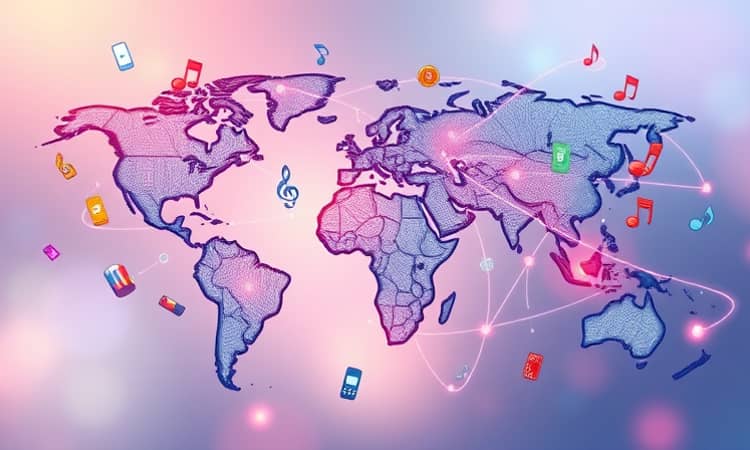
The rise of digital media has further amplified its reach, enabling instant access to cultural content worldwide.
Smartphones and the internet have turned local trends into global phenomena, making cultural strategies more impactful than ever.
Historically, cultural diplomacy predates the term soft power, with nations using arts to build bridges.
Today, this has transformed into strategic investments in industries that project national image and drive economic growth.
Measuring Soft Power Through Global Rankings
Despite its elusive nature, soft power is assessed using composite indices that incorporate various metrics.
These rankings provide insights into which countries are leading in cultural influence and why.
The United States often dominates due to Hollywood and global brands, but rising players like South Korea show the strategic value of cultural investments.
These indices highlight how cultural appeal translates into international standing, though direct causation remains debated.
Case Studies in Cultural Strategy
Examining specific countries reveals how cultural soft power is leveraged for economic gain.
Each case offers lessons on blending culture with commerce to enhance both influence and trade.
- United States: Hollywood films and music exports shape global perceptions unintentionally, driving significant trade in cultural goods.
- South Korea (Hallyu Wave): Government support since the 1990s spurred K-pop and dramas, boosting GDP and exports in related sectors.
- China: Active partnerships in film industries project positive images, linking cultural push to trade influence.
- Japan (Cool Japan): Promotion of anime and manga since 2002 exploits commercial value while enhancing soft power.
These strategies often start as tools for economic growth but evolve into powerful soft power assets.
They demonstrate how cultural sectors can become economic drivers with global reach.
Economic Mechanisms Linking Soft Power to Trade
Cultural soft power directly impacts global trade by increasing demand for exports and fostering favorable perceptions.
This creates a virtuous cycle where attraction leads to commercial opportunities.
Key mechanisms include the spillover effects into other industries.
- Hallyu boosts South Korean exports in cosmetics, tourism, and technology through fan economies.
- U.S. media dominance correlates with dollar hegemony and premium brand pricing in international markets.
- Investments in cultural industries add a huge impact on GDP, making them worthwhile even without proven causality.
Examples show how cultural appeal can ease market access and attract foreign direct investment.
This linkage underscores the dual role of culture as both a soft and hard power tool.
Challenges and Limitations in Implementation
While promising, leveraging soft power for trade comes with significant hurdles.
Its indirect effects and immeasurability pose risks for policymakers and investors.
- Difficulty in causally linking cultural exports to specific trade deals or diplomatic outcomes.
- Potential for backfire if cultural strategies are perceived as manipulative or inauthentic.
- Digital age complexities, where control over cultural narratives is often lost to viral trends.
These challenges highlight the need for nuanced approaches that balance ambition with realism.
Despite this, the economic benefits of cultural industries remain compelling for global engagement.
Conclusion and Practical Recommendations
Cultural economics reveals that soft power is not just about influence; it's a multiplier for trade and prosperity.
By investing in culture, nations can build attraction that translates into tangible economic gains.
Policy recommendations focus on sustainable strategies that align with national interests.
- Increase funding for cultural exports and digital content creation to enhance global visibility.
- Foster public-private partnerships to support entertainment industries while maintaining authenticity.
- Use soft power indices as benchmarks to track progress and adapt strategies over time.
- Integrate cultural diplomacy into trade negotiations to leverage appeal for commercial advantages.
- Encourage innovation in media to stay relevant in a fast-changing digital landscape.
Ultimately, embracing cultural soft power offers a path to a more connected and prosperous world.
It inspires us to see culture not as a luxury, but as a vital component of global economic strategy.