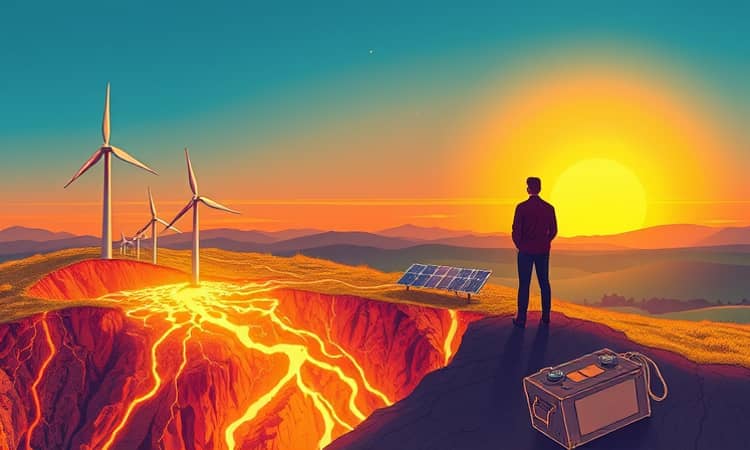
The global landscape is undergoing a profound transformation as societies strive to meet escalating energy, food, and technological demands. At the heart of this shift lies the scarcity of essential finite resources, driving price swings, supply chain risks, and geopolitical tensions. Investors who grasp these dynamics can unlock pathways to sustainable growth and meaningful impact. By aligning capital with strategic resource trends, we have the chance to shape a more resilient future.
Understanding Critical and Finite Resources
Resources deemed “critical” are non-fuel minerals and elements vital for energy technologies—production, transmission, storage, and conservation. Government agencies like the U.S. Department of Energy and the US Geological Survey maintain lists identifying dozens of such materials, including aluminum, cobalt, copper, dysprosium, and lithium. Each of these underpins innovations from electric vehicles to renewable energy infrastructure.
Finite resources extend beyond metals to include water, soil nutrients, and energy commodities. Estimates suggest copper reserves may last around forty years at current consumption, while geological resources extend that to two hundred years. Zinc reserves total roughly 230 million metric tons, but extraction rates and environmental constraints can shorten these horizons.
Six materials stand out as linchpins of the energy transition and technological evolution:
- Lithium for battery storage and grid applications
- Nickel to boost energy density in next-gen cells
- Cobalt for battery stability and longevity
- Graphite used extensively in battery anodes
- Neodymium in powerful magnets for wind turbines
- Copper for electrical wiring and renewable installations
The Mechanics of Scarcity: Drivers and Feedback Loops
Several converging forces accelerate resource scarcity. First, the energy transition demands a tenfold surge in minerals like lithium and nickel by 2040 to meet electric vehicle and battery storage targets. Second, global population is projected to reach nine billion by 2050, further straining water, food, and resource supplies.
Geopolitical concentration—such as China’s dominance in rare earth extraction—coupled with climate shocks, labor shortages, and policy uncertainty, can trigger short-term supply disruptions and volatility. Each disruption amplifies extraction efforts, deepening environmental degradation and reinforcing scarcity loops unless curtailed by innovation, regulation, or conservation.
Impacts of Scarcity
When demand outpaces supply, consequences ripple across multiple domains. The table below outlines key impact categories and their manifestations:
These impacts underscore the delicate balance between meeting global needs and preserving ecological and social systems. While scarcity can trigger crises, it also spurs innovation—from recycling breakthroughs to novel extraction methods—that redefine value chains.
Investment Opportunities: Strategies for High Returns
Scarcity-driven demand creates fertile ground for strategic capital deployment. Investors can pursue high potential returns in mining and adjacent technologies by focusing on the following approaches:
- Backing new mining projects or expansions targeting lithium, cobalt, nickel, graphite, and copper to bridge looming supply gaps
- Financing recycling and recovery technologies to reduce dependence on primary extraction
- Investing in geothermal energy, which offers baseload power with lower carbon footprints
- Supporting energy storage innovations, including advanced battery chemistries and grid management systems
Record investments in renewables, boosted by AI-driven infrastructure planning, signal a robust outlook through 2026 and beyond. By harnessing both upstream and downstream opportunities, portfolios can capture gains across the resource lifecycle.
Navigating Challenges and Risks
No venture is devoid of risk. Mining projects demand substantial capital, long lead times, and strict regulatory compliance. Environmental liabilities and community opposition can further delay development. Stakeholders must remain vigilant against reputational and geopolitical risks.
- Collaborate with policymakers to establish stable, transparent mining frameworks
- Partner with firms that adhere to rigorous environmental and social governance (ESG) standards
- Allocate resources to R&D in material substitution and recycling to future-proof investments
- Continuously monitor trade policies and geopolitical shifts affecting supply chains
By embedding risk mitigation into investment theses, portfolios can achieve resilience against market volatility while advancing sustainable practices.
Looking Ahead: Sustainable Solutions for a Secure Future
Long-term resource security hinges on systemic innovation and collaboration. Embracing circular economy models—where materials are reused, refurbished, and recycled—can decouple growth from depletion. Breakthroughs in electrochemical recycling and low-impact extraction techniques promise to reshape supply dynamics.
Supportive policy frameworks, including carbon pricing, direct subsidies for clean extraction, and research grants, will be critical. International coalitions on resource governance can reduce geopolitical friction, ensuring that vital minerals flow equitably to power a sustainable global economy.
Conclusion
We are entering a new era where the finite nature of critical resources will define market trajectories and global relations. Yet, within the challenge of scarcity lies opportunity. By integrating environmental and sustainability challenges into every investment decision, we can build portfolios that deliver robust returns and foster a resilient, equitable world. The window to act is now: capitalizing on scarcity today paves the way for a sustainable tomorrow.