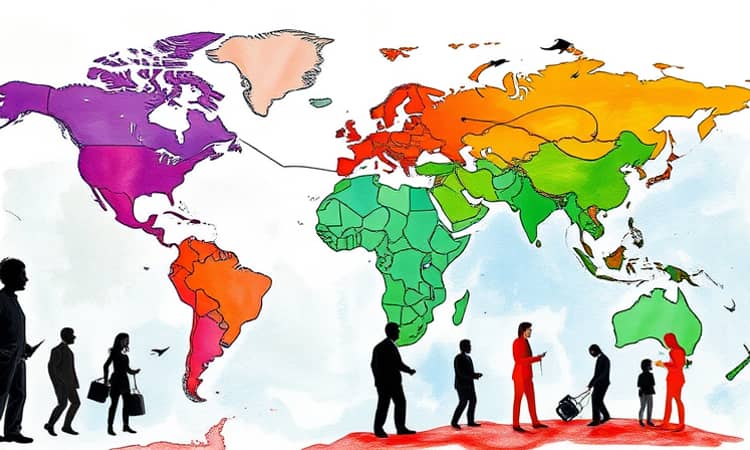
Global population dynamics are undergoing unprecedented changes that will reshape economies, societies, and opportunities. From **aging populations in developed nations** to burgeoning youth cohorts in the Global South, these shifts demand strategic responses.
A World of Contrasts: Aging and Youth
In one corner of the globe, nations face the profound implications of a growing share of citizens aged 60 and above. By 2050, this cohort will double to 2.1 billion people, imposing significant burdens on healthcare systems and labor markets. In another corner, regions in Africa and South Asia are experiencing **youth bulges driving rapid urbanization**, fueling economic potential but straining infrastructure.
These dual trends—demographic aging and youthful expansion—are not isolated phenomena. They interact through migration, global finance, and technological innovation. Understanding this interplay is **essential for sustainable growth and social cohesion**.
Global Population Trends and Projections
As of 2025, the world population stands at approximately 8.2 billion, having risen from 3 billion in 1960. Growth is projected to continue, reaching 9.7 billion by 2050, with nearly half the increase concentrated in nine countries: India, Nigeria, Pakistan, DR Congo, Ethiopia, Tanzania, Indonesia, Egypt, and the United States. At the same time, fertility rates are falling globally, plunging below replacement levels in many regions.
Density metrics highlight stark contrasts: 56 people per km² on average, with areas of Southern Asia housing over 25% of the global population on limited land. Eastern Asia and Northern America follow with 20% and 4.7% respectively, underscoring varied pressures on resources and infrastructure.
- Regional shares: APAC 59.3%, Africa 18.9%, Americas 12.8%, Europe 9.0%
- Largest age group globally: 10–14 years, signaling a slowdown in birth rates
- Countries declining >1% annually: 15, reflecting deepening demographic contraction
The Aging Challenge in Developed Nations
Developed economies grapple with **labor shortages and fiscal strain on public finances** as populations age. The IMF warns that without healthy aging reforms, global growth will decelerate markedly in the 21st century. In the United States, the share of residents aged 65 and over is expected to rise through 2036 before stabilizing, while those aged 25–54 peak in 2042 then dwindle.
Declining fertility compounds the issue. The U.S. fertility rate is projected to hover around 1.50 births per woman—well below the 2.1 replacement rate—through 2036. Europe faces similar trends, with several countries encountering population decline without substantial immigration inflows.
Youthful Populations: Opportunities Ahead
Conversely, high-growth regions in Africa and South Asia are witnessing **rapid urbanization and demographic dividends**. A growing workforce can fuel consumption, innovation, and economic expansion, provided adequate investments are made in education, health, and infrastructure.
India alone added 12.9 million people last year, a 0.89% increase, while Nigeria, Pakistan, and DR Congo also rank among the fastest-growing. These nations present vast markets for goods and services, as well as potential hubs for manufacturing and technology-driven industries.
- Invest in education and vocational training to harness human capital.
- Develop urban infrastructure to support burgeoning city populations.
- Foster inclusive policies that integrate youth into formal economies.
The United States Case Study
The U.S. population grew to 349 million in 2026, with growth rates declining from 0.3% annually in the coming decade to 0.1% by 2037–2056. Without immigration, the population will begin to shrink as deaths outnumber births.
Net migration remains a critical driver. The Congressional Budget Office projects average annual net immigration of 910,000 legal permanent residents between 2026 and 2056, supplemented by an additional 300,000 per year in temporary or undocumented flows. These inflows offset low fertility and help sustain workforce numbers.
Revisions to past projections reflect recent slowdowns: net immigration fell from 2.7 million in 2024 to 1.3 million in 2025. State-level adjustments have shifted, with slower growth in Florida but gains in New York. Continued policy focus on fair and efficient immigration processes will determine future demographic and economic resilience.
Strategies to Harness Demographic Shifts
Effective responses to demographic change must be multifaceted. Policymakers and business leaders can consider the following:
- Implement comprehensive healthy aging policies to extend workforce participation and reduce healthcare costs.
- Reform immigration frameworks to ensure balanced labor market replenishment and social integration.
- Channel investments into youth-heavy regions, prioritizing education, digital skills, and infrastructure to capture the demographic dividend.
Additionally, companies can leverage technology—such as telemedicine, robotics, and artificial intelligence—to address labor gaps in elder care and create new markets targeting older consumers.
Conclusion: Navigating the Demographic Tide
Global demographic shifts present both daunting challenges and unprecedented opportunities. Aging societies risk stagnation without proactive policies, while youthful populations can drive transformation if empowered with resources and rights. By aligning strategies across immigration, healthcare innovation, and targeted investments, stakeholders can shape a future that transcends the headlines—ensuring sustainable growth and social harmony in a rapidly changing world.