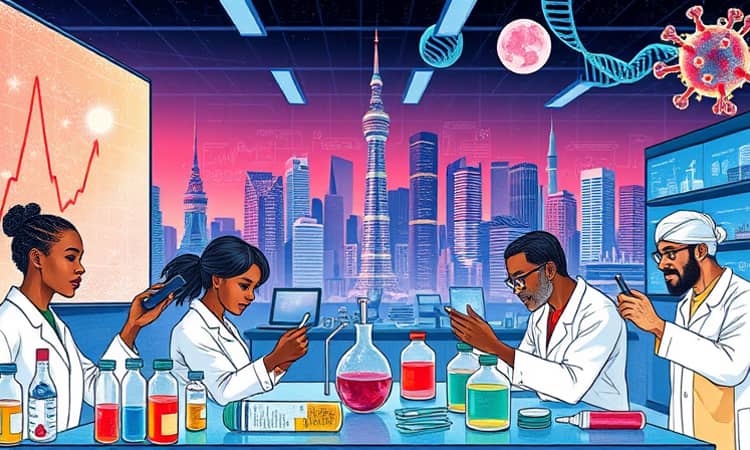
Biotechnology stands at the crossroads of science and society, reshaping our world through life-saving therapies and robust economic engines. From gene editing breakthroughs to new vaccines, this industry offers hope and prosperity on a global scale.
Expanding Horizons of a Global Market
The biotechnology sector is experiencing unprecedented global expansion, driven by aging populations, chronic diseases, and cutting-edge research. In 2025, the global biotech market is valued at USD 1.77 trillion, with forecasts climbing to USD 5.71 trillion by 2034—a compound annual growth rate (CAGR) of 13.9%. Alternative projections anticipate nearly USD 5.85 trillion by 2034 at a 13.6% CAGR, underscoring the industry’s robust momentum.
Subsector growth is especially notable in:
- Biopharmaceuticals and gene therapies targeting rare and chronic disorders.
- Synthetic biology and bioinformatics accelerating novel compound discovery.
- Agricultural biotech and environmental innovations addressing global sustainability.
Regional hubs amplify this growth. The United States leads with a market estimated at USD 316.4 billion in 2024, projected to exceed USD 1.03 trillion by 2034. Europe’s innovation clusters in the UK, Germany, and Switzerland join Asia’s emerging centers in China, Singapore, and India, each fostering breakthroughs and startups.
Empowering a New Generation of Professionals
Behind every breakthrough are millions of skilled professionals driving research, production, and commercialization. Worldwide employment in biotechnology reached 13.2 million, adding 740,000 new positions in a single year. In synthetic biology alone, over 145,900 specialists — including an extra 12,100 hires — power innovations across 2,800 companies.
In the United States, the sector supports 2.3 million direct jobs and nearly 8 million indirect roles, contributing USD 3.2 trillion in economic output. Biotech careers offer high-wage opportunities, often paying 50–100% above regional averages and requiring advanced STEM expertise.
- California’s life sciences ecosystem: 1.15 million jobs, USD 395.7 billion output.
- U.S. biotech employment rise of 79% over 20 years, compared with 8% for all sectors.
Capital and Collaboration: Fueling Innovation
Investment cycles in biotechnology reflect both exuberance and discipline. After a record USD 70.9 billion in venture funding in 2021, the industry entered a “new funding reality,” emphasizing clear clinical and commercial pathways. Public biotech revenues still grew 6.8% to USD 205 billion in 2024, showcasing enduring demand.
Major M&A transactions and partnerships have reshaped the landscape. Big pharma seeks scale in R&D and cutting-edge capabilities, especially in cell and gene therapies, AI-driven discovery, and data platforms. Regulatory reforms and pricing pressures further drive consolidation and strategic alliances.
Revolutionary Science: From Lab to Life
Scientific breakthroughs translate into lifesaving treatments and preventative measures that benefit millions. Emerging technologies promise faster responses to pandemics, personalized cures, and sustainable production methods.
mRNA Vaccines and Infectious Diseases
mRNA platforms, proven in COVID-19, now target influenza, RSV, HIV, and personalized cancer vaccines. These approaches offer rapid development cycles and scalable manufacturing, setting a new standard for future pandemics and seasonal immunizations.
Complementary innovations—vector-based, protein subunit, and DNA vaccines with novel adjuvants—expand defenses against TB, malaria, and neglected tropical diseases, ensuring global health equity.
Precision Medicine: Tailored Therapies
Precision medicine leverages genetic profiling and biomarkers to match treatments to individual patients. Over half of industry leaders consider personalized therapies their top opportunity for 2025. Immunotherapies, companion diagnostics, and pharmacogenomics are no longer aspirational—they are reshaping oncology, immunology, and rare disease care.
GLP-1 receptor agonists exemplify this trend. Initially approved for type 2 diabetes, they now address obesity—affecting one in eight people worldwide—and show promise against cardiovascular and neurodegenerative conditions. The GLP-1 market alone could reach USD 200 billion.
CRISPR and the Gene Editing Frontier
CRISPR-Cas systems enable precise DNA modifications to correct disease-causing mutations in sickle cell anemia, inherited retinal disorders, and more. Next-generation base editing and prime editing further enhance specificity and minimize off-target effects.
Ethical and policy debates around germline vs. somatic editing underscore the need for responsible governance and global collaboration, ensuring equitable access to curative therapies.
Cell and Gene Therapies: Regenerative Promise
Expanding approvals for CAR-T therapies, ex vivo and in vivo gene delivery, and regenerative medicine signal a new era of curative treatments. From spinal cord injury repair to beta-cell replacement in diabetes, these innovations aim to restore function, not just manage symptoms.
Manufacturing scale-up, supply chain resilience, and cost efficiencies remain challenges—but each breakthrough brings us closer to transformative cures for devastating diseases.
Charting the Path Forward
As biotechnology accelerates, individuals and organizations can contribute to this revolution:
- Students and professionals: pursue interdisciplinary training in biotech, data science, and regulatory affairs.
- Investors and policymakers: support startups with clear clinical milestones and responsible frameworks.
- Researchers and entrepreneurs: collaborate across borders to bridge lab discoveries and real-world applications.
By harnessing innovation responsibly, we can deliver lifesaving therapies, bolster economic resilience, and build a healthier, more prosperous future for all.