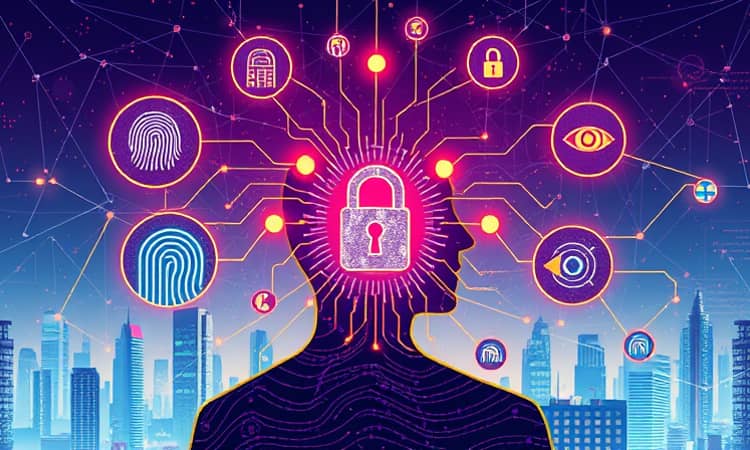
In an increasingly interconnected world, our identity has become both an asset and a target. With traditional passwords proving vulnerable and keycards subject to theft or duplication, biometric technologies offer a revolutionary alternative. They promise unparalleled access control convenience by transforming unique biological traits—fingerprints, iris patterns, facial geometry, and voice signatures—into the ultimate authentication keys.
As we move toward 2026, the global biometric technology market is set to exceed $21.4 billion, while physical security biometrics alone will approach $70 billion. These numbers reflect a profound shift: governments, businesses, healthcare providers, and critical infrastructure operators are embracing biometrics to secure assets, streamline processes, and guard against evolving threats.
The Rising Tide of Biometric Adoption
Biometric solutions are no longer confined to high-security environments. From smartphones and retail checkout lines to border control gates and hospital wings, these systems are redefining trust and convenience.
Major drivers of this expansion include:
- National ID programs and immigration checkpoints adopting continuous identity verification across borders.
- Corporate offices replacing keycards and fobs with facial and fingerprint authentication for employee access.
- Healthcare institutions integrating iris scans to reduce medical identity fraud and streamline patient records.
- Retailers deploying voice recognition and facial scanning to reduce queues and verify real customers.
Government agencies are also accelerating investments. Law enforcement, border patrol, and military installations leverage advanced scanners to secure critical assets and monitor unauthorized entries. Meanwhile, businesses large and small are harnessing biometrics to minimize fraud, improve user experience, and meet strict compliance mandates such as HIPAA and GDPR.
How Biometric Technologies Work
At their core, biometric systems capture unique physical or behavioral traits, convert them into digital templates, and compare live scans against stored records. Key modalities include:
- Fingerprint scanners—compact sensors reading ridge patterns for devices and door locks.
- Iris and retina scans—infrared imaging to map intricate eye features with high precision.
- Facial recognition—3D mapping and AI-driven comparison for touchless authentication.
- Voice recognition—analyzing vocal patterns to identify users over phone or smart speakers.
- Palm-vein and hand geometry—capturing subsurface vein structures or overall shape.
Once captured, templates undergo encryption and are stored in secure databases or on-device chips. Next-generation systems apply quantum-based encryption and post-quantum protocols to shield these sensitive files from future cyber threats.
Leading Innovators Shaping the Future
The race to secure identity has spawned a new wave of innovation. Established tech giants and specialized biometrics firms are collaborating to fuse quantum computing, artificial intelligence, and robust encryption.
The synergy between hardware innovation and software intelligence is setting new standards for speed, accuracy, and resilience. AI-driven liveness detection thwarts deepfakes, while integration of NFC and BLE enables mobile wallets to carry biometric credentials securely.
Opportunities and Benefits
Organizations and individuals stand to gain immensely from biometric adoption:
- Heightened security—unique traits are difficult to replicate or steal.
- Streamlined access—no more forgotten keycards or SIM-swappable tokens.
- Operational efficiency—faster check-ins at events, retail, and transit systems.
- Regulatory compliance—detailed logs support audits under GDPR and HIPAA.
Empirical studies show that biometric authentication can reduce unauthorized account access by over 90%. Retailers report a 30% decrease in queue times, while healthcare providers note fewer billing errors and identity fraud attempts.
Navigating Challenges and Risks
Despite its promise, biometric security faces significant hurdles. Data breaches targeting biometric databases have geopolitical implications, elevating tensions and demanding cross-border regulation. Privacy advocates warn against mass surveillance, as unchecked facial recognition in public spaces can undermine civil liberties.
Other challenges include:
- Deepfake and injection attacks—fraudsters using synthetic images or stolen templates.
- Standardization—varying protocols across countries complicate international travel and trade.
- Implementation gaps—airports and border agencies lag in deploying seamless systems.
To counter these threats, organizations are adopting Zero Trust Architecture, insisting on continuous verification and multi-modal authentication. They also engage in independent security assessments and adhere to emerging ISO and EU standards for biometric data handling.
Essential Strategies for Organizations
Leaders planning biometric integrations should consider the following:
- Invest in quantum-resistant encryption and AI-driven fraud defense.
- Prioritize privacy-first designs—store templates on-device where possible.
- Implement multi-factor frameworks combining biometrics with tokens or PINs.
- Engage stakeholders early—ensure legal, compliance, and user communities are aligned.
By adopting these best practices, businesses can unlock both security and convenience without compromising user trust or regulatory compliance.
A Glimpse into Tomorrow’s Biometric Landscape
Looking ahead to 2026 and beyond, biometrics will continue to evolve. Expect advancements such as:
- Integration with digital wallets and decentralized identity frameworks.
- Non-human entity IDs—certifying bots and AI services in cyberspace.
- Quantum-led encryption protocols becoming mainstream in cloud platforms.
- Expansion into education, smart cities, and automotive access.
As biometric systems mature, they will underpin a new era of secure digital trust, where identity verification is seamless, privacy is protected, and fraud becomes increasingly difficult.
Ultimately, your unique traits—fingerprint ridges, iris patterns, voice timbre—will serve not only as your authentication key but also as a testament to the progress of human ingenuity. Embracing biometric security today sets the stage for a safer, more efficient tomorrow—where your identity truly is your key.