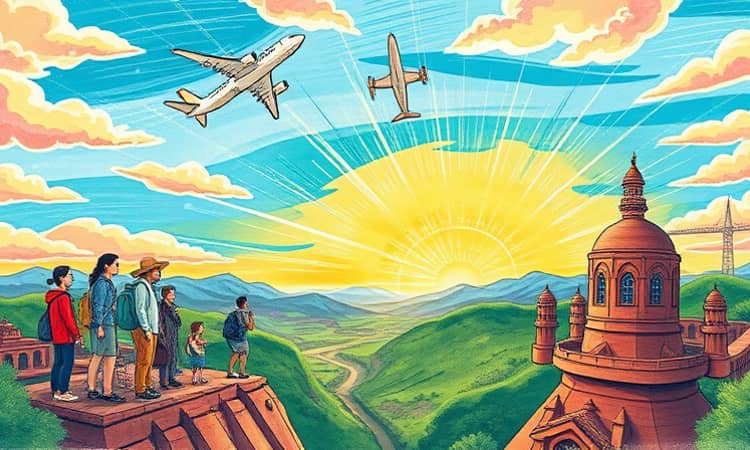
As we step into 2026, the travel landscape has transformed in ways few could have predicted. From the quiet streets of 2020 to today’s bustling airports and novel itineraries, the industry has not merely recovered; it has matured into a dynamic ecosystem driven by innovation, purpose, and wellness. Travelers and organizations alike are redefining priorities, seeking more than just destinations—they yearn for experiences that deliver value, connection, and positive impact on both people and the planet.
Evolution of Business Travel: Efficiency, Well-being, and Impact
Business travel in 2026 has shifted from the frantic pace of the former “road warrior” era to deliberate, ROI-focused journeys. Rather than multiple one-day hops, professionals embrace trip stacking for longer, efficient journeys, combining meetings across regions into cohesive multi-day experiences. This trend not only maximizes productivity but also addresses employee well-being by reducing jet lag and travel fatigue.
- Hybrid travel models with fewer, extended trips
- Emphasis on measurable return on investment
- Culture-building retreats growing 8–10% annually
- Integration of carbon budgets for each itinerary
Despite a slightly slower recovery in trip volume, inflation and higher service costs have propelled global business travel spending to an estimated $1.69–$1.7 trillion in 2026—surpassing the 2019 pre-pandemic peak of $1.43 trillion. Organizations are now partnering with vendors who provide detailed sustainability data, aligning travel policies with broader ESG commitments.
In the United States, inbound arrivals are expected to surge by 10.2% to 85 million in 2026, eclipsing the 2019 benchmark. This influx underscores a renewed global confidence in cross-border commerce, even as domestic business trips remain the cornerstone of corporate travel strategies.
The Rise of Wellness and Domestic Exploration
Wellness tourism has exploded into a trillion-dollar segment as travelers prioritize holistic health experiences. From specialized sleep programs to immersive yoga retreats and cutting-edge holistic biohacking and mental wellness workshops, today’s journeys extend far beyond traditional spa visits. Wellness operators are crafting multi-day itineraries that blend mindfulness, nutrition, and movement, catering to an audience eager for transformation.
- Wellness experiences expanding beyond spas and resorts
- Domestic travel projected to reach 70% of total by 2030
- Multi-destination, long-haul trips on the rise
- Mid-scale resorts challenged by deal-sensitive travelers
Domestic travel continues to benefit from a sense of regional discovery. As high-income segments grow more cautious, families and solo explorers delve deeper into local heritage sites and national parks. Meanwhile, luxury travelers craft multi-stop international adventures, combining business stops with leisure segments—a true embodiment of the “bleisure” phenomenon.
Technology, Sustainability, and the Traveler Experience
Technology has become the backbone of modern travel, enabling digitally empowered journeys from inspiration through booking and loyalty. AI-driven personalization suggests bespoke bleisure add-ons, while generative AI trip planning tools have tripled in adoption, now used by one in four travelers. These platforms analyze preferences, budgets, and sustainability goals to curate seamless itineraries.
Sustainability remains central: companies enforce carbon budgets within their travel programs, and leading suppliers publish real-time emissions data. Mobile apps now track environmental metrics alongside expense reports, ensuring travelers can balance cost efficiency with conscious choices. Online gross bookings are forecast to hit $1.2 trillion by the end of 2026—nearly 65% of global travel spend—underscoring the maturity of digital channels in driving both leisure and business bookings.
Charting the Future: Opportunities and Optimism
Looking ahead, international tourism is poised for steady 3–4% growth in 2026, contingent on Asia-Pacific recovery and global economic stability. The upcoming FIFA World Cup and other marquee events promise to further boost inbound visitation, while Gen Z and millennial travelers—empowered by remote work models—seek authentic, off-the-beaten-path experiences.
Corporations and destinations that can adapt to evolving traveler expectations and invest in sustainable, personalized offerings will thrive in this new era. From AI-driven loyalty programs to partnerships with wellness experts, the possibilities are boundless. By weaving together innovation, environmental responsibility, and deep cultural engagement, the travel industry can deliver sustainable and enriching travel experiences that resonate with a generation of conscientious explorers.
As we navigate the post-pandemic world, one truth stands clear: travel is no longer a series of isolated transactions but a transformative journey of discovery—for individuals, communities, and the planet. It’s time to embrace the new travel era with open hearts, curious minds, and a shared commitment to making every trip meaningful.