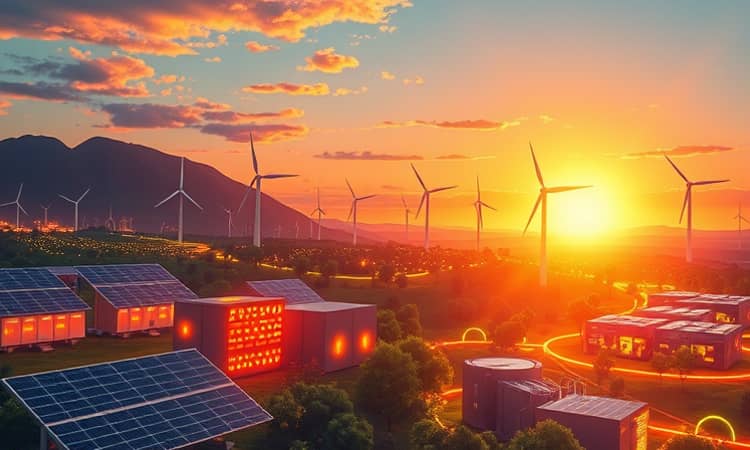
In 2026, investors and policymakers face a pivotal moment: to move from dazzling promises to real-world impact. This article explores how to back truly transformative solutions, weaving together insights from clean energy, AI integration, resilient infrastructure, and pragmatic finance.
Moving Beyond Breathless Predictions
The decade of lofty forecasts around green hydrogen and speculative moonshots has yielded mixed results. Early projects—once hyped as panaceas—have stalled amid technological, regulatory, and cost hurdles. Today, capital is targeting sustainable, scalable, cost-effective solutions that deliver tangible returns.
Investors now demand rigorous vetting: feasibility studies, pilot outcomes, and measurable environmental impact and resilience before deploying large sums. As one analyst noted, “The economics of cleantech has overtaken the politics.” This shift signals a new era focused on execution over empty promises.
AI and the Energy Challenge
The AI revolution is reshaping energy demand. Data center consumption is projected to climb by 130% by 2030, equivalent to adding India’s entire annual power use. Grids strained by surging AI loads risk blackouts, negative pricing episodes, and a resurgence of fossil backups.
- Renewables: Solar and wind growth at 17% in 2026
- Nuclear and geothermal: Baseload options for continuous power
- Efficiency measures: Advanced cooling for servers and modular designs
To prevent grid collapses, investors are funding hybrid power purchase agreements, battery storage, and demand-side management. This integrated energy ecosystem is essential to sustain AI-driven growth without compromising climate goals.
Investment Selectivity and Infrastructure Focus
Global clean energy investment now exceeds $2 trillion annually, yet the days of broad speculation are fading. Blended finance structures and public–private partnerships are underwriting projects with clear revenue streams and well-defined risk mitigation.
Investors concentrate on “energy enablers”: grid modernization software, thermal management systems, and large-scale battery capacity. These assets anchor the energy transition and promise more reliable returns than unproven technologies.
This table underscores the scale and diversity of today’s opportunities, while guiding investment toward projects that combine durability, scalability, and robust financial modeling.
Regional Dynamics and Resilience Investments
Asia commands center stage in the energy transition. China’s ambitious emissions pledge and solar leadership contrast with India’s rising role as a swing factor. Meanwhile, adaptation needs in flood-prone and drought-stricken regions are reshaping priorities.
- Water-tech innovations for agricultural resilience
- Fire and flood analytics platforms powered by AI
- Climate-smart crop and soil management solutions
“Climate tech’s next phase is being shaped as much by resilience needs as by emissions targets,” according to a leading report. Funding flows now follow where communities confront immediate physical risks, creating investable adaptation pathways that deliver both impact and returns.
Regulatory Pressures and Data Transparency
Stricter reporting mandates, such as the Corporate Sustainability Reporting Directive (CSRD) and Science-Based Targets initiative (SBTi) v2, are driving demand for high-fidelity Scope 3 data. Nearly 25% of firms already use AI to draft sustainability disclosures, with 39% planning adoption over the next two years.
Consistency and credibility are paramount. AI can accelerate reporting, but errors risk reputational damage. Companies investing in rigorous governance frameworks alongside advanced analytics will gain a competitive edge in securing capital.
Emerging Tech Enablers
Convergent innovations are unlocking new efficiencies. Modular clean-tech units, 6G network enhancements, and physical AI robotics are ramping up into multi-billion-dollar markets. By 2034, the physical AI segment alone is projected to reach $67.9 billion.
- Modular solar and wind installations for rapid deployment
- 6G-enabled energy management for industry and cities
- Robotic systems for precision agriculture and manufacturing
These enablers represent cross-sector synergies that can accelerate adoption rates and magnify environmental benefits.
Opportunities, Risks, and the Path Forward
Smart capital deployment now centers on proven infrastructure, adaptation tools, and data-driven governance. Key opportunities include virtual power plants, co-location facilities, and demand-response networks delivering stabilized returns.
Yet challenges persist. Grid strain from AI and data centers may force increased fossil peaker plants if storage scaling lags. Regulatory inconsistency in APAC, granular Scope 3 compliance burdens, and corporate net-zero gaps—38% of data center operators lack pledges—threaten to slow progress.
“Projects that can demonstrate viability, durability, and impact will enjoy a powerful advantage,” observed an investment strategist. By prioritizing pragmatic deployment pathways—and balancing mitigation with resilience—stakeholders can ensure that sustainable tech adoption transcends hype and becomes a cornerstone of global prosperity.
As the world teeters on a climate inflection point, the choice is clear: funnel resources into ventures with a proven track record and scalable real-world applications, rather than chasing speculative breakthroughs. This disciplined approach will underpin a robust, low-carbon future—one investment at a time.