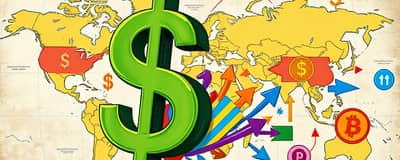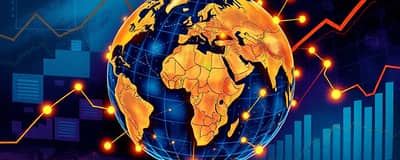
Gross Domestic Product (GDP) has long stood as the dominant yardstick of national prosperity, yet its focus on monetary flows obscures deeper truths about human welfare and environmental health. GDP measures only monetary transactions, ignoring the quality of life factors that forge resilient, thriving societies. Today’s leaders, activists, and citizens seek metrics that illuminate real well-being, equity, and sustainability. By understanding the core limits of GDP and embracing better indicators, we can craft policies rooted in humanity’s genuine needs.
Unveiling GDP's Hidden Flaws
At its core, GDP aggregates consumption, investment, government spending, and net exports, yet it fails to account for it overlooks personal well-being factors like leisure time, social cohesion, and environmental quality. A nation may post rising output while its citizens suffer chronic stress, polluted air, or fractured communities.
GDP also ignores deeply rooted inequality patterns, treating an economy’s expansion as uniform with no regard for wealth concentration. The top 1% can amass fortunes while the majority languishes in poverty, yet a higher GDP masks these divergent realities.
Moreover, GDP conflates harmful activities with growth. Military spending and pollution cleanup boost GDP as much as mosquito net distribution or renewable energy deployment, even though the long-term impacts on society and nature could be diametrically opposed.
A Legacy of Critique and Call to Action
Voices of dissent date back decades. In the 1960s, Robert F. Kennedy lamented that GDP measures “everything except that which makes life worthwhile.” This everything except what truly makes life worthwhile critique has echoed through United Nations discussions and the 2024 Pact for the Future, which urges member states to develop country-owned metrics alongside GDP under the 2030 Agenda.
Since 1970, global GDP has more than doubled, yet resource extraction has tripled, revealing an unsustainable trajectory. Reports like the UK’s 2016 Bean Report and the World Bank’s ‘Changing Wealth of Nations’ underscore the alarm: material growth alone cannot guarantee equitable, sustainable progress.
Exploring Alternative Metrics
Policymakers and scholars have proposed a suite of indicators that adjust or complement GDP, capturing society’s true wealth across economic, social, and environmental dimensions. These metrics prioritize equity, resilience, and future readiness over narrow financial aggregates.
Real-world Applications and Case Studies
Across continents, innovators have translated these frameworks into concrete policy shifts that foster equity and resilience.
- The city of Akron, Ohio, employs GPI data to reorient budget priorities toward education, health, and green infrastructure.
- Bhutan’s GNH model places happiness and ecological conservation at the heart of national planning.
- OECD member states reference the Better Life Index when drafting social welfare and urban development strategies.
- B Corps and benefit corporations embed social and environmental performance metrics into corporate governance.
These case studies demonstrate how cities and states pioneering new measures can craft more inclusive, sustainable futures for their citizens.
Overcoming Challenges on the Road Ahead
While promising, alternative metrics face hurdles of subjectivity, data availability, and international comparability. Different cultural contexts may prioritize distinct well-being dimensions, complicating a one-size-fits-all model.
Integrating new indicators with entrenched GDP-based systems demands political will and public education. Policymakers must balance transparency, technical rigor, and community engagement to subjectivity and data comparability hurdles effectively.
Embracing a Holistic Future
As we confront climate change, widening inequality, and digital transformation, the limitations of GDP become impossible to ignore. A multi-metric approach can illuminate pathways to resilience, guiding investments in human capital, ecosystems, and social cohesion.
By championing call for inclusive prosperity frameworks, citizens and leaders can foster policies that uplift every community, preserve natural systems, and nurture genuine well-being. The transition beyond GDP is not merely academic—it is a moral imperative to ensure a thriving planet for generations to come.