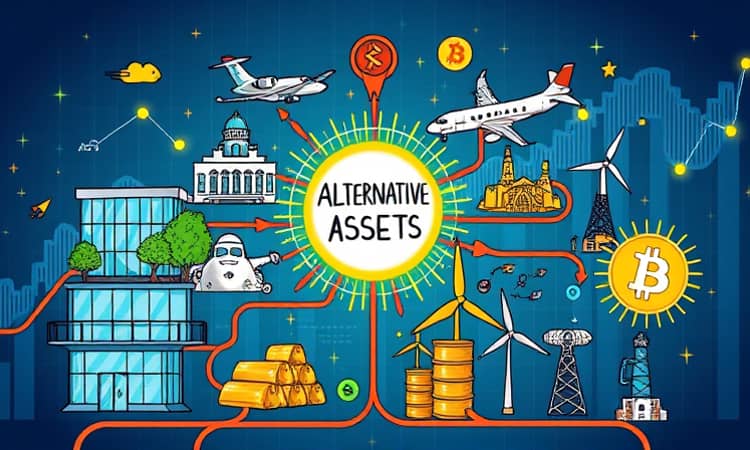
As traditional markets face rising correlations and increased volatility, investors are looking beyond publicly traded stocks and bonds to diversify, enhance returns, and protect against inflation. Alternative investments, once reserved for institutions and the ultra-wealthy, are now drawing broader interest. This article delves into definitions, market trends, asset types, benefits, risks, regulatory changes, and the future outlook for these dynamic opportunities.
Definition and Scope of Alternative Investments
Alternative investments encompass asset classes outside of publicly traded stocks and bonds, covering a wide spectrum from private equity and venture capital to digital assets and collectibles. These strategies often trade off liquidity for potential return enhancement and diversification.
- Private equity: acquiring nonpublic companies or taking buyout positions
- Venture capital: funding early-stage, high-growth startups
- Private credit: direct, nonbank lending to corporates or projects
- Real estate: direct holdings, REITs, or private funds
- Commodities: gold, oil, agriculture, and other raw materials
- Hedge funds: multi-strategy pooled vehicles
- Infrastructure: transport, energy, and utility projects
- Digital assets: cryptocurrencies, tokens, and DeFi protocols
- Collectibles and art: paintings, fine wine, and rare items
Market Size and Growth Trends
Global alternatives’ assets under management surged from $7 trillion in 2014 to $18 trillion by 2024. Projections foresee this total climbing to $29–30 trillion by the early 2030s. In 2024 alone, US nontraditional equity and alternative funds attracted $92 billion in net inflows, with momentum likely to continue into 2025.
The private credit market exceeded $1.5 trillion in AUM in 2024 and is set to reach $2.6 trillion by 2029. Institutional allocations to alternatives hover near 25%, while retail participation grows due to regulatory expansions and innovative fund structures.
Key Drivers and Motivations
Several powerful forces are propelling alternative investments into the mainstream:
- Diversification benefits with lower correlation than traditional assets
- Enhanced return potential, with private equity delivering 10–13% net annualized gains versus 6–7% for public equities
- Inflation hedging through commodities and real assets
- Portfolio resilience amid market uncertainties
- Access to innovative sectors like digital assets and renewable infrastructure
Types of Alternative Investments
Each category offers distinct characteristics, risks, and return profiles. The table below highlights key features and major trends:
Benefits, Risks, and Challenges
Alternative investments offer higher long-term return potential and portfolio diversification that public markets often cannot match. Income-oriented strategies, such as real estate rentals and private credit, provide steady cash flows. Commodities and infrastructure can protect against inflationary pressures.
However, these advantages come with trade-offs:
- Illiquidity: extended holding periods limit timely exits
- Operational complexity: extensive due diligence and specialized expertise required
- Valuation challenges: subjective and infrequent pricing updates
- Cost structure: higher fee models in hedge funds and private equity
- Regulatory and transparency hurdles: varying oversight levels across jurisdictions
Regulatory Shifts and Industry Innovation
Recent regulatory reforms have broadened access to alternatives. Expanded definitions of accredited investors, incorporating professional expertise alongside net worth, enable more individuals to participate. Interval funds and closed-end vehicles now allow retail investors to access private credit and real estate with lower minimums.
Technology is another game-changer. Technology-driven investment platforms streamline subscription, reporting, and secondary trading. Blockchain-based structures are emerging to tokenize real assets, promising fractional ownership and improved liquidity in traditionally illiquid markets.
Outlook for 2025 and Beyond
As macroeconomic uncertainty persists—driven by inflation dynamics, geopolitical tension, and rapid technological disruption—the appeal of diversified, nontraditional assets will only intensify. Institutional and retail investors alike are constructing tailored portfolios that integrate alternatives, with 77% of advisors now recommending them as core holdings.
Future growth will be shaped by sustainability and ESG priorities. Infrastructure projects supporting the energy transition and green real estate developments are expected to attract substantial capital. Private credit strategies may evolve to finance climate-friendly technologies, while venture capital continues funding breakthroughs in biotech, AI, and clean energy.
Investors willing to navigate complexity, embrace longer horizons, and leverage expert guidance stand to benefit from a more resilient, opportunity-rich portfolio. By looking beyond equities, they can position themselves at the forefront of innovation and enduring value creation.