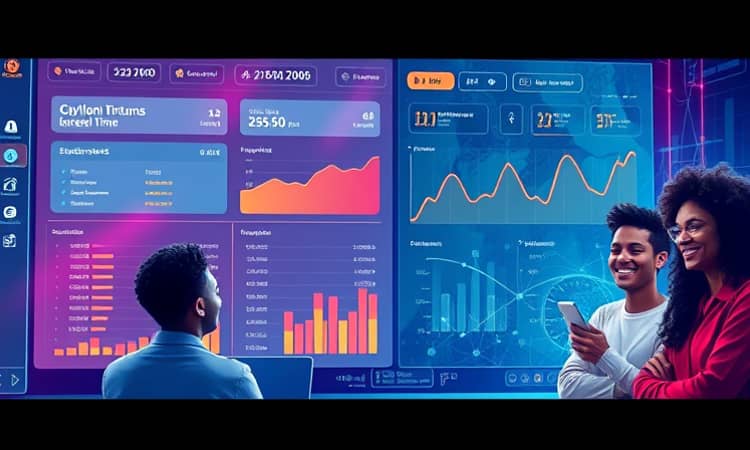
In a rapidly evolving global economy, traditional lending models struggle to keep pace with market shifts and customer needs. Adaptive lending, powered by artificial intelligence and continuous data analysis, emerges as the next frontier. It transforms loans from static agreements into living financial services that evolve in real time.
Understanding Adaptive Lending
Adaptive lending represents a fundamental shift in financial services. Unlike conventional loans that lock borrowers into fixed terms, adaptive loans adjust conditions dynamically. This approach treats loans as on-demand evolving services, constantly recalibrated based on real-time data and borrower behavior.
Where traditional mortgages require lengthy refinancing to change interest rates or repayment schedules, adaptive products can modify their parameters instantly. By interpreting new information—such as cash flow shifts, market indicators, or borrower risk profiles—these loans offer unmatched flexibility.
How Adaptive Lending Works
The core mechanics of adaptive lending rest on three pillars: data ingestion, continuous learning, and automated decisioning.
- Historical and real-time data intelligence: Systems ingest structured and alternative data, from credit histories to social signals.
- Continuous risk assessment processes: Machine learning models are retrained with every transaction, improving accuracy over time.
- Automated yet explainable approvals: AI-driven decision engines deliver rapid approvals while providing transparent rationale.
For example, a small business facing seasonal downturns might see its interest rate lowered automatically when revenues dip, then restored when sales recover. Pre-calculated variations—such as multiple loan durations and amounts—ensure swift deployment, especially crucial during emergencies or post-disaster scenarios.
Key Advantages Over Traditional Lending
Adaptive lending brings a suite of benefits that traditional models cannot match.
- Speed and Efficiency: Approvals shrink from weeks to mere minutes or days, reducing operational costs by up to 30%.
- Risk Management: Continuous monitoring enables early detection of potential defaults, minimizing losses.
- Inclusivity: Alternative data integration expands credit access to underserved populations lacking traditional collateral.
By embracing dynamic pricing algorithms, lenders can adjust interest rates to reflect changing market conditions. Instead of strict debt-to-capital thresholds, adaptive systems evaluate real-world cash flows and behavioral signals, offering credit to qualified borrowers who would otherwise be denied.
Real-World Use Cases
Adaptive lending has proven its value across diverse scenarios:
- Post-disaster relief: Rapid small business loans with pre-approved variations for amount and tenor.
- Climate resilience financing: Tailored products supporting communities facing environmental hazards.
- Small enterprise growth: Flexible lines of credit adjusting as revenue fluctuates.
In each case, the ability to deploy funds quickly and adjust terms in response to evolving needs can determine whether businesses survive or thrive.
Comparing Models: Adaptive vs. Traditional
To illustrate the transformation, consider the table below.
Building the Supporting Infrastructure
Implementing adaptive lending demands robust operational support. Lenders must redesign product development processes, integrate decisioning engines across legacy systems, and establish managed services for compliance and performance monitoring.
Key infrastructure components include:
- Data pipelines that merge internal and external data streams.
- Scalable machine learning platforms for model training and deployment.
- Explainability frameworks ensuring transparent, auditable decisions.
By investing in these foundations, institutions can maintain continuous improvement, adapting in lockstep with evolving market dynamics and regulatory landscapes.
Future Outlook and Strategic Positioning
As competition intensifies, lenders relying on static, rule-based systems risk obsolescence. Organizations that adopt adaptive lending gain:
- Operational agility to respond to sudden market shifts.
- Enhanced customer loyalty through personalized, proactive service.
- Sustainable growth fueled by data-driven confidence.
Adaptive financing will play a pivotal role in broadening financial inclusion, empowering small businesses, and enabling communities to navigate uncertainties—from economic fluctuations to climate challenges.
Conclusion
Adaptive lending is more than a technological innovation; it embodies a new philosophy. By treating loans as living services, financial institutions can deliver responsive, inclusive products that evolve alongside their customers. In a changing world, this flexibility is not just advantageous—it is essential for resilience and growth.